Let's talk about the slowdown
You used to get there in five minutes. Now it takes twenty. Your body hasn't forgotten how to respond. It's just taking a longer route to the same place. And that shift, though frustrating, is completely normal.
Hormonal changes slow arousal. This happens after major shifts like weaning, hormonal birth control changes, perimenopause, or even the stress-driven hormone crashes that happen after grief or illness. The mechanism is simple: without the same levels of estrogen and testosterone flowing through your system, the vascular response in your clitoris takes longer to ramp up. Blood flow arrives more gradually. Sensation builds in increments instead of a rush.
Most people treat this as a problem to solve. I treat it as information that tells you something useful about what your body needs right now.
Why timing matters more than you think
Here's what nobody says out loud: the real friction isn't physiological. It's psychological. When arousal takes longer, partners get impatient. You get self-conscious. The pressure to "get there" on the old timeline kicks in, and tension kills arousal even faster. You end up chasing a response that's already slower, now with a soundtrack of internal criticism playing underneath.
When you're working with a partner, this dynamic compounds. They might assume they're doing something wrong. You might assume your body is broken. Neither is true. You both just need to adjust expectations and tools.
This is where lemon clitoral vibrators shift the whole equation.
How lemon vibrators compress the timeline without rushing
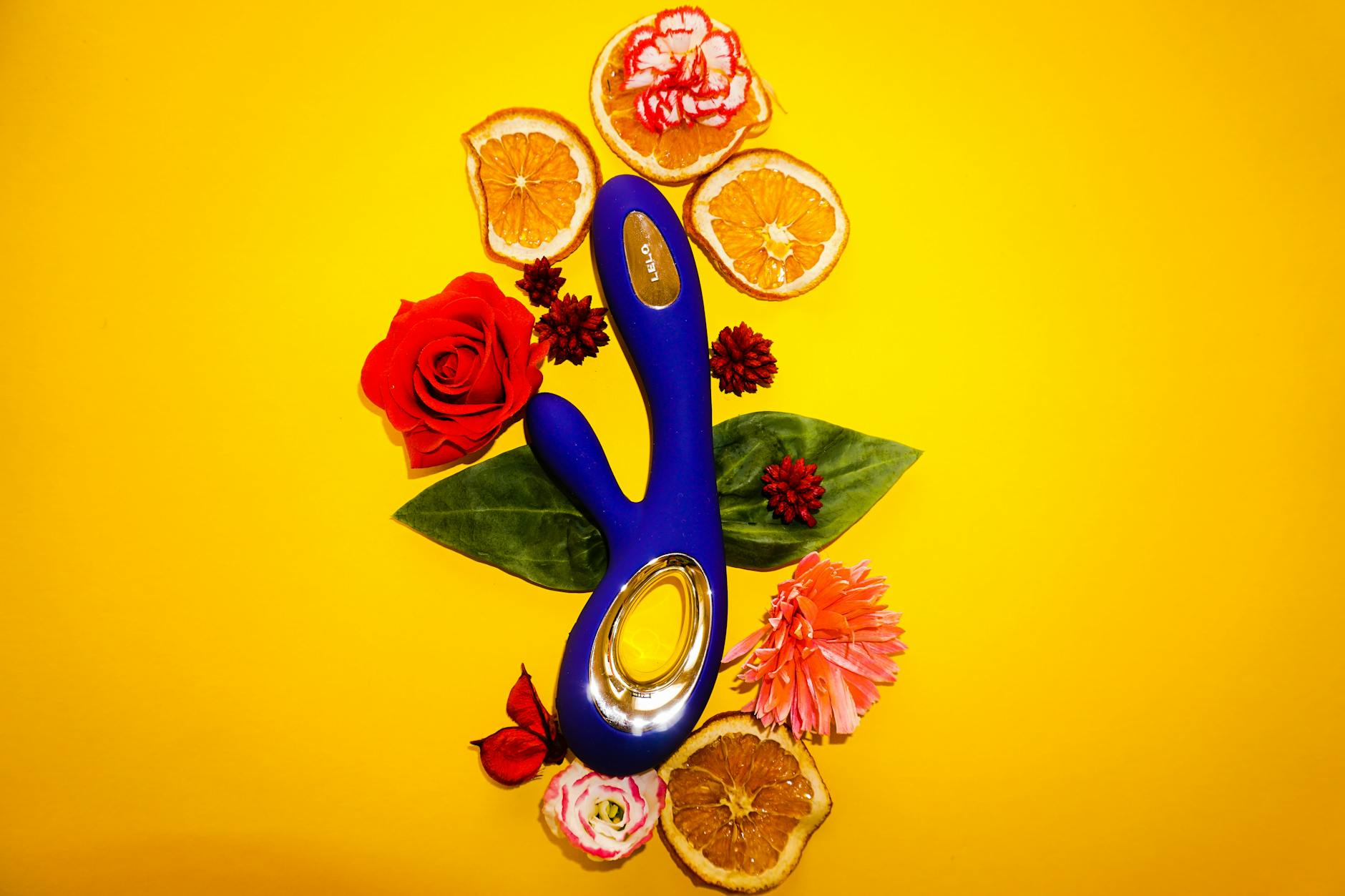
Lemon adult toys work differently than traditional vibrators. Instead of relying on vibration frequency alone, they use air-suction stimulation. This matters hugely when arousal is slow.
Vibration requires your nervous system to already be somewhat primed. It's adding stimulation on top of a foundation that's already building. When that foundation is slower to establish, vibration can feel less effective because you're working against your body's actual readiness curve.
Suction, by contrast, works on a different mechanism entirely. It engages tissue and nerve endings through gentle pressure and release cycles. This can feel satisfying and intense even when your baseline arousal hasn't fully peaked yet. The stimulation itself helps build arousal rather than waiting for arousal to build before stimulation matters.
Translated: a lemon vibrator helps close the gap between your slower biological response and the mental impatience that usually shows up with it.
The practical setup that actually works
Here's what I recommend to clients navigating slower arousal:
Start a full 10 to 15 minutes earlier than you think you need to. Not because you're broken, but because you're working with biological reality instead of against it. Use a water-based lubricant from the beginning, even if your body is producing its own lubrication. The extra glide helps the suction sensation feel better and means you're not relying entirely on your own natural lubrication to do all the work.
Begin on the lower intensity settings on your lemon clitoral vibrator. Pattern 1 or 2. The goal here isn't climax yet. It's permission. You're telling your body and your nervous system that pleasure is the plan for the next 20 minutes. You're removing the pressure to perform on the old timeline.
Many people find that by the time they've spent five or ten minutes with a Lem vibrator on a low setting, arousal has actually caught up. The suction sensation itself pulls blood to the area. Arousal builds. And now you're working with your body instead of waiting for it to catch up to an artificial deadline.
Why your partner's patience becomes the real tool
If you're with someone, the single biggest variable isn't the vibrator. It's their willingness to slow down and reframe this as exploration rather than destination-focused sex.
This is actually worth a separate conversation. Not "my body is slower now" but "I've realized I like longer foreplay. Let's plan for that." The reframe matters. One sounds like a problem. The other sounds like a preference. Same content, completely different emotional context.
Your partner can help by understanding that the extra time isn't a waste or a failure. It's actually a feature. Slower arousal often means deeper arousal. You're not just chasing a response. You're building genuine hunger. That's worth time.
When you introduce a lemon sexual toy into this dynamic, frame it the same way. Not "I can't come without this," but "I want to explore this together and see what feels best." Those two sentences mean the same thing, but one shuts down conversation and the other opens it.
The hormonal piece you might be missing
If arousal has gotten dramatically slower in a short window, hormones are almost certainly part of it, but they might not be the whole story.
Stress flattens arousal. Depression flattens arousal. Relationship disconnection flattens arousal. Unresolved conflict flattens arousal. Hormones create the biological condition, but these psychological factors can deepen it substantially.
Before assuming you need hormone therapy (which, by the way, is a totally valid option and worth discussing with a provider), sit with the actual timeline. Did this shift happen around a specific life event? A medication change? A relationship rupture? A period of high stress?
If you can point to a moment, that's useful information. It means you're not looking at a permanent rewiring. You're looking at a temporary recalibration. A lemon clitoral vibrator still helps, but so does addressing the actual underlying thing.
What changes when you stop fighting it
Here's what happens when people accept slower arousal instead of treating it as a failure: they actually enjoy sex more.
I know that sounds counterintuitive. But when you remove the pressure to hit an arbitrary timeline, you notice texture. You notice what actually feels good versus what you thought should feel good. You can breathe. Your partner can relax. The entire experience transforms from "can we get there?" to "what's this?."
Lemon vibrators support this shift because they're inherently slower-paced tools. They're not designed for rapid climax. They're designed for sustained, building pleasure. That matches the pace your body is already asking for.
When to check in with a provider
If arousal has slowed AND desire has completely disappeared, that's worth a doctor visit. Low desire can be hormonal, yes. It can also be thyroid issues, blood pressure medication side effects, depression, or relationship problems wearing you down.
If arousal is slow but desire is still there, and you're generally healthy, this is usually just a biological adjustment. A lemon sexual toy plus patience usually gets you where you need to be.
If slowness is accompanied by pain, numbness, or tissue changes, you're looking at something that might need medical attention. That's not a vibrator problem. That's a "talk to your gynecologist" problem.
The reframe that changes everything
Your body isn't slower. It's more intentional. That sounds like a platitude until you actually live it. But when you stop white-knuckling through arousal and instead work with the pace your body is setting, something shifts. Sex becomes less like a performance metric and more like actual intimacy.
A lemon vibrator is just a tool that helps make that shift easier. But the real work is mental. It's deciding that your pleasure timeline is valid, even if it's different than it used to be. It's telling your partner that this is what you need now. It's giving yourself permission to take 20 minutes instead of five.
That's where the real pleasure lives.
Frequently asked questions
Why does arousal slow down after hormonal changes?
Estrogen and testosterone both affect blood flow to genital tissue and the nervous system's sensitivity to stimulation. When these hormones drop or fluctuate, it takes longer for blood to accumulate in your clitoris and for your nervous system to register and amplify sensation. This isn't dysfunction. It's a biological response to a chemical shift. The pathway to arousal hasn't disappeared. It's just longer.
Can lemon clitoral vibrators actually speed up slow arousal?
They can make the journey feel shorter and more satisfying, which is often the real win. Because suction-based stimulation engages differently than vibration alone, many people find they feel more present and less frustrated during the arousal phase. Whether arousal literally happens faster depends on your individual physiology, but the experience of arousal usually improves significantly.
How long should foreplay be when arousal is slow?
There's no universal number, but budget 15 to 25 minutes of actual stimulation before expecting climax. This gives your body time to catch up to your mind. Many people find that once they stop watching the clock and actually settle in, arousal builds faster than they expected. The pressure to rush is often what slows things down most.
Does using a lemon sexual toy make arousal slower to build without it?
No. Your body doesn't "get dependent" on vibrators in the way some people worry. What happens is you find a tool that works better with your current physiology, so you use it and enjoy sex more. That's not a problem. That's resourcefulness. You're not creating dependency. You're meeting your body where it actually is.
Should I tell my partner about slower arousal before it becomes a problem?
Absolutely. The conversation is so much easier when you're not already frustrated mid-sex. It's even easier if you frame it as curiosity instead of complaint. "I've noticed I like longer foreplay now" is easier to hear than "my body isn't working right anymore." Same truth, different framing.
What if my partner gets impatient during longer arousal?
That's a separate relationship issue that a vibrator won't solve. A lemon vibrator is a tool. It can help you enjoy your own arousal more, but it can't fix a partner who resents the time your body needs. That conversation requires you both to be willing to adjust expectations. If they won't, that tells you something important about the partnership.