Let's talk about what hormonal shifts actually do
Here's the thing nobody explains clearly: your hormones don't turn pleasure off. They turn the dial. And sometimes that dial lands in a place that feels better than before.
When estrogen fluctuates, your tissues change. The vaginal and clitoral tissue becomes thinner and less elastic. Lubrication shifts. Blood flow patterns change, which means arousal takes longer to build and might feel different when it arrives. Testosterone (yes, people with vulvas produce it) often drops, which can affect baseline desire. The pelvic floor loses some of the muscular support estrogen used to provide, which sometimes changes how orgasms feel. Smaller, sometimes more localized. Sometimes weirdly more intense.
But here's what doesn't change, and this matters: your nerve endings don't disappear. Your brain's capacity for pleasure doesn't vanish. Your ability to orgasm stays intact. The neural pathways that create arousal are still there.
Why lemon vibrators work differently during hormonal transitions
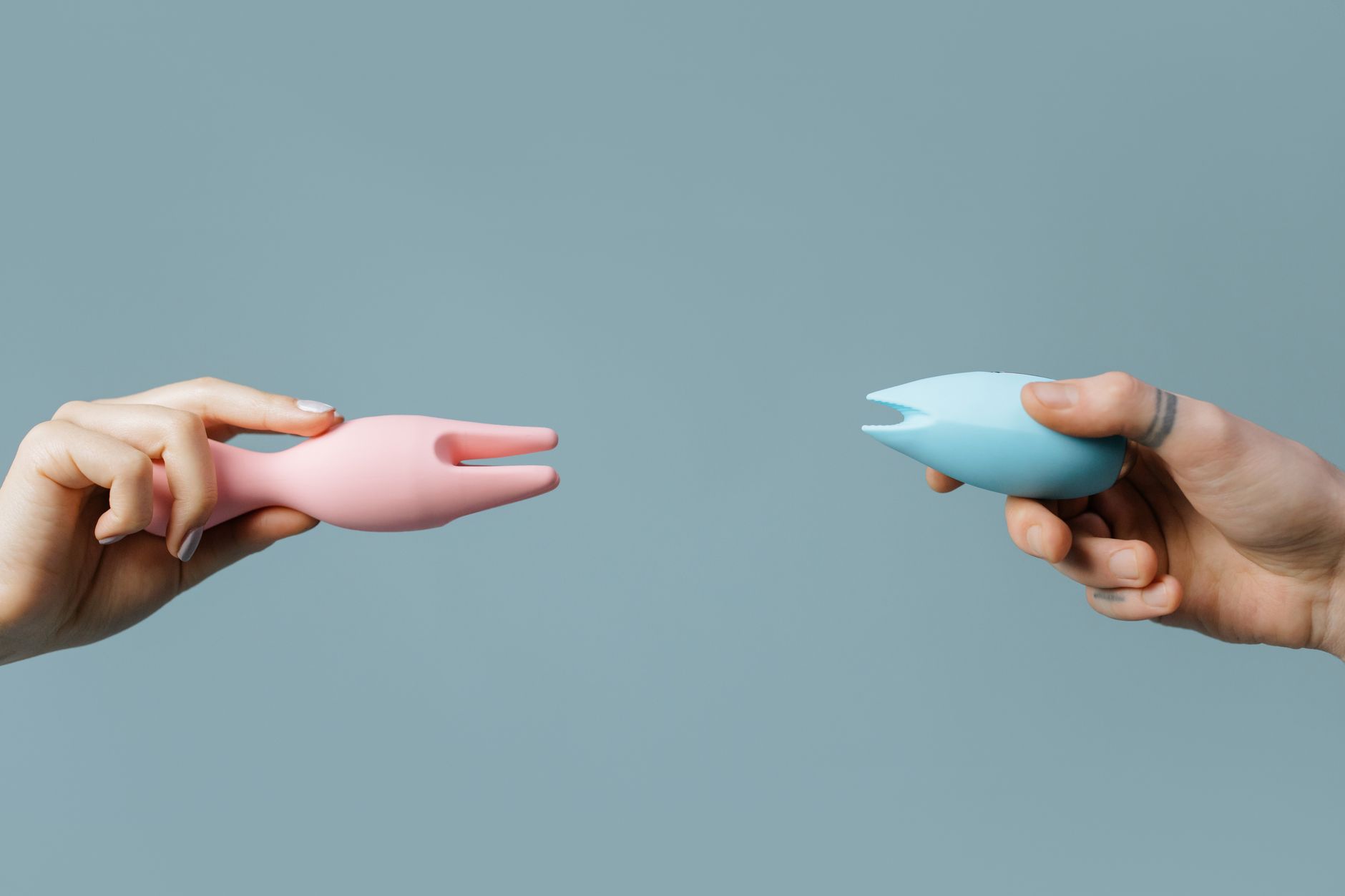
Lemon clitoral vibrators, especially air-suction devices like the lemon lem vibrator, work in a specific way that adapts well to a changing body. Instead of direct friction (which can feel too intense on thinner or more sensitive tissue), they create a gentle suction pattern that stimulates the complex nerve network around the clitoris without mechanical pressure.
During hormonal transitions, this matters. A lot.
When tissue is thinner, direct vibration can feel sharp or almost painful. The lemon lem vibrator's suction approach bypasses that problem entirely. It stimulates deeper, more resilient nerve clusters while avoiding the surface-level irritation that sometimes comes with traditional vibration. You're getting intensity without friction. Pleasure without the mechanical wear.
Most of my clients report that their most satisfying orgasms during hormonal transitions come from lemon vibrators, specifically suction-based ones. This isn't random. The design works with your body's actual structure, not against it.
How to adjust your technique as your body changes
Three foundational shifts that make a real difference:
Start lower and go slower. Arousal takes longer to build during hormonal transitions. Budget 20 to 30 minutes instead of your usual routine. This isn't a loss. It's actually an invitation to pay closer attention to what's happening in your body instead of rushing to the finish line. When you use lemon clitoral vibrators, begin on the lowest suction setting and let your body gradually wake up. You can always turn it up. You can't undo intensity that arrived too fast.
Use water-based lubricant, even if you don't usually. Thinner tissue benefits from it, full stop. Not because you're broken, but because friction matters more when you have less cushioning. Water-based lube works seamlessly with all silicone toys, including the lem vibrator. Apply generously and reapply as needed. The right lube transforms the experience from uncomfortable to genuinely pleasurable.
Pelvic floor awareness becomes your friend. During hormonal transitions, the pelvic floor gets tense and stays that way. Kegels help, but the opposite matters too. Learning to fully relax your pelvic floor is where the real magic happens. Before using your lemon vibrator, spend two minutes consciously softening that area. Breathe into it. Release the grip. This single change often doubles the intensity of sensation.
What's actually changing in your arousal pattern
Longer warm-up time isn't a sign something's wrong. It's a sign your body needs permission to shift gears before pleasure can build. During hormonal transitions, the brain's involvement in arousal increases. Physical stimulation alone doesn't cut it the way it used to. You need mental clarity, emotional safety, and permission to slow down. This is why lemon sexual toys work so well during this phase. They demand attention. They can't be rushed. They invite focus.
Many people also notice that orgasms feel different. Sometimes shallower. Sometimes weirdly more concentrated in a specific area. Sometimes completely different from anything they've experienced before. The instinct is to panic and assume you've lost something. You haven't. Your body has just reorganized where sensation lives. Using lemon clitoral vibrators gives you the chance to map that new geography with curiosity instead of frustration.
When to reach out for professional support
If sex is painful, don't wait it out. Genitourinary syndrome (the clinical term for the tissue and lubrication changes that happen during hormonal transitions) is real and highly treatable. Topical estrogen creams work fast. So do certain therapies and treatments designed specifically for this. A gynecologist or healthcare provider trained in sexual health can change everything in weeks.
If desire has completely disappeared and you've ruled out medications, stress, and relationship issues, it's worth discussing testosterone therapy with your doctor. It's available and often life-changing for the right person. You don't have to white-knuckle your way through this.
The emotional piece that changes everything
Hormonal transitions often arrive alongside other midlife shifts. Career changes. Relationship evolution. Identity questions. Grief. The instinct is to assume any pleasure changes are purely physical. Sometimes they're something else wearing a hormonal disguise.
If you're navigating this with a partner, the most valuable thing you can do is separate two conversations. "My body is responding differently to stimulation" is a different topic than "I want us to reconnect." Confusing them turns both into dead ends. One is about physiology. One is about desire and emotional safety. They need separate attention.
Using lemon vibrators during this phase can actually help both conversations. It resets the physical experience. It introduces novelty that creates space for emotional reconnection. It removes the pressure to perform in a certain way. Many of my clients find that adding lemon sexual toys to their routine is the gentle reset their intimacy needed.
Rebuilding confidence with the right tools
Hormonal transitions shake confidence. Your body feels unfamiliar. Pleasure feels unpredictable. The instinct is to avoid sex altogether until things settle down. That's actually the opposite of what helps.
Using lemon clitoral vibrators during this phase does something psychologically important. It resets your relationship with pleasure on your own terms. You're not waiting for your body to "go back to normal." You're discovering what pleasure looks like right now. You're building confidence based on present experience, not past comparison.
Most people find that exploring solo first, with a lemon lem vibrator, makes partnered sex feel less fraught. You already know what works. You already know what to expect. You can show your partner instead of hoping they guess. That's powerful.
Your body isn't broken. It's reorganizing. And sometimes what comes next is better than what came before.
The timing that actually matters
Hormonal transitions don't have a set endpoint. They're a process. Your body changes gradually, your comfort level adjusts, and what worked last month might need tweaking next month. This is why lemon vibrators (especially ones with multiple settings like the lem) are so valuable. You're not locked into one way of using them. You're adapting as you go.
Pay attention to patterns. Notice what settings feel best, what time of day works, whether you need more warm-up time, whether lube amount changes your experience. This isn't overthinking. This is self-knowledge. And it's the fastest way to rebuild pleasure during a body transition.
FAQ: Lemon Vibrators and Hormonal Transitions
Can you still have good orgasms during hormonal transitions?
Completely. Yes. Many people report their best orgasms ever come during major hormonal shifts, especially when they use the right tools. The orgasms might feel different. They might arrive differently. But the capacity for intense pleasure doesn't go anywhere. Lemon clitoral vibrators often unlock sensations people didn't know were possible.
How long does it take to adjust to using lemon vibrators during hormonal changes?
Most people notice a difference within one to three uses. Your body adjusts faster than you'd expect, especially because the suction approach of devices like the lem vibrator works with your existing physiology rather than against it. Give yourself at least a week of regular exploration before deciding if something works.
Should you use lube with lemon sexual toys during hormonal transitions?
Yes. Even if you didn't need it before. Thinner tissue benefits dramatically from lubrication, and water-based lube is safe with all silicone devices. It transforms the experience from potentially uncomfortable to genuinely pleasurable.
Do lemon vibrators feel different on thinner tissue?
Sometimes better, actually. The suction approach means there's less direct friction on delicate tissue. You get intensity and sensation without the mechanical pressure that can feel sharp or irritating. That's why many people prefer air-suction devices like lemon clitoral vibrators specifically during hormonal transitions.
Is it normal for arousal to take longer during hormonal shifts?
Completely normal. Expected, even. Your brain's involvement in arousal increases, so mental clarity, emotional safety, and permission to slow down all matter more. This isn't a failure. It's a shift. And it often leads to deeper, more intentional pleasure.
What if nothing feels good anymore during hormonal transitions?
Talk to your doctor. Pain during sex, complete absence of sensation, or total loss of interest can all indicate something worth addressing medically. Topical treatments, therapies, and other options exist. You don't have to accept a completely shut-down body as inevitable. Most issues are treatable and can shift in weeks.