
What clitoral numbness actually is
Let's get specific: clitoral numbness isn't one thing. It's the feeling that stimulation isn't registering the way it used to, or that you need increasingly intense input to feel anything at all. Some people describe it as muted, others as a disconnect between their mind and body. The clinical term is reduced sensation, but what matters is how it feels to you. And for most people, it feels like pleasure is slowly switching off.
Here's the thing that nobody tells you: numbness is your nervous system's way of saying something needs attention. Not something is broken. Something needs a different approach.
Why clitoral sensitivity disappears
Three major causes show up in my practice consistently.
Desensitization from repetitive stimulation. If you've been using the same toy with the same pressure for years, your nerve endings adapt. Your brain gets bored. The clitoris has about 8,000 nerve endings, and they're incredibly smart. They learn patterns. Once they know what's coming, they stop paying attention. This is especially common if you've relied on traditional vibrators with aggressive, uniform buzz.
Hormonal changes that thin tissue. Dropping estrogen (whether from age, hormonal birth control, medication, or stress) makes the clitoral glans and hood thinner and less reactive. Less blood flow means less engorgement. Less engorgement means less sensation. This is pure physiology, not psychology.
Chronic stress and nervous system dysregulation. When your sympathetic nervous system (fight-or-flight) is running the show, your parasympathetic nervous system (rest-and-pleasure) checks out. Cortisol literally suppresses sensation. A year of high stress, grief, or hypervigilance can muffle pleasure signals until they feel nearly silent.
Often it's a combination. You've been using the same toy for five years, your hormones shifted slightly, and you've been grinding through a demanding season. That's three reasons your clitoris stopped talking back.
Why standard vibrators make it worse
Most vibrators use linear oscillation or buzzing. They're fast, repetitive, and uniform. For someone already dealing with numbness, this is the worst possible stimulus. Your nervous system has already adapted to that pattern. Throwing more of it at the problem is like turning up the volume on a radio station you stopped listening to years ago. It doesn't make the music clearer. It just gets louder and more annoying.
What you need is sensation that's novel. Unpredictable. Capable of engaging different nerve pathways.
That's where suction-based stimulation changes the game.
How suction wakes sensation back up
Suction works differently than vibration. Instead of oscillating against the clitoris, it creates gentle pressure changes that engage the entire clitoral structure, not just the surface. The sensation is more dynamic, less predictable, and it recruits nerve pathways that standard vibrators don't touch.
When you use a Lemon vibrator, the suction pattern creates a rhythm that feels novel to your nervous system. Your brain pays attention. Sensation that felt muted suddenly registers again. People often describe it as "I forgot what pleasure felt like and now I remember."
The suction also gently engages tissue in a way that increases blood flow without the aggressive friction of traditional vibrators. More blood flow equals more nerve activation. It's why clitoral vibrators based on suction technology consistently outperform standard designs for people dealing with numbness.
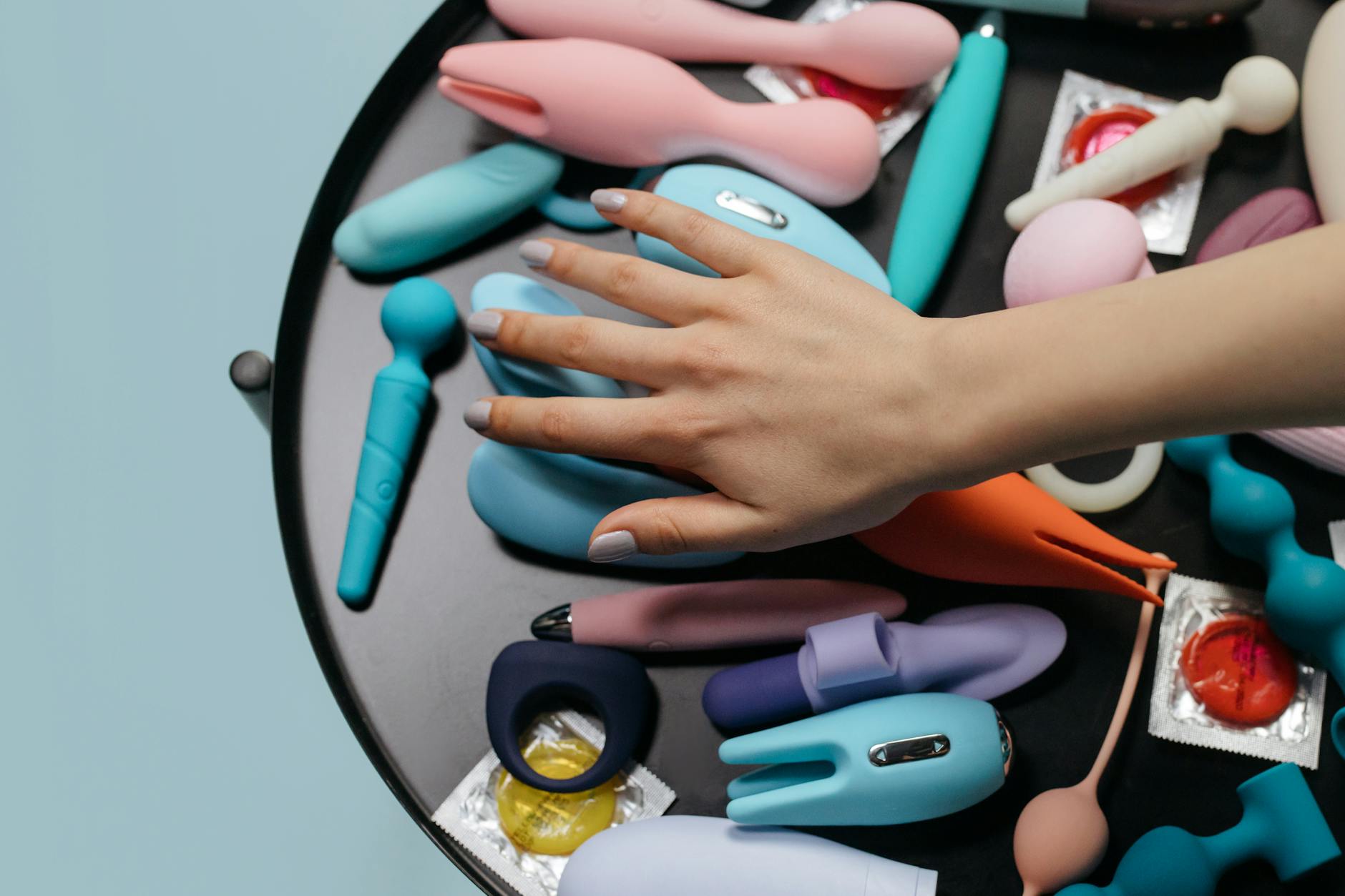 Photo by cottonbro studio on Pexels
The protocol that actually works
If you're coming back from numbness, here's what I recommend.
Start with pattern 1 and stay there for at least five sessions. Don't jump to higher intensities. Your nervous system needs to remember what subtle stimulation feels like. This usually takes 20-30 minutes per session. Set a timer. Make it a non-goal activity. You're not trying to orgasm. You're trying to wake up sensation.
Use a water-based lubricant even if you don't think you need it. The glide reduces friction resistance and lets the suction work more effectively. It also signals to your nervous system that you're prioritizing pleasure, which sounds soft but genuinely shifts your parasympathetic tone.
Create absolute privacy and zero time pressure. If there's even a possibility someone will interrupt, numbness deepens. Your nervous system knows. Shut the door, silence your phone, and give yourself permission to spend 45 minutes on this with zero expectation of outcome. The pressure to orgasm is often the thing killing sensation in the first place.
Switch patterns strategically. Once sensation starts returning (usually week 2-3), play with moving between patterns 2, 3, and 4. The novelty of switching keeps your nervous system engaged. Don't stay in one pattern more than 10 minutes before moving.
When to reintroduce partnered touch
This matters because many people try to fix numbness with a partner present, and it usually backfires. If your nervous system is dysregulated, adding the pressure of someone else's expectations just makes it worse.
Wait until you're consistently feeling sensation during solo sessions before bringing a partner in. Once you've had three or four orgasms where you felt genuine pleasure (not just mechanical response), then you're ready.
When you do reintroduce partnered touch, start with your partner using a Lemon vibrator on you while you stay passive. This removes the performance pressure. They can follow the same protocol: lower intensity, longer sessions, pattern switching. Many couples report this is actually when they reconnect most deeply because you're both focused on genuine sensation instead of checking boxes.
Why clitoral vibrators designed for suction matter more here
A regular vibrator won't solve this. The stimulus is too familiar. Your nervous system knows the pattern. A Lemon vibrator specifically uses suction pulses that are inherently more unpredictable than standard vibration. It's not about being stronger. It's about being different in a way that wakes your nervous system back up.
If you've been numb for a while, you might be skeptical that anything will help. I get it. But numbness isn't permanent. It's an adaptation. And adaptations can shift with the right stimulus. The fact that sensation dulled in the first place proves your nervous system is responsive. It just needs to be re-engaged the right way.
 Photo by Ihsan Adityawarman on Pexels
What to avoid while rebuilding
Don't use porn as a sensitivity tool. If your clitoris is numb, visual stimulation won't fix it. It might distract you temporarily, but it won't rewire sensation. Solo sessions work better when you're actually feeling your body, not watching someone else's.
Don't jump to higher intensities because "nothing's happening." The slowness is the point. Numbness took weeks or months to develop. Rebuilding sensation takes weeks. There's no fast track.
Don't shame yourself for needing a different tool. If standard vibrators stopped working, it's not because you're broken. It's because you've evolved beyond that stimulus. A Lemon vibrator isn't a consolation prize. It's a more sophisticated choice.
How long until sensation returns
This varies wildly. Some people feel noticeable improvement in week two. Others take four weeks. A few people need eight to twelve weeks of consistent practice. The timeline depends on how long you've been numb, your stress levels, hormonal status, and how much you actually practice.
Consistency matters more than intensity. Three or four 30-minute sessions per week beats one two-hour marathon. You're retraining your nervous system, and nervous systems respond to regular, gentle practice, not heroic effort.
Most of my clients report that once sensation starts returning, it accelerates. That first moment when you feel something you thought was gone is often the breakthrough that shifts everything. You remember that pleasure is still in there. It just needed the right approach.
FAQ
What's the difference between numbness and low desire?
Numbness is about sensation. You can want sex but feel nothing when it's happening. Low desire is about interest. You don't want sex in the first place. They often happen together, but they're separate problems. This article is about sensation. If desire is the issue, that's a different conversation. Many people find that once sensation returns, desire follows naturally.
Can clitoral numbness be a medical issue?
Yes. Nerve damage from trauma or surgery, unmanaged diabetes, and certain medications can cause lasting numbness. If this is new and sudden, see a doctor. If it developed slowly over years, it's usually adaptation rather than damage. But the rule is: if you're unsure, get checked. Once you've ruled out medical causes, the nervous system retraining approach in this article usually works.
Do I need to use a Lemon vibrator specifically, or will any clitoral vibrator work?
Any clitoral vibrator with suction design can help, but most people find air-pulse technology more effective than standard vibration for numbness. The Lemon vibrator is built specifically for this. But the core principle is novelty: use something different from what your nervous system has adapted to. If you've been using a bullet for five years, switch to something with broader stimulation patterns.
How do I know if I'm making progress?
Start by tracking sessions. Week one: nothing. Week two: maybe a slight tingle. Week three: definite sensation but not pleasure yet. Week four to six: actual pleasure returns. The progression is usually sensation first, then arousal, then orgasm. If you're seeing any of those steps, you're making progress even if it feels slow.
What if sensation returns but orgasm doesn't?
Orgasm is a separate skill from sensation. Once sensation is back, many people need to relearn how to actually come. This is where partnered exploration helps, or sometimes where sex therapy becomes valuable. Sensation restoration is the foundation. Everything else builds from there.
Is this really going to work if I've been numb for years?
Yes, honestly. I've seen people regain full sensation after five or seven years of numbness using this approach. Your nervous system is plastic. It adapted away from sensation. It can adapt back toward it. The key is consistency and patience. You're not forcing anything. You're inviting your body to wake up again.
The return to pleasure is possible
Clitoral numbness feels like a permanent loss. It isn't. Sensation is recoverable. What works is a tool that engages your nervous system differently than it's adapted to, combined with the time and space to actually feel again. A Lemon vibrator, paired with the protocol described here, gives you both. The rest is just patience and showing up for your own pleasure. You deserve that. And your body remembers how to feel it.