Let's start with the honest part
Breakups end relationships. They also end a whole sensory language you've been speaking for years. After a long partnership, your body is used to someone else's touch, timing, pressure, preferences. Solo pleasure can feel weirdly foreign. Not broken. Just unfamiliar.
Here's what I see in my practice over and over: people who spent a decade building intimacy with a partner often feel like they're starting from zero sexually when that person leaves. That's partly true. But it's also an opportunity to learn something crucial you might have missed while coupled: what actually gets you off when no one else's needs are in the room.
Why the transition feels harder than you'd expect
Three things happen at once. Your nervous system misses the physical presence of another person. Your brain has to recalibrate what pleasure looks like without that familiar rhythm. And there's often a weird psychological fog: guilt, loss, or just the strangeness of your own body feeling like it belongs only to you again.
Add the time factor. If the relationship lasted years, your sexual muscle memory is tuned to one person's body, one style of touch. That doesn't vanish overnight. When you're alone, you might find yourself waiting for a partner's move that never comes, or you might freeze up because the permission structure has shifted.
That's completely normal. And it's worth naming because a lot of people don't, and then they spiral into "I must be broken" when really they're just adjusting.
The first thing to do: slow way down
After a relationship ends, there's often pressure to either swear off sex entirely or jump back in aggressively to prove you're fine. Neither works. What works is treating solo pleasure like you're learning it for the first time, because honestly, you kind of are.
Start with touch that has no destination. No goal of orgasm, no checklist. Spend time noticing your body without expecting it to perform. Where do you like to be touched? What pressure feels good? Does your sensitivity shift depending on where you are in your cycle, what time of day it is, what you've eaten that day? These are questions you might have never asked yourself if you had a standing sexual rhythm with a partner.
This takes patience. But it's also where the real confidence rebuild happens. You're gathering data about yourself.
Why lemon clitoral vibrators work particularly well here
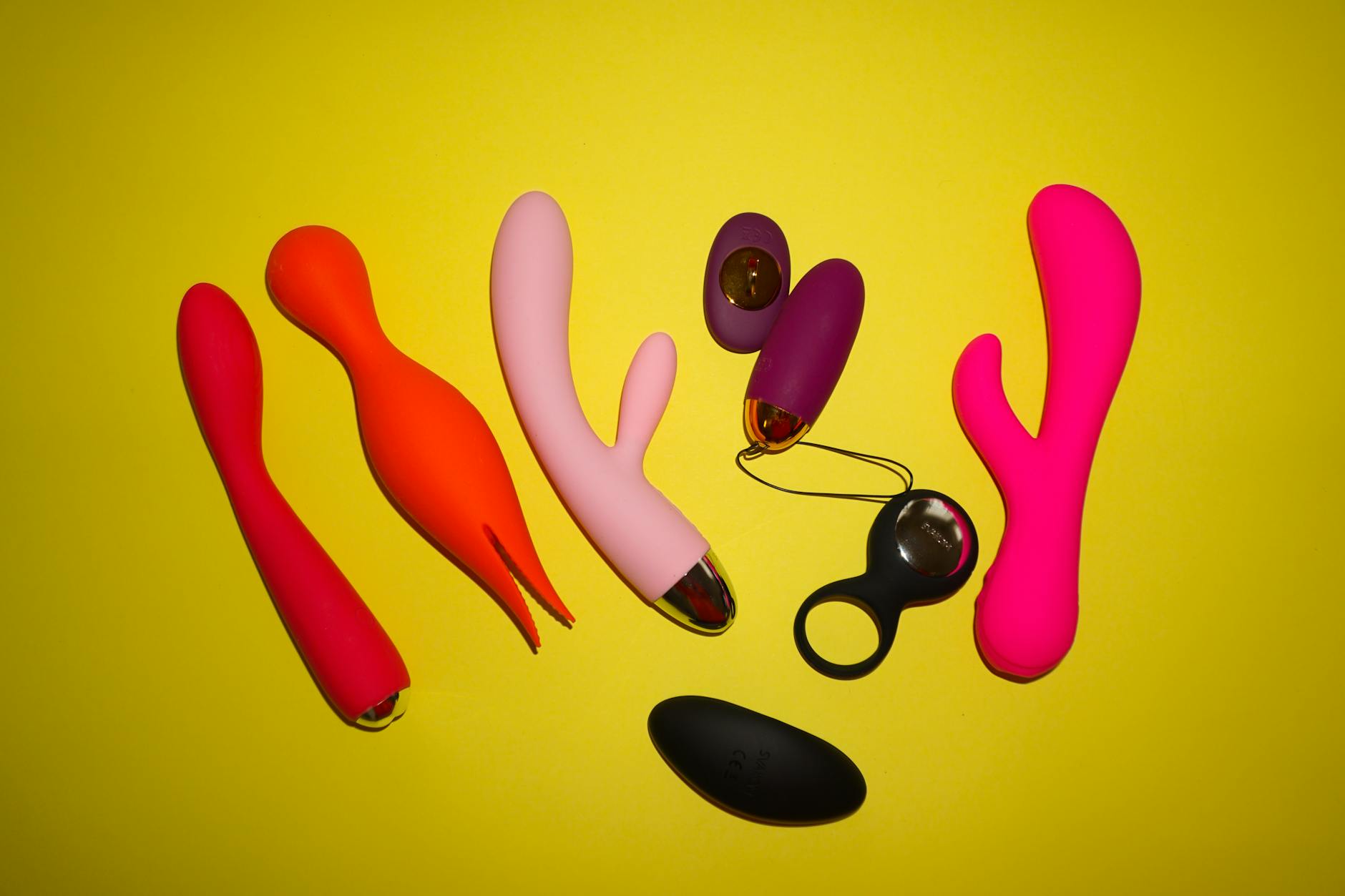
Clitoral vibrators like the ones from Lemon Vibrator let you explore sensation without the pressure of matching someone else's rhythm. There's no coordination, no reading another body. You're just tuning into what your own clit responds to.
The suction design is especially helpful during this phase. It mimics a gentler sensation than traditional vibration, which means you can start low and explore what intensity actually feels good to you, not what you thought should feel good or what your ex preferred. The point is discovery, not performance.
Start at a lower setting. Warm up for longer than you think you need to. Most people rebuilding confidence after a long relationship find that their arousal takes longer to build than it did when partnered. That's not a failure. It's just nervous system recalibration.
The emotional part nobody talks about
Let's be real: solo pleasure after a breakup can bring up grief. Your body remembers being touched by someone you loved. Sometimes using a vibrator feels like closure. Sometimes it feels like a betrayal of that relationship. Sometimes it's a strange mix of both.
That's okay. You don't have to process those feelings through sex. Some people find that a few weeks of solo exploration without any goal of orgasm actually helps them settle into their own body before pleasure gets involved. Others jump straight to vibrator use and find it grounding. There's no right timeline.
What matters is knowing that if you're crying or feeling weird emotions while exploring solo, that's not a sign you shouldn't be doing it. It's often a sign that you're reconnecting with your own pleasure after a period of centering someone else's. That reconnection comes with feelings. Let them exist.
Building back to full-body sensation
Once you've spent some time with basic clitoral exploration, you can start expanding. What about other parts of your body? Do you like your breasts touched? Your inner thighs? Does anal play interest you, or is that something you want to keep off the menu?
You might discover preferences you never knew you had because you were busy accommodating a partner's timing. You might realize you actually like longer foreplay than you thought, or that you prefer quicker escalation. You might find that your orgasms are different now. Maybe more intense. Maybe quieter. Maybe you come faster or slower than you did before.
That variation is actually a sign things are working. Your body isn't a static thing. It changes with stress, hormones, age, relationship status. The sexual person you are right now is not the person you were while partnered, and that's not a step backward.
When to bring another person back in (if you want to)
There's no timeline for this. Some people feel ready to date again in months. Others take years. The work of rediscovering your own pleasure doesn't have an expiration date, and starting solo exploration doesn't obligate you to ever share your body with anyone again if that's what you decide.
But if you do want to eventually invite someone else in, having spent real time with solo pleasure is actually your advantage. You know what you like. You know what rhythm works for your body. You can ask for what you want instead of defaulting to a dynamic you learned with someone else.
This is where clarity matters. When you eventually date again, you're not comparing new partners to your ex or trying to recreate what you had. You're building something actually new, from a place of knowing your own body first.
The confidence piece: it's not about the toy
Here's what I want you to know. A vibrator from Lemon Vibrator isn't what rebuilds your confidence. Your confidence rebuilds when you decide that your pleasure matters enough to explore it, without an audience, without a goal, just for the sake of feeling good in your own body.
The toy is just a tool. It makes some sensations easier to access. It gives you something to focus on while your brain does the harder work of settling back into your own body. But the real confidence comes from you showing up for yourself.
After years of partnered sex, that's genuinely radical. You're saying: my pleasure is worth my time. My body is worth learning. My wants matter even when no one else is watching. That's not vain. It's actually the foundation for any good partnership you build later.
What to expect in those first months
You might feel awkward. Your solo sessions might feel short or unsatisfying at first. You might have times when you can't come, and that's fine. You might feel guilty for enjoying it, and that's fine too. You might discover that you actually prefer solo pleasure to partnered sex, and that's absolutely valid.
Some people find that using a lemon clitoral vibrator feels immediately right. Others take time to warm up to it. There's no way this "should" go. The only metric that matters is whether you're learning something about what feels good to you.
If you're a few months in and you're feeling stuck, consider talking to a therapist who specializes in sexuality. Not because something's wrong, but because sometimes having a space to process the emotional stuff that comes up with physical pleasure helps accelerate the reconnection. The relationship is over. Your body belongs to you again. That's not always an easy thing to internalize after years of sharing it.
One more thing
Rebuilding sexual confidence after a long relationship doesn't mean you're moving on from that person or denying what you shared. It means you're claiming the part of yourself that was always yours: your capacity for pleasure, your physical autonomy, your right to feel good in your own body. That was true while you were partnered. It's true now. You're just remembering how to access it without someone else in the room.
Take your time. Be curious. And be kind to yourself when it feels weird.