The thing nobody mentions about arousal timing
Your body doesn't turn on like a light switch. For some people it does, and that's fine. For most of us, especially as we age or after major life events, arousal builds gradually. You might notice it takes 15 minutes instead of 5, or 30 minutes instead of 15. That's not broken. It's actually common, and it's navigable.
The problem isn't the slower timeline. The problem is expecting the old timeline and then panicking when it doesn't show up. That panic kills arousal faster than anything else.
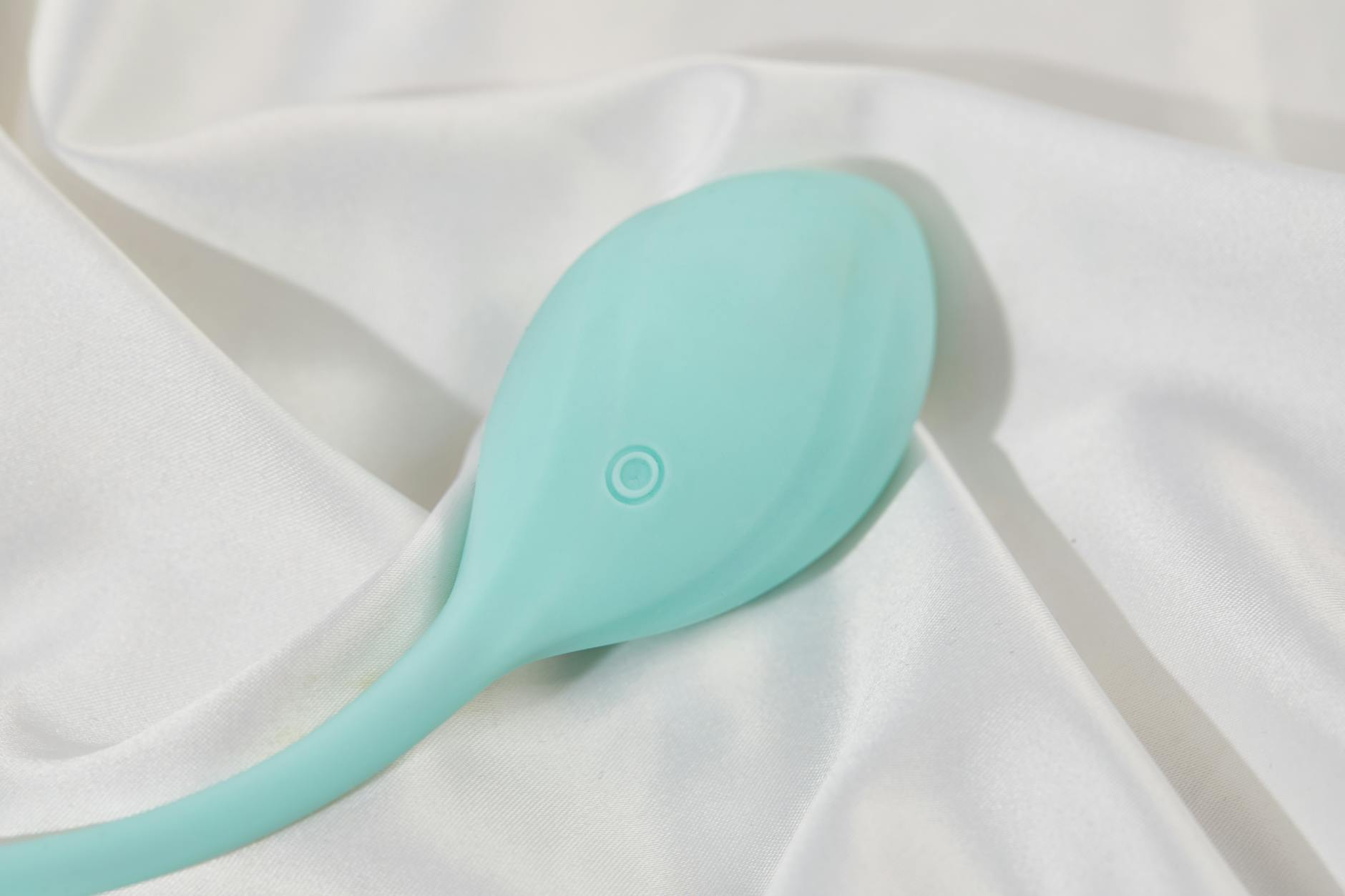
Lemon clitoral vibrators, specifically the kind that use suction rather than straight vibration, work beautifully with extended warm-up time because they're designed to build sensation gradually. You're not fighting your body's pace. You're working with it.
Why arousal slows down (and it's not always what you think)
There are at least seven reasons arousal might take longer now than it used to. Some are physiological, some are psychological, most are both.
Hormonal shifts. Estrogen and testosterone both affect how quickly blood flows to the genitals and how responsive nerve endings become. After 35, these hormones naturally become less abundant. After 45, the change gets sharper. This is not a defect.
Medication changes. Antidepressants, blood pressure meds, and antihistamines can all slow arousal. That doesn't mean you stop taking them. It means you adjust your approach.
Relationship comfort. If you've been with the same partner for years, the novelty-driven surge of arousal often softens. Your nervous system knows them. That's calming and also less exciting. Both things are true.
Mental load. Stress, work deadlines, family stuff, unresolved arguments, even just scrolling your phone five minutes before sex. Your brain is your biggest sex organ, and it gets distracted easier now than it did at 22.
Less frequent sex. If you've had a gap, your body literally needs a recalibration period. It's like returning to exercise after time off. The capacity is still there. The ramp-up just takes longer.
Thyroid or metabolic changes. Worth checking if arousal dropped suddenly alongside fatigue or mood changes. A simple blood test can confirm.
It's just how you're built. Some people have always taken longer to arouse. They just hid it earlier because society pressures people with vulvas to perform readiness. Now you might finally have permission to stop pretending.
The warm-up protocol that actually works
Here's what I recommend to almost every person I work with who's noticed arousal taking longer.
Step 1: Separate the warm-up from the main event.
Don't expect arousal to happen during sex. Expect it to happen before sex. This sounds obvious but most people still try to get turned on by the thing they're hoping will turn them on. That's backward.
Spend 10 to 25 minutes on warm-up alone. Solo or with a partner. No goal. No pressure for it to lead anywhere. Read something that interests you sexually. Take a warm shower. Get a massage. Spend time with your own body without the expectation of orgasm.
If you're with a partner, this might be kissing, touching, talking about something you find hot. The rule is: nothing that requires a specific outcome. Kissing that might lead to sex is different from kissing to warm up. One has pressure. One doesn't.
Step 2: Use a lemon clitoral vibrator early in the warm-up, not late.
A lot of people save the vibrator for the moment they want to come. That's fine if you're already aroused. If you're not, it puts pressure on the vibrator to do all the work.
Instead, introduce your lemon vibrator (or any lemon clitoral vibrator you use) about 5 to 10 minutes into the warm-up, on low setting. Let your body get used to the sensation. Learn the pattern. You're not chasing orgasm. You're building the nervous system response that will make orgasm easier later.
Step 3: Let the suction do the work for you.
Lemon sexual toys that use air-suction technology are brilliant for slow arousal because they create a unique sensation that doesn't require the same kind of direct pressure or friction that older vibration-only toys demand. Suction stimulates without depleting sensitivity.
Start at pattern 1 or 2. Spend 3 to 5 minutes there. You'll notice the clitoris starts to swell, sensation increases, arousal begins to build. Don't jump to higher intensities. Let each pattern teach your body something new.
Step 4: Move between sensation and pause.
This is the part that breaks people's brains but it genuinely works. Use the lemon vibrator for 2 to 3 minutes. Stop. Feel what your body is doing. Notice the sensation lingering. Use it again for 2 to 3 minutes. Stop again.
This rhythm prevents numbing and also builds anticipation. It's not stalling. It's priming.
Step 5: Increase intensity as arousal builds, not before.
Wait for signs that your body is ready. Increased lubrication. Deeper breathing. Your own urge to move faster. That's when you shift from pattern 2 to pattern 3, or pattern 3 to 4.
If you move up before your body asks, you'll feel like the sensation isn't working. Your body's just not ready yet. That's not a flaw in the lemon clitoral vibrator. That's information.
What actually speeds arousal (spoiler: it's not what you think)
It's not another toy. It's not a stronger setting. It's almost always one of these three things.
Mental clarity. A full hour of no-phone time. No thinking about tomorrow's meeting. No running the grocery list. This is genuinely harder than physical stimulation for most people. It's also the most powerful.
Novelty. A new pattern you haven't tried. A different position. A conversation with your partner about something that gets you hot. Not constant novelty, just enough to interrupt autopilot. Lemon sexual toys make this easy because they have multiple patterns, each with a slightly different rhythm.
Safety. This includes physical safety and emotional safety. No pain. No judgment. No pressure for a specific outcome. When your nervous system feels genuinely safe, arousal stops fighting you.
Curiosity. Some people find that exploring their own body on a slower timeline is sexier than rushing. You notice things you never noticed before. You get curious about what happens if you try something new. That curiosity drives arousal more than mechanics do.
The conversation to have with your partner (if you have one)
If you're with someone, you need to separate two things from each other.
One: "My body takes longer to arouse now." This is a factual statement. It's not a request to fix you. It's not a complaint about your partner. It's information about your body.
Two: "I want us to explore this together in a way that feels good for both of us." This is a collaborative statement. It assumes you're a team, not that one person is the problem.
Too many people combine these into one messy conversation that becomes about blame or performance. Keep them separate.
Your partner might say, "Cool, I like longer warm-up anyway." Or they might say, "I'm not sure how to help." Either way, you now have information you can work with.
A lemon vibrator is a brilliant bridge here because it gives you something to explore that's not about your partner's performance. It's about your own pleasure independent of theirs. That sometimes actually brings couples closer because it removes the pressure.
FAQ: Slow arousal and lemon clitoral vibrators
Why do lemon vibrators feel better than regular vibrators when arousal is slow?
Regular vibrators rely on speed and intensity to create sensation. If your body isn't already aroused, that intensity can feel harsh or numbing. Lemon clitoral vibrators use suction, which stimulates in a gentler, more sustained way. You can start at a much lower intensity and build from there. It matches your pace instead of demanding you match its pace.
How long should I actually wait before using a lemon vibrator if I'm not feeling aroused?
There's no rule. A lot of people find that starting the vibrator earlier in their warm-up (when they're maybe 20 percent aroused instead of waiting for 80 percent) actually makes the process easier. The stimulation helps build arousal instead of expecting arousal to be there first. Experiment with timing. Your body will tell you what works.
Can slow arousal mean there's something medically wrong?
Sometimes. If arousal slowed suddenly, or alongside other symptoms like fatigue or mood changes, definitely get a blood test. Thyroid, testosterone, and estrogen levels all affect arousal speed. If it's been gradually slower over time or after a specific life event, it's usually just adaptation. But when in doubt, check with a doctor who specializes in sexual health.
Does using a lemon vibrator make arousal faster over time?
Not exactly faster, but more efficient. Your nervous system learns the sensation. Your body builds the neural pathways. What took 20 minutes might eventually take 15. But the real benefit is that you stop fighting your own pace. You stop panicking. And that panic is actually what kills arousal. Once you release the panic, pleasure gets easier.
What if my partner wants sex but I'm not aroused yet?
You get to say no. Or you get to say yes and adjust. If you say yes, bring a lemon vibrator into it. Foreplay that includes the vibrator is still foreplay. You're not broken. You're just building at a different timeline. A partner who's willing to do that with you is a keeper.
Is slow arousal permanent or does it change?
It changes. Arousal speed shifts with stress, health, sleep, how often you're having sex, your relationship, your medication, your cycle, and sometimes just your mood that day. The goal isn't to get it back to what it was. The goal is to figure out what it is now and build a pleasure life around that. That usually takes longer to explain than to actually do once you start.
The bigger picture
Slow arousal gets treated like a problem to solve, but it's often actually an invitation. An invitation to stop performing readiness and start actually building it. An invitation to slow down enough to notice what genuinely turns you on instead of what you think should turn you on.
Lemon vibrators are good tools for this because they let you explore without judgment. No audience. No stakes. Just you and your body figuring out the new map.
If you're noticing arousal taking longer, that's information. Not a defect. What you do with that information matters more than the information itself. Start here. Be patient with yourself. Your pleasure is worth the time it takes.
If you want to talk through what slow arousal means for you specifically, especially if it's connected to a bigger relationship shift or health change, I'd love to hear from you. Get in touch at /contact.