Here's the thing about stress and desire
Your body stops wanting sex when it's in survival mode. Not because something is wrong with you. Because your nervous system is doing exactly what it's supposed to do.
When you're grieving, anxious, or navigating a major life upheaval, your brain deprioritizes pleasure. Cortisol spikes. Blood flow redirects away from your genitals and toward your limbs and chest. Arousal becomes nearly impossible, even if you intellectually want it. Even if your partner is trying. Even if you know, logically, that sex might actually help.
This isn't low libido in the clinical sense. It's a protective response. And the path back isn't willpower or guilt. It's patience and the right tools.
Why stress specifically kills arousal
Let's map what happens neurologically. Emotional stress activates your sympathetic nervous system—the fight-or-flight branch. Your body floods with cortisol and adrenaline. Blood vessels constrict. Your amygdala (the alarm center) goes loud. Your prefrontal cortex (the thinking, pleasure-seeking part) dims.
Arousal requires the opposite state—parasympathetic activation. Relaxation. Safety. Blood flow to your genitals. A quiet amygdala. This is why you can be intellectually interested in sex and still feel absolutely nothing physically. Your nervous system is literally blocking the signal.
The kicker? Guilt makes it worse. Feeling broken for not wanting sex triggers more stress, which deepens the arousal block. It's a loop.
Why lemon vibrators work differently when you're stressed
Most vibrators demand arousal to feel good. You need to already be turned on for friction or standard vibration to register as pleasure. When desire is flattened by stress, this creates a dead end—you're not aroused enough to want stimulation, so the toy feels like nothing, which confirms that you're broken.
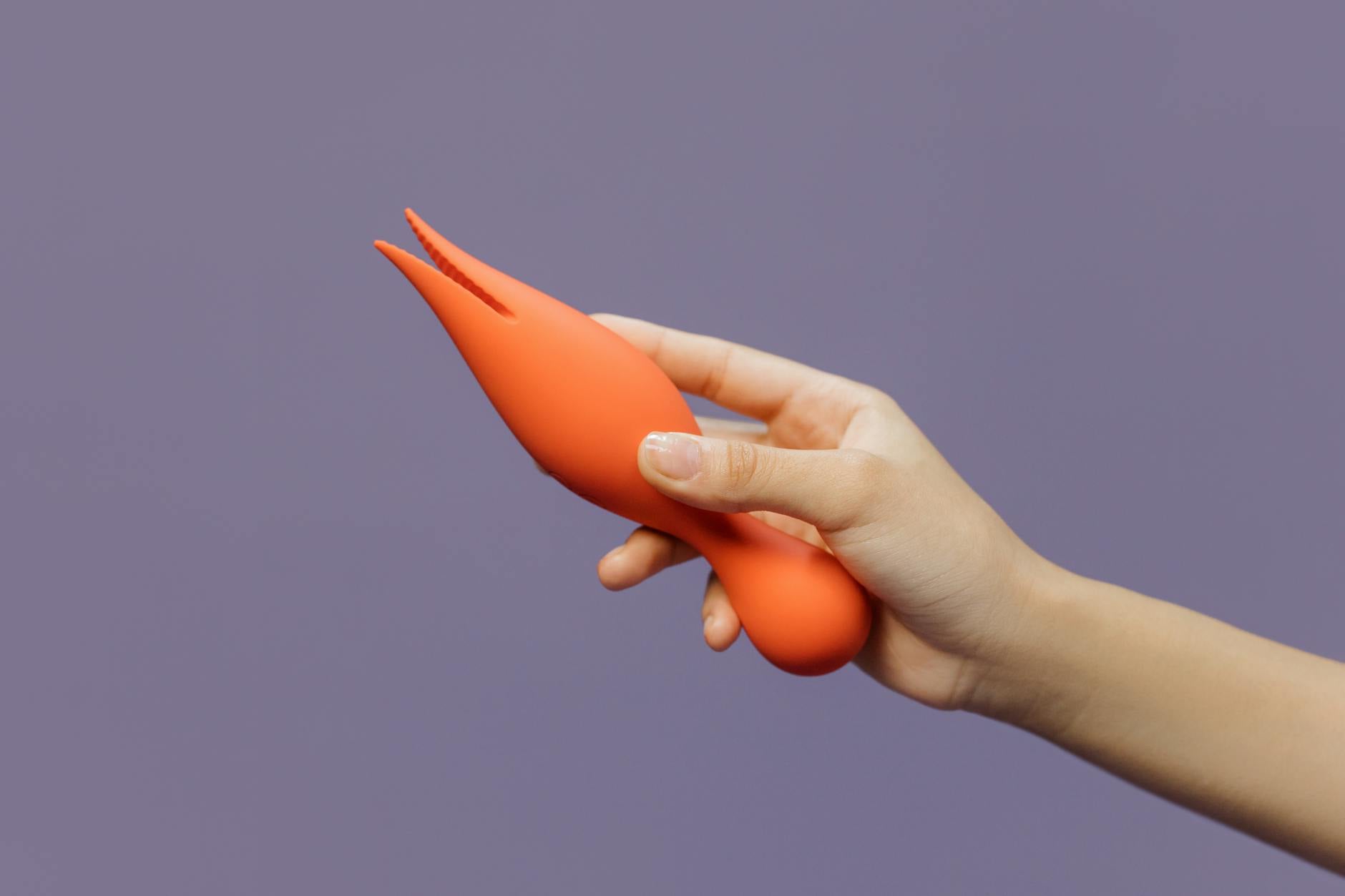
Lemon vibrators work by suction, not friction. This matters enormously when your nervous system is offline. Suction creates a different kind of stimulation—rhythmic, enveloping, less reliant on existing arousal to feel good. Many people find that lemon vibrators can coax arousal back online even when nothing else penetrates the fog.
It's not magic. It's just a different entry point into your body when the usual pathways are temporarily blocked.
Starting small: resensitizing your body
When stress has dampened desire, your first goal isn't orgasm. It's sensation. It's relearning what pleasure feels like in your body.
Start in a truly safe environment. Not in bed where you might feel pressure. Maybe a bath, a quiet room, somewhere private where you have zero agenda. Set a timer for ten to fifteen minutes. This isn't unlimited—having an endpoint actually eases the nervous system.
Use the lowest setting on your lemon vibrator. Start at your inner thigh, your labia, anywhere except the clitoris initially. The clitoris is hypersensitive when you're stressed; starting there can feel overwhelming or numb. Let your body remember what sensation is. Let your nervous system clock this as safe.
You might feel nothing. You might feel uncomfortable. Both are normal. You're not trying to come. You're not trying to prove anything. You're just introducing stimulus back to a system that's been in lockdown.
Working with the stress response, not against it
If anxiety spikes during solo time, stop. There's no medal for pushing through. Your body is telling you the nervous system isn't ready yet. This is data, not failure.
Instead, build a ritual around resensitization that includes nervous system downregulation before you even touch your lemon clitoral vibrator. Breathwork helps. So does a warm shower. Some people need to cry first. Some need to move or dance. The point is to give your sympathetic system enough of a release valve that your parasympathetic can come online.
If you're partnered, tell them what you're doing. Not so they can fix it, but so they stop waiting for you to suddenly be interested in partnered sex. The pressure of expectation is a secondary stressor. Removing it often lets desire reactivate on its own timeline.
The three-week recalibration window
If you're consistent with solo play using your lemon vibrator—even just ten minutes, three or four times a week—most people notice a shift in arousal capacity within two to three weeks. Not a dramatic orgasm explosion. Just a subtle return of desire. A slight warmth. Easier blood flow. The nervous system beginning to remember that pleasure is possible.
This isn't the same as your desire before the stress. And that's fine. You're not trying to go backward. You're meeting yourself where you are and moving forward from there.
When to bring a partner back in
If you're in a relationship, the temptation is to jump back to partnered sex as soon as solo arousal returns. Hold there. Let solo pleasure stabilize first.
When you do invite your partner back in, frame it as exploration, not performance. Maybe they watch you use your lemon vibrator. Maybe you use it during foreplay. Maybe you don't combine them for a while. The point is that you're rebuilding trust in your own arousal before you're also managing their expectations and energy.
Many couples find that reintegrating pleasure after stress actually deepens intimacy because it strips away performance and returns both people to curiosity.
What doesn't help (and what to skip)
Don't try to force arousal with pressure play or rougher vibrators. Your nervous system is already overwhelmed. Gentle, gradual, consistent input works. Shock tactics backfire.
Don't numb out with alcohol or other substances to facilitate sex. It might feel easier in the moment, but you're postponing the nervous system recalibration. It still needs to happen, sober.
Don't skip the mental part. If the stress is ongoing—a difficult work situation, unresolved grief, relationship conflict—your body won't recalibrate fully. Consider therapy or coaching alongside the physical resensitization. The nervous system and the mind aren't separate. They're a unit.
When to seek additional support
If desire has been flat for more than three months despite consistent self-pleasure and nervous system work, check in with a therapist or sex counselor. Sometimes stress-related desire loss has layers—past trauma, unresolved relationship issues, hormonal components. A professional can help you untangle which is which.
If lemon vibrators or any touch triggers panic or dissociation, that's a sign to work with a trauma-informed therapist before pushing solo play. Your body is protecting you from something. That protection deserves respect and professional guidance.
The bigger picture
Stress flattens desire. This is biology, not a character flaw. Using a lemon vibrator to gently resensitize isn't dodging the bigger stressor—it's one piece of rebuilding your capacity for pleasure while you're also addressing the stress itself.
Desire comes back when your nervous system feels safe. Sometimes that takes therapy, life changes, or time. Sometimes a tool designed specifically for clitoral pleasure—one that doesn't require existing arousal to feel good—is the gentle nudge your body needs to remember that sensation is still available to you.
Your pleasure matters. Even when, especially when, everything else feels heavy.
People also ask
Can a lemon vibrator help with desire loss from depression?
Sometimes. Depression also dampens arousal through both neurological and hormonal pathways. A lemon vibrator might help you reconnect with sensation, but depression usually needs professional treatment—therapy, medication, or both. Think of lemon vibrators as one part of a bigger toolkit, not the full answer. Many people find that antidepressants actually help desire return over time, especially once the medication has stabilized.
How long does it usually take for desire to come back after emotional stress?
It depends on the stressor and your nervous system. If the stress resolves, desire often begins returning within three to six weeks of consistent resensitization work. If the stress is ongoing, your body won't fully recalibrate. Grief can flatten desire for months or longer. The timeline isn't linear. You might feel bursts of desire interspersed with flatness. Both are normal.
Is it normal to feel nothing when I first use a lemon vibrator after stress?
Completely normal. When your nervous system is in lockdown, stimulation can feel muted or numb. This doesn't mean your clitoris is broken or that the vibrator doesn't work. It means your body is protecting itself. Keep going gently. Sensation usually returns before desire does. You might notice warmth, slight tingling, or a faint pulse of interest before you actually feel horny. That's progress.
Should I use my lemon vibrator alone or with my partner when I'm rebuilding desire after stress?
Start alone. Solo play takes pressure off. You're not worrying about your partner's experience or whether you're taking too long or whether you look right. When your nervous system is fragile, that absence of external expectation actually helps arousal rebuild. Add a partner back in once solo pleasure feels consistent and less effortful.
What if my partner wants sex and I'm not ready, but I'm using a lemon vibrator solo?
Tell them. Directly. "I'm working on reconnecting with my own pleasure right now, and I need that to happen solo for a bit." Most partners actually feel relieved. It removes the guilt they might be carrying about you not wanting them. It also clarifies that desire isn't gone—it's just on a different timeline and needs a specific kind of space.
Can lemon sexual toys make desire worse if I force it?
Yes. If you're using your lemon vibrator as a performance tool—"I should be coming by now," "I should feel something"—you're adding pressure, which activates stress, which dampens arousal further. The tool works best when you're genuinely curious and gentle with yourself. If you notice frustration building, stop. Resensitization isn't about achievement. It's about reconnection.