Let's start with what nobody tells you before surgery
Your doctor will give you a list of don'ts: no heavy lifting, no tampons, no baths. What they usually skip over is the pleasure conversation. Between you and me, that silence is the problem. Your body didn't stop wanting to feel good just because you had surgery. It needs to rebuild, yes, but rebuild can start sooner than you think.
Here's the real thing: post-operative intimacy is possible. It's not reckless. It's human. And if you approach it with intention and the right tools, it can actually accelerate your recovery by improving circulation, releasing endorphins, and reminding your nervous system that your body is still yours.
Why surgery changes pleasure temporarily (and how it doesn't permanently)
Whether you had a hysterectomy, fibroid removal, endometriosis surgery, cesarean delivery, or abdominal work, the same physiological reality applies: your tissues have been handled, sutured, and are now actively healing. This changes sensation in specific ways.
Surgical trauma to pelvic tissue increases inflammation and sensitivity. Your scar tissue is tight and still forming neural pathways. Anesthesia and pain medication can muffle arousal signals traveling between your body and brain. And honestly, the psychological weight of "I'm still healing" sits in your nervous system, which makes genuine relaxation harder.
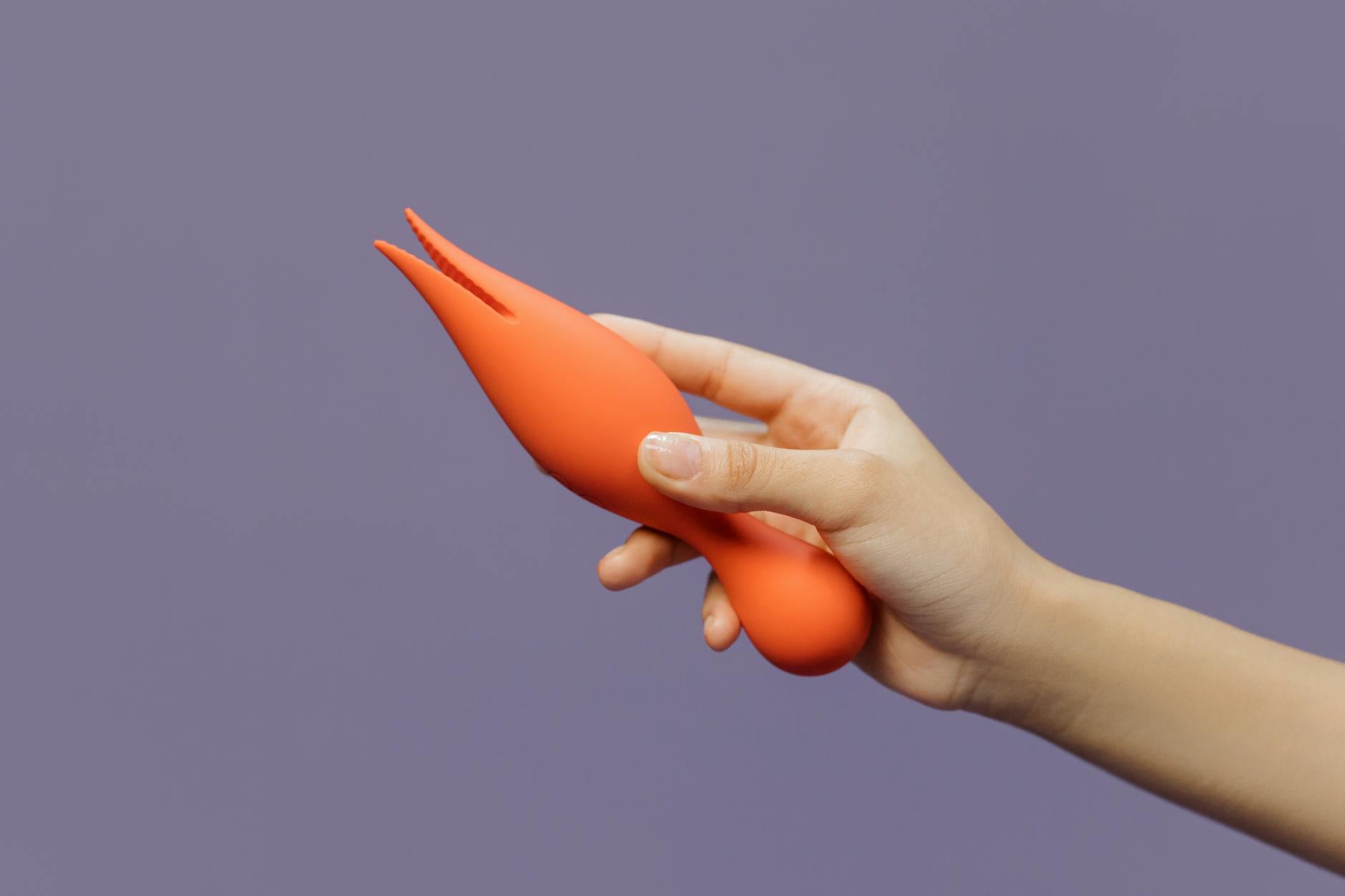
Here's what doesn't break: your clitoral nerve complex is wildly resilient. Air-suction technology like our lemon clitoral vibrator bypasses friction entirely, which matters because post-surgery tissue can't tolerate the same pressure it could before. The Lem works by creating gentle suction pulses rather than vibration, which stimulates without the mechanical stress that healed surgical sites genuinely cannot handle yet.
The timeline that actually makes sense
Your surgeon will probably say six weeks before sexual activity. That's the baseline clearance for tissue closure. But that doesn't mean weeks 1-6 are a blank slate.
Weeks 1-3: Observation only. Pain levels are high. Swelling is peak. Your job is rest, ice, compression, and medication as prescribed. This isn't the time for solo exploration. Your body is too activated. Let it be.
Weeks 3-6: Gentle exploration begins. If your pain is managed and you're off strong opioids, you can start thinking about self-touch without penetration. Zero vibration. Just fingertip contact to areas far away from the incision. This rewires the "I still exist" signal to your brain.
Week 6 onwards: Cleared for external stimulation. This is when lemon clitoral vibrators enter the picture. Start with the lowest settings. Your tissues are still tender, and your nervous system is still learning that pleasure is safe again.
Week 8-12: Graduated intensity. You can experiment with pattern variations and slightly longer sessions. By now, scar tissue is forming properly, and sensation is returning more predictably.
How to introduce air-suction vibrators post-surgery
Think of the first few uses as a conversation with your body, not a performance.
First session: 5 minutes, lowest setting, seated position. Seated upright or reclined against pillows gives you control and lets you stop instantly if something doesn't feel right. Place the Lem lightly over the clitoris without pressing. Let the suction do the work. Your job is to notice. Does it feel good? Does it sting? Does your incision site feel pulled? That information is gold.
Second through fifth sessions: Same setup, gradually extend to 10 minutes. Humans need repetition to learn that something is safe. Your nervous system needs proof that gentle pleasure is possible without triggering pain or complications.
Sessions six onwards: Expand position variety. If seated feels good, try lying on your side. Experiment with which clitoral position feels best. Some post-operative bodies prefer direct contact; others prefer indirect stimulation through the clitoral hood.
Use water-based lubricant even if you're not penetrating. Surgical swelling can dry out tissue, and the lube creates a gentler seal that feels less intense than suction alone. This is not weakness. This is smart recovery.
The role of partner involvement (if that's your situation)
If you're partnered, communication here is non-negotiable. Your partner may feel anxious about hurting you. They may feel guilty or confused about when intimacy can resume. Before you do anything with a lemon vibrator together, name that.
A good conversation sounds like: "I miss feeling close to you. My doctor cleared me for external stimulation. I'd like to explore that together at my pace." Not: "Can we have sex yet?" That's a different conversation entirely, and mixing them makes both harder.
Your partner can be present without being involved initially. They can simply be in the room while you explore, offering reassurance rather than doing anything. Or they can use the vibrator on you if you want, but only if you've first learned how it feels on your own. You need to know what "good" is before anyone else participates.
Red flags that mean you should pause
Sharp, shooting pain is not pressure. It's a signal. Stop immediately. Pain that lingers for hours after use means you pushed too hard. Pain that appears the next day means your incision isn't as stable as you thought.
Bleeding or increased discharge needs a call to your surgeon. Not an email tomorrow. A call. A little spotting is sometimes normal post-surgery, but increased bleeding tied to vibrator use might mean a stitch is loose.
If you feel faint or dizzy during use, that's nervous system activation. Stop. Breathe. Your body might be processing emotion alongside physical sensation. That's real and it's valid. It doesn't mean you've done anything wrong. It means you might benefit from a slower pace.
Why air-suction technology is gentler than traditional vibration
Most vibrators use mechanical oscillation. They buzz. For post-operative tissue, that vibration can feel scattered and overstimulating. Air-suction technology, like the design of the Lem, creates a rhythmic pulse that feels more organized to the nervous system. There's a beginning, middle, and end to each pulse. Your tissue isn't being shaken. It's being gently massaged.
For post-surgical bodies especially, this distinction changes everything. The sensation feels more like deep pressure than tremor. That deep pressure actually helps modulate pain and accelerates tissue remodeling. It's not just pleasant. It's biomechanically supportive of recovery.
The emotional piece nobody talks about
Physical recovery is one thing. Emotional recovery is another. Many people report feeling disconnected from their bodies after surgery. The operative site becomes a source of anxiety rather than pleasure. There's often shame: "How am I thinking about pleasure right now when my body is literally healing?"
Here's the thing: your body doesn't experience pleasure and healing as mutually exclusive. In fact, the nervous system shifts out of threat mode when you're experiencing genuine pleasure. That shift is when deep healing happens. You're not being selfish. You're supporting your recovery.
If you're struggling with body image or anxiety around the surgery site, talking to a therapist who specializes in trauma or sexuality can help. You don't have to white-knuckle through this. There are tools.
How to know when you're truly ready for penetration
That's a conversation with your surgeon, but here's what your body should signal: zero pain with external lemon clitoral vibration at maximum settings. Ability to relax your pelvic floor completely. Return of normal discharge patterns. Scar tissue should feel integrated, not pulled or raw.
Even then, start slow. Penetration changes pressure dynamics. Smaller toys first. Water-based lube generously. A partner you completely trust if you're with someone. And the ability to say "stop" without explanation.
Some people rush this timeline because they feel pressure to return to normal. You're not behind schedule if it takes three months or six months. You're exactly where you need to be.
People also ask
Is it safe to use lemon vibrators six weeks after gynecological surgery?
External clitoral stimulation with gentle air-suction tools like the Lem is generally safe at six weeks post-op, assuming your surgeon has cleared you for sexual activity and you have no pain or complications. Start conservatively: lowest settings, short sessions, and watch for any bleeding or increased pain. If anything feels wrong, pause and contact your surgeon.
Can lemon clitoral vibrators actually help post-surgery recovery?
Yes, in multiple ways. Gentle stimulation increases blood flow to the area, which brings oxygen and nutrients that support tissue healing. Orgasm releases endorphins and oxytocin, both of which reduce inflammation and promote relaxation. The nervous system needs proof that the area is safe, and pleasure provides that proof.
What if I feel pain when I try to use a lemon vibrator post-surgery?
Pain is information. Sharp or shooting pain means stop immediately. Your tissues might not be as healed as the timeline suggests. Consistent pain with every attempt warrants a call to your surgeon. Some post-operative pain is normal for the first week or two of exploration, but it should decrease with each session as your nervous system learns that stimulation is safe.
How long after surgery can I have penetrative sex?
Your surgeon will typically clear you for penetration at six to eight weeks, depending on the procedure. But clearance is different from readiness. You should have full pain-free sensation with external stimulation before moving to penetration. Listen to your body, not the calendar.
Can I use a lemon sucker vibrator if I had abdominal surgery that wasn't gynecological?
Yes. Abdominal surgery changes core tension and can impact pelvic floor function, but it doesn't damage clitoral tissue directly. The same timeline applies: clearance from your surgeon, then start with external stimulation only. Monitor your incision site for any pulling or increased pain.
Should my partner help with post-surgery vibrator use or should I do it solo?
Both approaches are valid. Solo exploration first lets you learn what feels good without the pressure of performing. Partner involvement later adds intimacy and reconnection. There's no right order. What matters is that you feel safe and in control.
The path forward
Post-surgery intimacy isn't about rushing back to normal. It's about gently, intentionally rebuilding the connection between your brain and your body. Lemon vibrators are tools that support that rebuilding because they respect what your tissue has been through while still delivering the pleasure and nervous system regulation your whole self needs.
Start slow. Listen to your body. Know when to pause. And remember that healing is not linear. Some days will feel more sensual than others. That's not failure. That's recovery.
If you have specific concerns about your timeline or if pain persists, your surgeon or a pelvic floor physical therapist is always the right person to ask. And if you're struggling emotionally with the recovery process, that's exactly what counseling is for. You deserve support, both physical and emotional.
Your pleasure matters. Your recovery matters. Both at the same time.