Let's name what's actually happening
You prefer solo play. Not because partnered sex is off the table or because you're avoiding intimacy, but because solo exploration feels more predictable, more under your control, and frankly more pleasurable right now. That's not a symptom. That's information.
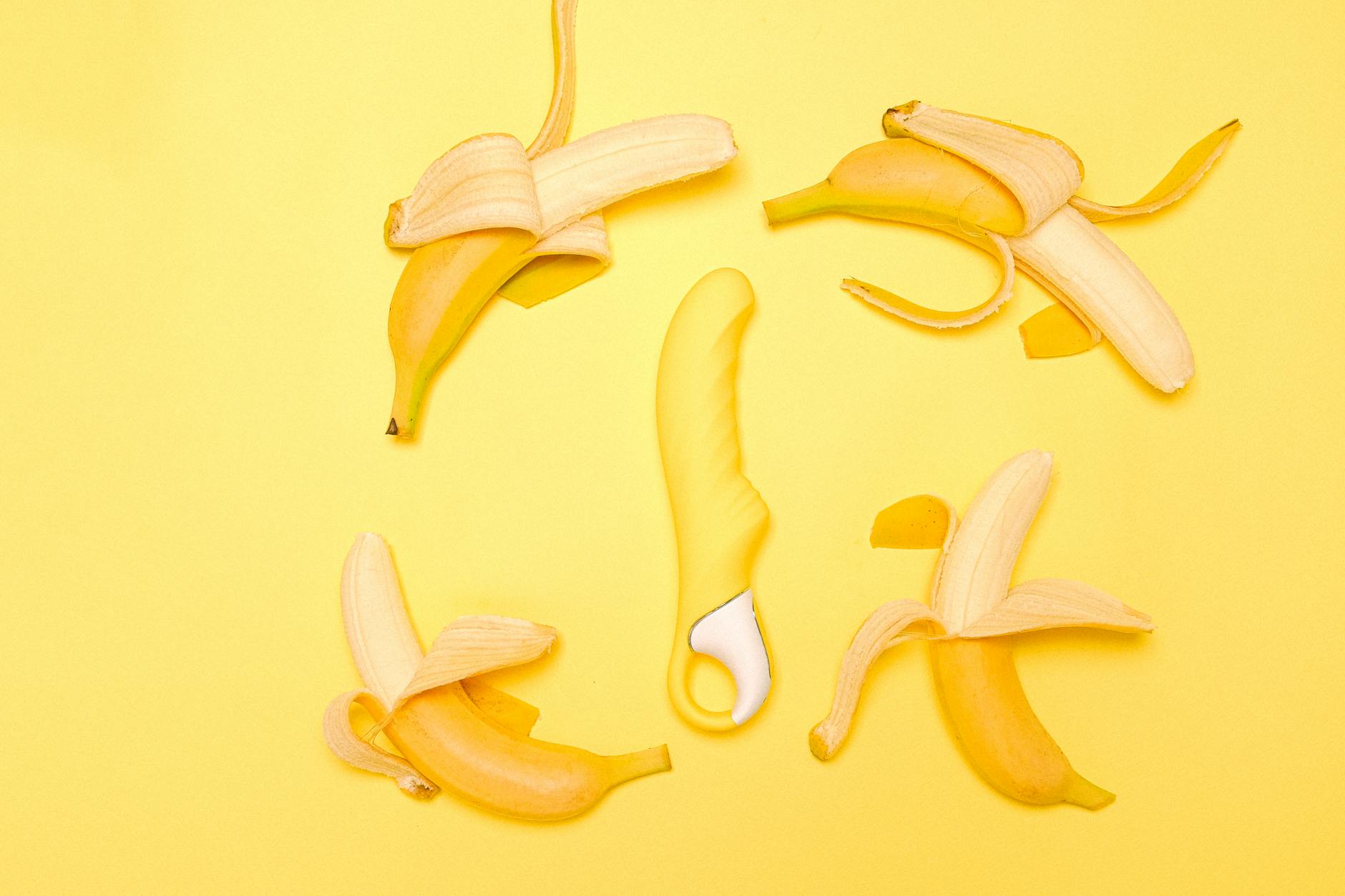
Here's what I hear from clients consistently: partnered sex brings negotiation, timing, performance pressure, and the weight of someone else's needs into the room. Solo play brings clarity. A clitoral vibrator like the Lemon gives you exactly what you want, when you want it, without explanation or compromise. And that matters.
Why solo play can feel emotionally safer
There are real, legitimate reasons solo exploration might feel better than partnered sex at any given moment in your life.
Autonomy. You control pace, pressure, and duration entirely. No checking in, no pausing because your partner needs a break, no adjusting your rhythm to match someone else's. This is underrated. Most people have spent years adapting their pleasure around someone else's capacity.
No performance. Partnered sex, even in loving relationships, carries an invisible audience. Are you taking too long? Do you look okay? Is this working for them? Solo play eliminates that entirely. Your face, your sounds, your timing are for nobody but yourself.
Predictability. A lemon vibrator does what it does every single time. Your partner doesn't. Their attention fluctuates. Their arousal cycles. Their interests shift. If you're recovering from a betrayal, a period of emotional distance, or simply years of misalignment, solo play's reliability can feel revolutionary.
Emotional safety. If you've experienced pressure, boundary violations, or manipulation in partnered contexts, your nervous system might have legitimate reasons to prefer the solitude and control of solo play. That's not dysfunction. That's your body protecting you.
Building your solo practice without guilt
First: solo play doesn't need justification. You don't owe partnered sex to anyone, ever. But if you're in a relationship and worried about how your preference sits with your partner, that's worth addressing directly, separate from the pleasure itself.
Start with a dedicated space and time. This might be 20 minutes on Sunday morning, or Wednesday night after work. Consistency matters because your body learns to expect and prepare for pleasure. You'll find arousal builds faster when your nervous system recognizes the ritual.
Use a lemon vibrator deliberately. Start at lower intensities. Pattern 1 or 2, even if you know you can handle higher settings. The goal isn't to chase orgasm fast. It's to stay present and notice what feels good at that moment. Some sessions will build to orgasm quickly. Others will plateau and drift. Both are valid.
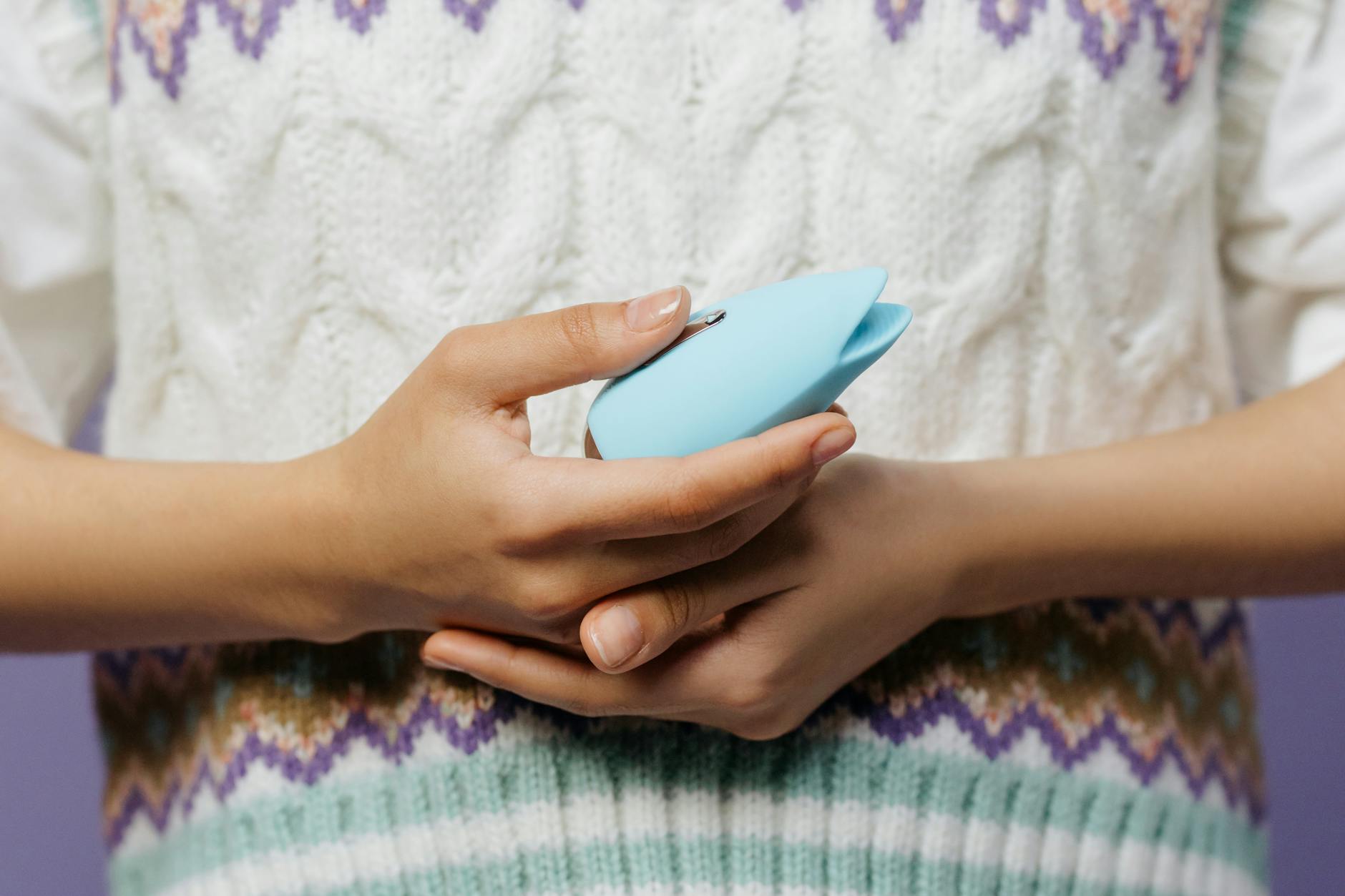
Photo by cottonbro studio on Pexels
The reality check: solo play vs. avoidance
Here's where honesty matters. Preferring solo play is one thing. Using it to avoid all partnered connection is another.
Ask yourself: Am I choosing solo play because it genuinely feels better right now, or because partnered sex has started to feel like an obligation I'm dodging? Those feel different psychologically. One is empowering. The other is unsustainable and usually leaves you feeling guilty or resentful.
If you're in a partnership and solo play has completely replaced partnered intimacy for months, that's worth exploring with a therapist. Not because solo play is wrong, but because relationships need some shared physical connection to stay emotionally bonded. Those don't have to look identical to traditional sex. But they need to exist.
If you're single or not partnered, this entire question is moot. Solo play is your sex life. Make it count.
What to do when partnered sex happens anyway
Likewise, sometimes you'll be with a partner and sex becomes the expectation or the moment. You don't always have the option to decline.
Here's a practical bridge: bring your clitoral vibrator into partnered play. Not as a last resort or a sign that something's wrong, but as a regular tool. You can use it during foreplay, during penetration if that's relevant, or as the main event while your partner participates in whatever way makes sense.
This solves several problems at once. Your partner gets to see and participate in your pleasure directly. You get the stimulation and control you need. And the dynamic shifts from "he/she tries to make me come" to "we're both here for your pleasure." That's a fundamentally different experience.
If your partner resists this or makes you feel ashamed of needing a vibrator, that's separate information about your relationship. Not about your needs being wrong.
Building back toward partnered play (if you want to)
Maybe right now solo play is your preference, but you'd like to eventually rebuild partnered intimacy. That's possible, and it doesn't require you to start from scratch.
Use solo time as a recalibration tool. Learn what you actually want and need. Notice patterns. Do you prefer longer warm-up? Specific types of touch? Certain rhythms? Does your arousal show up faster at certain times of day, or after certain activities?
Then bring that data into conversations with your partner. Not as criticism. As information. "I notice I need about 20 minutes to really warm up" or "I build best with slower patterns first." This gives your partner specific, actionable guidance instead of vague dissatisfaction.
When you do engage in partnered play, use your lemon vibrator. Make it part of the shared experience. Your pleasure matters as much as theirs does.
A note on long-term partnership
Long-term relationships often cycle through seasons. Sometimes you're intensely connected physically. Sometimes you're parallel, doing your own thing. Sometimes you're rebuilding from distance.
Solo play during a disconnected season isn't a failure. It's sustainable pleasure while you figure out what comes next. Some couples stay connected through solo play for months while they work through other relationship issues in therapy. That's not settling. That's being realistic about what's available right now.
If you're permanently preferring solo play in a relationship that expects partnered sex, that's worth naming and working through, either together or with professional support. But don't confuse temporary preference for permanent incompatibility. Life circumstances shift. Needs evolve.
FAQ
Is it okay to prefer solo play over partnered sex?
Yes, absolutely. Solo play is a complete, valid form of sexual expression. Your pleasure matters whether it's alone or with someone else. What matters is that the preference aligns with your actual desires, not avoidance or obligation.
Will using a clitoral vibrator for solo play make partnered sex harder?
No. A lemon vibrator won't make partnered sex impossible. But it will show you what you're capable of, which might make mediocre partnered sex feel more obviously mediocre. That's actually useful information, not a problem to solve.
How often is it normal to masturbate with a vibrator?
There's no "normal." Some people use clitoral vibrators multiple times weekly. Others prefer monthly. Frequency depends on your libido, stress levels, relationship status, and honestly just what feels right that week. Listen to your body, not a formula.
Can I use a lemon vibrator for both solo and partnered play?
Completely. Most clitoral vibrators work beautifully in both contexts. Just clean it between uses and respect whatever boundaries feel right for you.
What if my partner feels threatened by my solo play?
That's a conversation worth having directly. Sometimes insecurity is about masculinity or performance anxiety. Sometimes it's about fear of disconnection. Those are different problems requiring different solutions. A therapist can help untangle what's actually driving the resistance.
How do I know if I'm avoiding partnered sex or genuinely preferring solo play?
One feels energizing and grounding. The other feels obligatory and loaded. Pay attention to your body's response. Does solo play relax you? Partnered sex tense you up? That's your answer.
The bottom line
Solo pleasure with a lemon vibrator is not Plan B for when partnered sex isn't available. It's a legitimate, complete form of sexual expression that deserves respect and intention. If solo play is where you're at right now, claim it. Build a practice that feels grounded and nourishing. And know that your pleasure, however you access it, matters.
If you're navigating how solo play fits into a partnered relationship and want support working through it, reach out. This is exactly the kind of thing relationship coaching helps with.