Let's name what's happening
Your clitoris is not a static target. It changes texture, sensitivity, and what it wants throughout your cycle, across decades, and sometimes without obvious reason at all. You might have loved direct vibration last year and now it feels sharp or raw. You might have wanted intense stimulation and suddenly prefer gentler suction. This is not failure. This is your nervous system telling you something.
Lemon vibrators, especially the air-suction design, are built for exactly this kind of shift. They give you texture options, intensity ranges, and pressure patterns that move with what your body is asking for on any given day.
Why clitoral sensitivity changes
Three things usually drive this.
First, hormonal shifts. Even if you're not tracking cycles, hormones move. Estrogen, progesterone, and testosterone all influence blood flow, nerve sensitivity, and how quickly tissue swells during arousal. Different phases feel different.
Second, stress and nervous system state. When you're activated or tense, your clitoris often becomes hypersensitive to direct touch. When you're relaxed, you might crave more pressure. This isn't weakness. It's your sympathetic nervous system showing up.
Third, physical changes from age, medication, or health shifts. Birth control changes hormone balance. Certain medications dry tissue or dull sensation. Pelvic floor tightness can make direct stimulation feel unbearable. Conversely, releasing pelvic floor tension can suddenly make sensations feel new and intense.
None of these mean you're broken.
The texture problem
Here's where many people get stuck. They find a vibrator that works, buy it, and then their body changes. The same toy that created orgasms now feels too buzzy, too repetitive, too sharp, or too shallow.
Traditional vibrators come in one texture. One pattern. One speed range. You either like it or you don't.
Lemon vibrators solve this differently. The suction-based design of the clitoral vibrator creates a pulling sensation rather than direct buzzing. This matters because suction stimulates nerves without the same mechanical grinding that can feel raw on sensitive tissue. If that's still too much, you drop the intensity and adjust the pattern.
If suction isn't your preference right now, you have options. The lemon clitoral vibrator works for people who want that specific texture. But it's not one-size-fits-all.

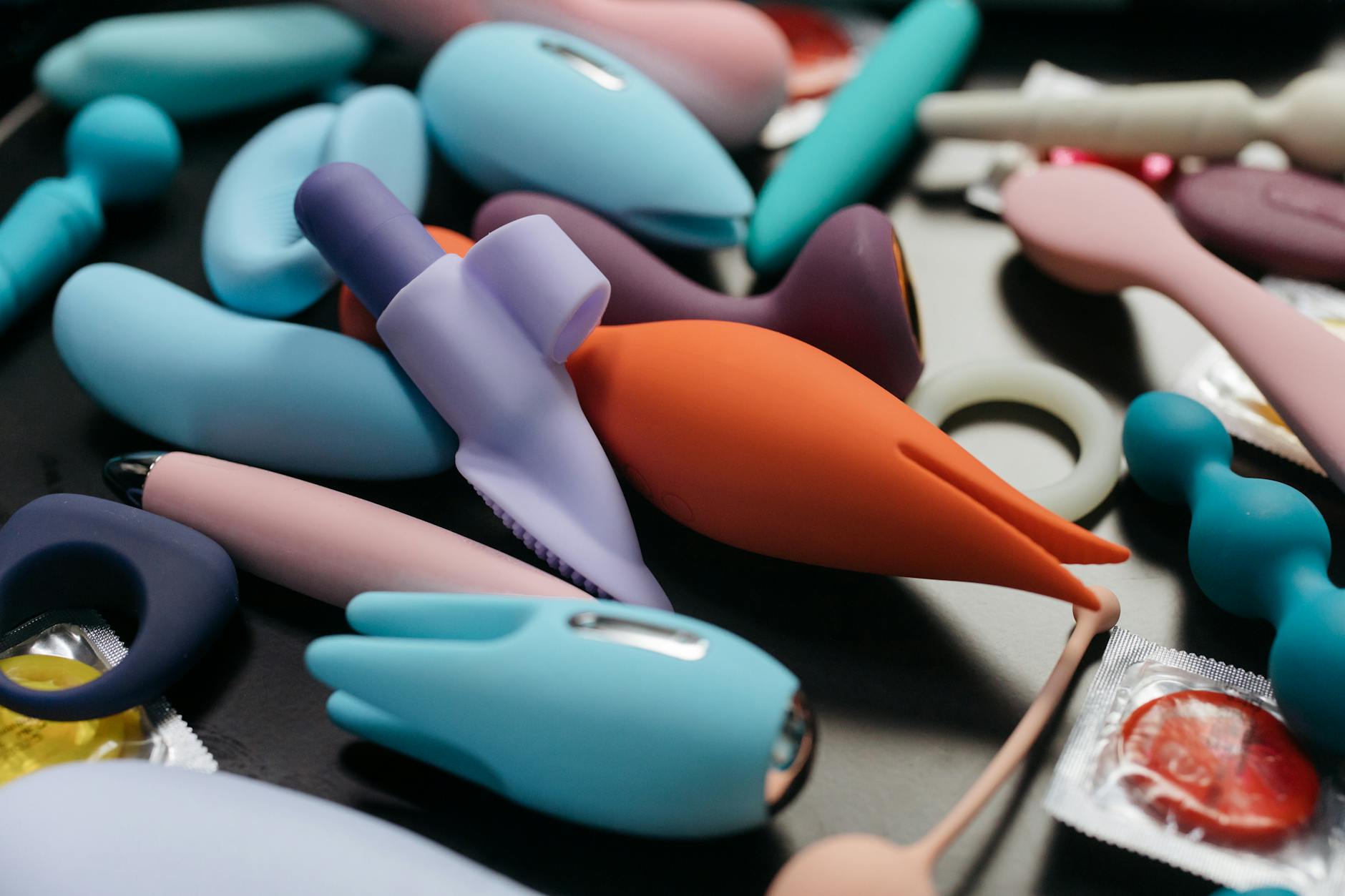
Photo by Ron Lach on Pexels
Mapping what changed
Before you try a new toy or pattern, spend one solo session really noticing. Not judging. Noticing.
Does the issue feel physical? Does it sting, burn, or feel raw? That's usually direct friction or tissue that needs more time to warm up.
Does it feel blunt or unsatisfying? Like you're not connecting to the sensation even though you want to? That's often desensitization or not enough intensity.
Does it feel overwhelming or scattered? Like the vibration is bouncing around instead of concentrating? That's a pattern or pressure mismatch.
Does it feel numb or distant? Even when you're aroused? That can point to pelvic floor bracing, stress response, or nerve changes that need gentler, longer warm-up time.
Once you name it, you can solve it. If it stings, you need less pressure or more lubrication. If it's blunt, you might need intensity or a focused contact point. If it's scattered, you need a pattern that concentrates sensation. If it's numb, you need time, warm-up, and often a different texture entirely.
How to adapt your lemon vibrator to new sensitivity
Lemon vibrators come with range built in.
Start lower than you think you need. If you're experiencing new sensitivity, patterns 1 through 3 are usually the right entry point. Arousal takes longer at lower intensity, but sensation gets sharper, not duller. Give yourself 10 to 15 minutes before you assume it's not working.
Use position to control pressure. The clitoral vibrator doesn't press the same way at every angle. Angling it slightly so it's not dead-center over the clitoris can feel less intense. Moving it side to side instead of hovering directly changes the stimulation pattern entirely.
Lubricate generously. Even if you usually don't need much, new sensitivity often benefits from a slick barrier between toy and tissue. Water-based lubricant (the safe choice for silicone toys) reduces friction friction and lets you feel the vibration more clearly rather than the pressure.
Test texture before you commit. If you're not sure about suction versus buzz, borrow a friend's toy or buy from somewhere with a good return policy. Your money is better spent learning what your body actually wants right now than forcing yourself into a texture preference that's changed.
When you want MORE intensity than before
The flip side also happens. Sometimes your clitoris becomes less responsive, and you need more intensity, not less.
This can come from stress numbing, from pelvic floor tension that's dampening sensation, or sometimes from a nervous system pattern where you've trained yourself to need more to feel anything.
If this is you, try the opposite approach. Use higher patterns on the lemon vibrator, but give yourself permission to spend longer building arousal. Intensity and time work together. A higher pattern for 20 minutes of steady arousal often feels better than a lower pattern for 5 minutes.
Also consider whether pelvic floor tension is the issue. How to Use Lemon Vibrators When You Have Vaginismus or Pelvic Floor Tension walks through what that looks like and how to address it. Sometimes releasing tension makes sensation feel new again, even at lower intensities.
The mental layer you can't skip
Honestly, half of clitoral sensitivity changes are nervous system stuff in a body costume. When you're anxious about whether your body is "normal," whether the toy is "the right one," whether you're doing this "right," your nervous system tightens. Your pelvic floor clenches. Your arousal stalls.
Then you think the toy is wrong, when really your system is braced.
Before you change toys, change the expectation. Your preferences shifting is not a problem to solve. It's your body communicating. If you liked intense buzz and now you like gentle suction, that's information. If you need longer warm-up, that's information. If you need different timing, that's information.
Your clitoris is not a machine. It's a dynamic, responsive part of your nervous system. Its job is to feel and respond. If what it's responding to right now is different than three months ago, that's the system working.
Quick troubleshooting checklist
Sensitivity feels new in the last month. Check: hormones (cycle phase, medication change, health shift), stress level, pelvic floor tension, how much foreplay you're giving yourself.
Your preference used to be intensity and now it feels raw. Try: lower patterns, more lubrication, angle changes, longer warm-up, and gentler pressure.
You feel numb even when aroused. Try: longer arousal time before toy contact, focusing on breathing, checking pelvic floor tension, warming up with hands first.
The toy feels one-note or boring now. Try: alternating patterns mid-session, changing position, using during partnered play to add novelty, combining it with other tools.
You think you need a new toy. Before buying, spend two sessions with your current lemon vibrator using different patterns, positions, and intensities. Often a shift in approach solves what feels like a toy problem.
People also ask
Can your clitoris become permanently less sensitive?
No, but it can feel that way temporarily. Stress, certain medications, hormonal shifts, and pelvic floor tension all dull sensation. They're all also reversible. Once you address the underlying cause (stress management, medication adjustment, pelvic floor release, hormone rebalance), sensitivity usually returns. If it doesn't, a pelvic floor physical therapist or a doctor who specializes in sexual health can rule out nerve damage or other causes.
Is it normal for what you like to change every few months?
Completely normal. Your body is not static. Hormones shift, stress levels move, relationships change, and your nervous system adapts. Someone might crave intensity during high-stress periods and gentleness during calm ones. This is not inconsistency. It's responsiveness.
Why does suction feel different from vibration?
Suction stimulates nerves through pulling and pressure changes, while vibration stimulates through mechanical movement. For people with sensitive tissue, suction can feel less abrasive because it doesn't require direct friction the same way. For others, suction feels more intense or concentrated. Both are valid. Your job is figuring which texture your body is asking for right now.
Can sensitivity changes mean something is wrong?
Usually no. Sensitivity shifts are normal and often tied to cycle, stress, or age. But sudden numbness paired with pain, discharge changes, or other symptoms should get checked by a doctor. If your sensitivity changed after medication, surgery, or a health event, mention it to your healthcare provider. Most of the time it's nothing. Sometimes it's important information.
Should you ignore your sensitivity changes and use the toy anyway?
No. Your body is talking. Listen. If a toy hurts or feels wrong, stop. Forcing pleasure is the opposite of pleasure. The point of lemon vibrators and every other tool is to expand what feels good, not to override what feels bad. Your job is to adapt, not to endure.
What if you can't figure out what's changed?
That's fine too. Sometimes you don't need to know why. You just need to work with what's true right now. Try lower intensity, try lubrication, try longer warm-up time, try different patterns. One of those usually works. If you're still stuck, a sex therapist or pelvic floor physical therapist can help you dig deeper into what's happening in your body and nervous system.
What comes next
Your clitoris is allowed to change its mind. So are you.
If what you liked last year doesn't work now, that's not a flaw in the toy or in you. It's feedback. Listen to it, adjust to it, and keep exploring. Lemon vibrators are built to grow with you as your preferences shift. Your pleasure is not a fixed target. It's a moving conversation between you and your body.
The invitation is to keep the conversation open. Your sensitivity matters. Your shifting preferences matter. Your body's yes and no matter more than any product recommendation or past preference.
If you're navigating this alone or with a partner and want support thinking through what's changed, reach out. That's what we're here for.