Here's the thing about stalled relationships
Years together don't kill desire. Routine does. You wake up, go through the motions, collapse into bed, and somewhere between the mortgage and the grocery list, sex became something you schedule instead of something you want. That's not a failure. That's what happens when two people stop prioritizing the friction that keeps things alive.
The tricky part? Most couples think they need to fix the relationship first, then desire will return. It works the other way. Sometimes it takes a small shift in how you approach pleasure to remember why you wanted each other in the first place.
Why desire fades when you're comfortable
Comfort is wonderful. It's also the enemy of arousal. Arousal lives in novelty, attention, and risk. When a relationship becomes predictable, your nervous system stops paying attention. You're not switching off desire intentionally. Your brain is just conserving energy for things that feel novel or unsafe.
Add years of unspoken resentment, competing schedules, or the slow death of non-sexual touch, and desire doesn't just quiet down. It vanishes. Many couples I work with describe it as numbness. They look at their partner and feel affection, stability, maybe love. But not heat. Not wanting.
This is salvageable. But it requires something most long-term couples resist: admitting that the current rhythm isn't working and trying something different.
Why lemon vibrators work when connection has stalled
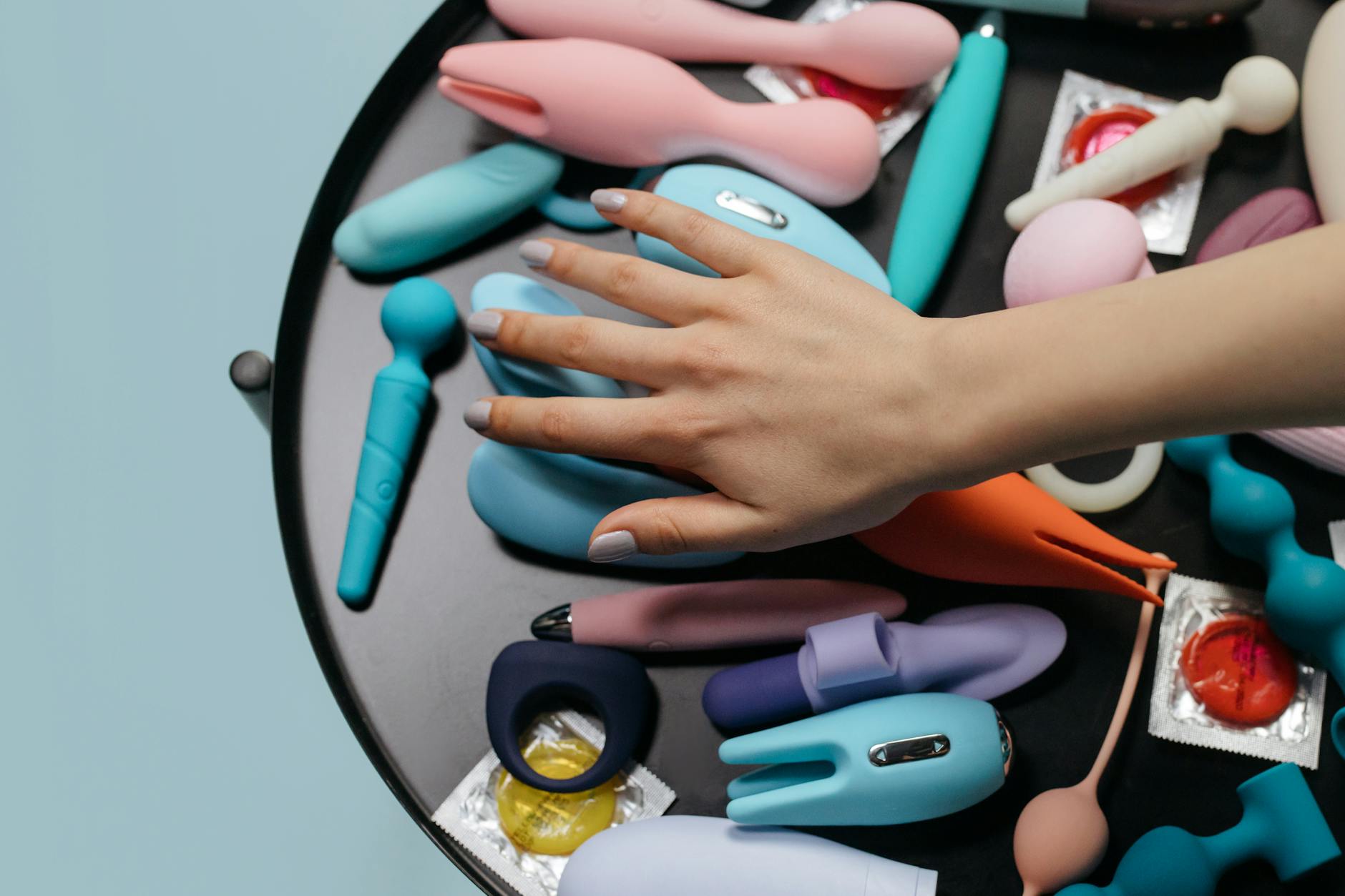
Lemon clitoral vibrators like the Lem are particularly useful in stalled relationships for three reasons.
First, they remove performance pressure. When penetrative sex is the goal, both partners are watching, calibrating, waiting for proof that desire is real. Introducing a clitoral vibrator shifts focus to sensation, not performance. You're not trying to come. You're trying to feel.
Second, they allow for novelty without requiring you to reinvent your relationship. You don't need a vacation or couples counseling to add something new to the bedroom. You need fifteen minutes and a willingness to explore something together. The Lem, with its air-suction technology, provides a sensation most people have never experienced. That novelty alone can wake up a nervous system that's been on standby.
Third, and most important, introducing a vibrator forces a conversation. Not about why desire is gone. About what pleasure could look like now. That conversation is where the real restart begins.
How to introduce the vibrator without making it feel like an accusation
Timing matters. Don't bring it up mid-argument or when one of you is already defensive about sex. Good moments are when you're both calm, connected, and ideally not in the bedroom yet.
Honesty is simpler than you think. "I miss how things used to feel between us. I want to try something that might help both of us feel more. Are you open to that?" That's it. No apology for wanting pleasure. No framing it as a fix for their inadequacy.
If they push back, resist the urge to defend the vibrator. Ask what they're afraid of. Usually it's one of three things: that they're not enough, that it means you're not attracted to them, or that you're introducing something that will require performance they don't feel capable of. Each of these is a conversation that needs to happen, but not about the vibrator. About what you both need.
If they're interested, great. Show them how it works, alone first if you need to. Read the instructions together. Make it unsexy on purpose. Once you've demystified it, it becomes a tool instead of a threat.
The first time you use it together
Don't put pressure on this being amazing. It probably won't be, not the first time. You'll both be nervous. Your partner might feel awkward watching. You might feel self-conscious being watched. All of this is normal.
Start with no expectations of orgasm or even arousal. The goal is to feel something different. Touch without the vibrator first. Build some warmth. Then introduce it. Let your partner hold it if they want. Let them experiment with patterns and pressure. Make it collaborative.
If nothing happens the first time, that's fine. If it feels good, do it again. Don't overthink whether they're enjoying it or whether this means anything about your relationship. Just let the sensation be the point.
Using lemon vibrators to rebuild non-sexual touch
Here's what most stalled relationships are actually missing: touch that isn't going anywhere. Hugs that last more than two seconds. Hands held during a show. Skin against skin that isn't foreplay.
One of my favorite exercises for couples is to use the vibrator not just for masturbation, but as a way to rebuild general touch. You can use the Lem on your partner's shoulders, neck, or thighs. Not as a lead-up to sex. Just as a way to say "I want to touch you again."
This sounds simple and slightly absurd. But most couples in stalled relationships have forgotten what it feels like to be touched without it meaning something. The clitoral vibrator, separated from the pressure of sexual performance, can become a bridge back to playfulness and non-goal-oriented contact.
When to involve a therapist
If you introduce the vibrator and it becomes another thing to argue about, or if desire still doesn't return after a few weeks, that's when couples therapy becomes useful. A therapist can help you both articulate what stalled the relationship and what needs to change.
Some stalled relationships are fixable with small changes. Some need serious work on communication, resentment, or misaligned life goals. The vibrator isn't a substitute for that work. It's just a conversation starter.
The shift that happens when routine cracks
What often surprises couples is that reintroducing pleasure doesn't require overhauling everything. It requires permission to be different. To want something new. To not have all the answers before you start.
When you use a lemon clitoral vibrator together, you're not fixing your relationship. You're creating a small pocket of time where performance doesn't matter, where novelty is allowed, and where both of you are focused on sensation instead of what's broken. That small pocket is where desire quietly restarts.
Your partner might watch you use the Lem and feel turned on. You might experience an orgasm that reminds you what pleasure actually feels like. Or nothing dramatic might happen, and you'll just feel a little more curious about each other. Any of those outcomes is a step toward reconnection.
FAQ: Low Libido and Relationship Stagnation
Can a vibrator actually fix a relationship with no desire?
No, but it can crack open the possibility of desire. A vibrator is a tool, not a relationship repair kit. If the stagnation comes from deeper issues like infidelity, financial stress, or unresolved conflict, introducing the vibrator without addressing those issues won't work. But if the stagnation is from years of routine and forgotten pleasure, a vibrator can be the thing that says "let's try something different together."
What if my partner is uncomfortable with vibrators?
That discomfort is information. Ask what specifically makes them uncomfortable. Is it that they feel replaced? That they think it means you're not attracted to them? That they learned sexuality was shameful? Once you know, you can address the actual fear instead of arguing about the tool. Some partners warm up after honest conversation. Some don't, and that's a bigger relationship issue to work through.
How often should we use lemon vibrators to rebuild connection?
There's no prescribed frequency. Some couples find that using a clitoral vibrator together once a week helps. Others do it when they have energy and privacy. The point is consistency enough that it becomes a familiar part of your sexual routine, not so frequent that it becomes another chore. Start with once every one or two weeks and adjust based on how you both feel.
Is it normal to feel awkward the first time my partner watches me use a vibrator?
Completely normal. Most people aren't used to being that exposed, and most partners aren't used to witnessing pleasure without performing. That awkwardness usually fades after a couple of times. If it doesn't, that's worth talking about, because the awkwardness often points to shame or vulnerability that exists in other parts of your relationship too.
Can we use lemon vibrators during partnered sex, or just solo?
Both. Some couples use a clitoral vibrator during penetration. Others use it while one partner is inside them. Others use it solo while their partner watches or touches them elsewhere. There's no right way. The key is communication about what feels good and what you both want.
What if we try the vibrator and desire still doesn't come back?
Then the vibrator did its job. It showed you that the stagnation isn't about mechanics or tools. It's about something deeper in how you're relating to each other. That's when couples therapy becomes valuable, because a therapist can help you both understand what's actually missing and whether you both want to rebuild it.