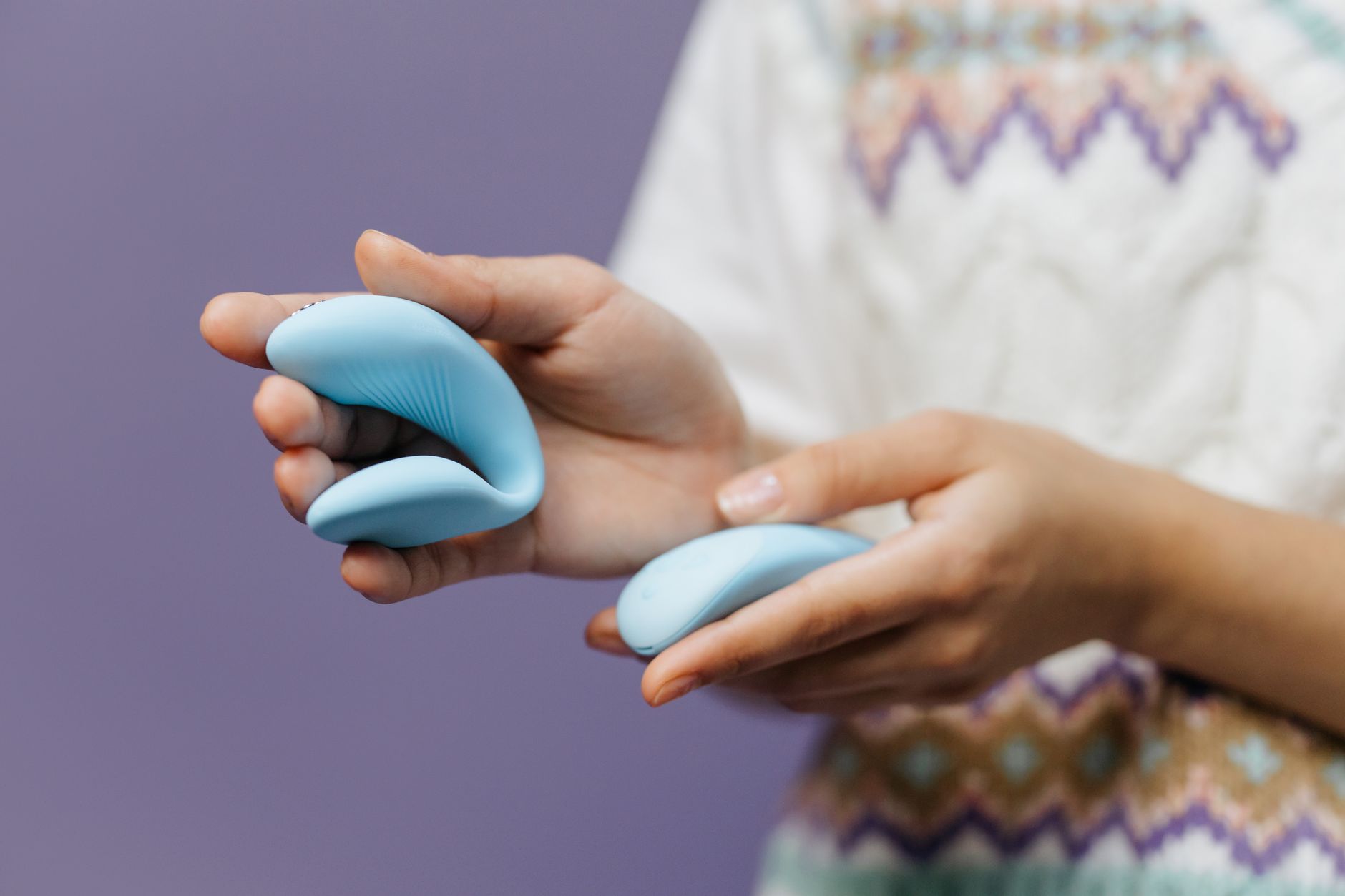
The problem with standard vibration
Let's be honest. You've tried traditional vibrators. You know the ones. They buzz, they rumble, they do their job for some people. But if you're here, they probably don't do it for you. And that doesn't mean something's wrong with your body. It means you need a different kind of stimulus.
There's a fundamental difference between vibration and suction. Vibrators create rapid back-and-forth movement against tissue. Lemon clitoral vibrators use air-pulse technology, which creates gentle suction and release patterns. One pushes; the other pulls. That distinction changes everything about how your nerves respond, how quickly you build sensation, and how intensely you can eventually climax.
Standard vibrators max out around 10,000 rpm. After a while, that's just... noise. Your nervous system adapts. You go numb. Or you need something faster, harder, or stronger than what was designed. Suction-based lemon sexual toys don't hit a wall the same way because they're working with a completely different neurological pathway.
Why suction delivers more intense sensation
Your clitoris has roughly 8,000 nerve endings packed into a space smaller than a pea. Vibration stimulates those nerves through direct mechanical pressure. Suction stimulates them through a gentler pulling sensation that somehow triggers a deeper response. Studies show that people who find standard vibrators underwhelming often report that suction-based devices feel several times more intense, even at relatively low settings.
Here's why. Suction creates a seal around the clitoral area. That seal means the stimulation is contained, focused, and building in pressure. There's nowhere for the sensation to scatter. With traditional vibration, energy dissipates across the surrounding tissue. You're stimulating a wider area with less concentrated force per nerve ending.
The lemon vibrator works in patterns. It's not just "on" or "off." The suction builds, releases, rebuilds. That rhythm mirrors natural arousal and orgasm far more closely than a steady buzz. Your body recognizes the pattern and responds faster. Many clients tell me they reach orgasm in half the time they used to, sometimes in under five minutes, because the nervous system isn't fighting an unfamiliar sensation.
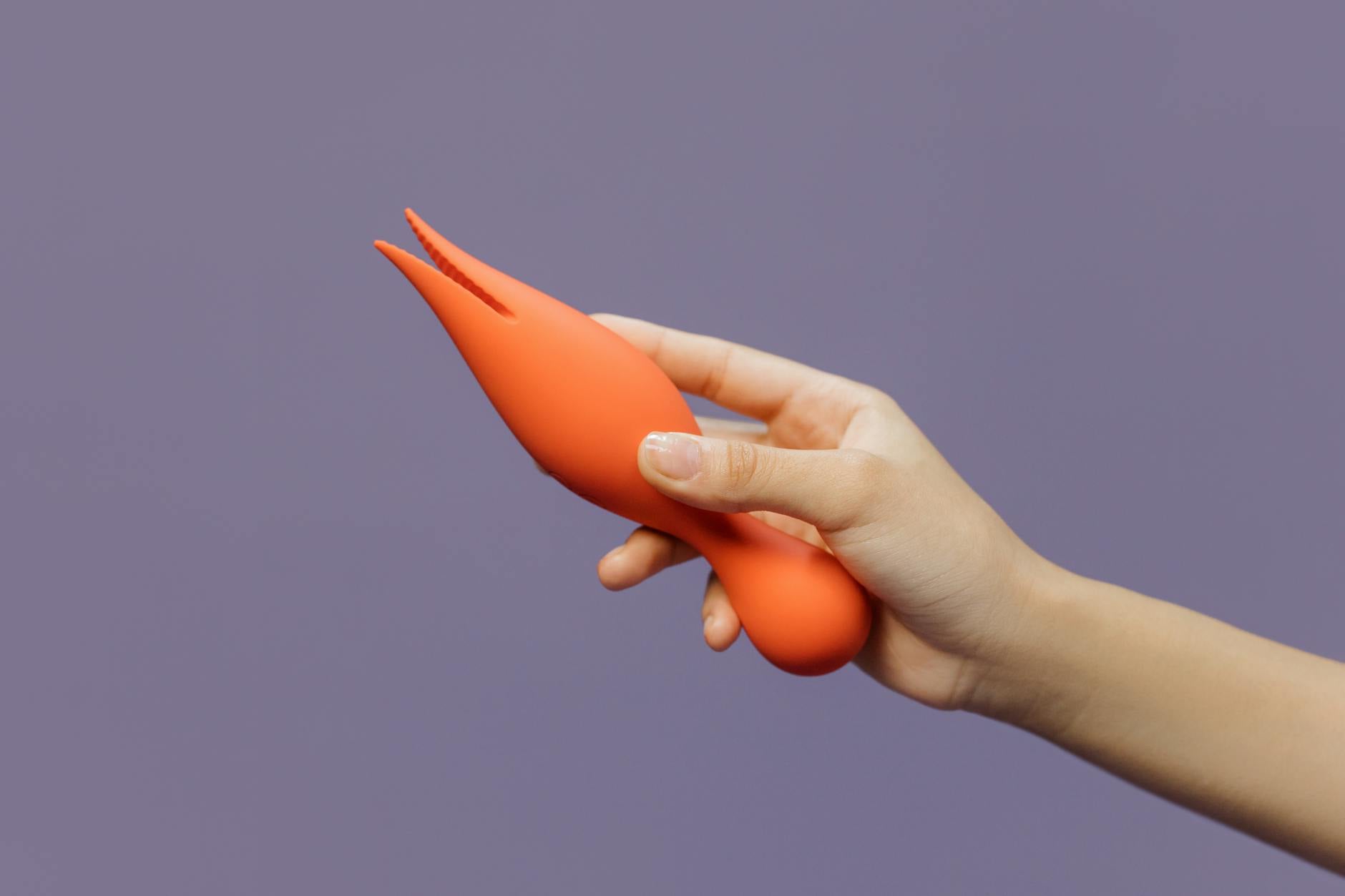
Photo by cottonbro studio on Pexels
Starting with the right intensity level
Here's where most people mess up. They assume "more intense" means "turn it to maximum immediately." Then they hate it, declare it doesn't work, and go back to what felt safe.
Don't do that. The lem vibrator comes with multiple intensity levels for a reason. Start at level 1 or 2. Seriously. Even if you think you want to jump to level 5 right away, don't. Your nervous system needs to learn what suction feels like before you ask it to handle maximum intensity.
Spend at least three sessions at the lowest setting. Pay attention to how the sensation builds. Notice the difference between the pull and release. Explore different angles. Some people prefer direct contact. Others find a tiny bit of space between the device and their clitoris changes everything. There's no wrong approach. You're gathering data.
After three to five sessions, bump up to level 2. Wait another few sessions. Let your body adapt. This isn't rushing. This is building the capacity to actually feel intensity when you reach it. If you jump straight to high settings, your body will interpret it as overwhelming, not intense. Overwhelming leads to shutdown. Intensity leads to incredible orgasms.
The role of warmup, lubrication, and timing
Intensity is easier to access when your body is already aroused. This matters with lemon clitoral vibrators more than with traditional vibrators because suction requires a slightly different relationship to lubrication.
Your natural lubrication helps the seal form better. If you're already wet, the device works more efficiently. So take 10 to 15 minutes for foreplay or solo exploration before you bring in the vibrator. Touch yourself. Think about what turns you on. Let your nervous system get ahead of your device.
If you're someone who doesn't produce much lubrication, water-based lubricant is your friend. A small amount on the rim of the device helps create and maintain that suction seal. It also prevents any micro-friction that might feel uncomfortable at higher intensities. More lube isn't always better. A quarter-teaspoon is usually enough.
Timing matters too. Hormonal cycles affect sensitivity. How to Use Lemon Vibrators When Clitoral Sensation Feels Overwhelming digs into cycle-based sensation shifts, but the short version is this. Days when you feel numb or muted are great for practicing higher intensities because your nervous system is less reactive. Days when you're hypersensitive, stick to lower levels.
Building toward intense experiences without burnout
Once you've found a comfortable intensity level, the goal is to sustain the experience, not constantly chase higher. If you're jumping to maximum intensity every time, you'll hit diminishing returns within weeks. Your nervous system will adapt, and you'll be right back where you started: numb and frustrated.
Instead, mix it up. One session at level 2, exploring different patterns and angles. Next session at level 3, but only for the final few minutes, using level 1 or 2 for the first part. Another session spent entirely at level 2, but with a partner or different scenario. This variety keeps your nervous system engaged and responsive.
Intensity isn't about the highest number on the dial. It's about variety, attention, and stimulation that meets your current state. Some of the most intense experiences happen at moderate settings because your whole body is involved, not just the device pushing harder.
When to add partnered play into the mix
Partners can actually make it harder to access intense sensation, especially if they're watching or expecting a specific outcome. If you're used to intense sensation from a device and your partner is present, your brain might go into performance mode instead of pleasure mode. Performance mode and intense orgasm don't mix.
Start with solo exploration. Get comfortable with intensity on your own terms. Once you know exactly what you like, then you can bring a partner into the picture. Show them the device. Explain how it works. How to Use Lemon Vibrators When Your Partner Doesn't Understand Why You Need One covers the conversation piece, but practically speaking, let them watch, let them ask questions, let them even hold the device for you if you want. Partnership around intensity is about communication and trust, not pressure.
Common intensity mistakes
Jumping to maximum settings immediately is the biggest one. Second biggest: assuming your clitoris isn't sensitive enough to feel anything, so you need maximum intensity to feel pleasure. Usually it's the opposite. Low sensitivity often means your nervous system is already overstimulated or flooded from previous attempts. You need rest, different sensation, and a fresh approach. Not more force.
Third: using the device while completely unprepared, expecting it to work instantly. It doesn't. A lemon vibrator works best when arousal is already present. If you're cold, stressed, distracted, or not interested, no device will fix that. Intensity comes after desire, not before it.
Fourth: using it too frequently. If you're using the vibrator multiple times a day, your nervous system stops registering it as novel or exciting. You need recovery time. Three to four times a week is a good baseline. You can adjust from there, but daily use tends to flatten sensation rather than heighten it.
Photo by cottonbro studio on Pexels
Why lemon adult toys change the game for intensity seekers
The lemon vibrator is designed around suction from the start. That's not an accident. When manufacturers were first developing this technology, they noticed something. People who felt disappointed by vibrators, people who needed more intensity, people who'd spent years chasing stronger and stronger vibrations. They reported back that suction felt different. Not just more intense, but more satisfying. More sustainable.
With traditional vibrators, there's a ceiling. You hit it, and you're stuck. With lemon clitoral vibrators, there's a depth. The patterns are complex. The intensity is customizable. The experience doesn't flatten out the same way. Your nervous system stays engaged because it's not just encountering "more of the same thing louder."
That's why people switch from standard vibrators to lem technology. It's not because they're switching to something stronger. It's because they're switching to something that works with their nervous system instead of against it.
Frequently asked questions
How quickly should I increase intensity levels?
Wait at least three to five sessions at each level before moving up. Your nervous system adapts slower than you think, and rushing means you'll overshoot your comfortable range and end up overwhelmed instead of intensified.
What if I can't feel anything even at high intensities?
First, check your lubrication and arousal level. Second, consider whether you've been using traditional vibrators very frequently. Your nervous system might be temporarily desensitized. Take a week off from any vibration and try again. If you still feel nothing, talk to a healthcare provider. Numbness sometimes signals hormonal shifts, medication side effects, or neurological factors worth exploring.
Can I use a lemon vibrator with a partner and still feel intense sensation?
Yes, but it takes communication. Let your partner know that you need focus and no performance pressure. You might prefer using it solo first, then inviting them to participate once you're already aroused. Partnership intensifies the emotional experience, which often amplifies physical sensation.
Does intensity get easier to reach over time?
Not automatically. If you're constantly chasing higher levels, sensitivity actually flattens. Intensity stays accessible when you vary your approach. Mix low, medium, and high settings. Mix solo and partnered play. Mix rushed sessions with slow explorations. Variety is what keeps intensity alive.
Should I use intensity to chase faster orgasms?
Faster isn't better. Intensity is about depth of sensation and how completely your body is engaged, not speed. Some of the most intense experiences happen at moderate settings because your whole nervous system is involved, not just the tip of the device pushing harder.
What if my partner thinks lemon sexual toys mean I'm unsatisfied with them?
That's a conversation, not a device problem. Some people worry that a partner using a toy means they're not enough. That's a relationship question, not a pleasure question. External stimulation and emotional intimacy are different things. You can feel deeply loved and still need more physical intensity. These aren't mutually exclusive.