The thing nobody warns you about
Antidepressants work. They quiet the noise in your head, stabilize your mood, give you back hours of your day. They are genuinely life-saving. And then, somewhere between week three and month four, you realize you can't feel much of anything physically anymore. Not in a bad way. In a flat way.
Your partner touches you and you register it like a text notification. A clitoral vibrator that used to send you into orbit now feels like a pleasant hum. Orgasms become theoretical. You know they're happening because of the muscle contractions, but the sensation? Gone.
This isn't rare. This isn't in your head. This is serotonin reuptake inhibition changing how your nervous system processes stimulus, and it affects somewhere between 40 and 60 percent of people taking SSRIs. Which means you're not broken. Your medication is doing its job. Your body is just speaking a different language right now.
What antidepressants actually do to sensation
SSRIs increase serotonin by preventing your neurons from reabsorbing it. More serotonin floating around sounds good until you realize that serotonin also dampens pain signals, temperature sensitivity, and orgasmic response. It's the same mechanism that makes you feel calmer and less anxious.
Think of it like turning down the volume on your entire nervous system's amplifier. Your brain gets quieter. Your body gets quieter too.
The numbness shows up in three ways: reduced sensation to touch (you have to press harder to feel anything), delayed arousal (it takes longer to get turned on), and blunted orgasm (less intense contractions, less emotional release, sometimes no orgasm at all). Some people experience all three. Some experience just one. There's no standard.
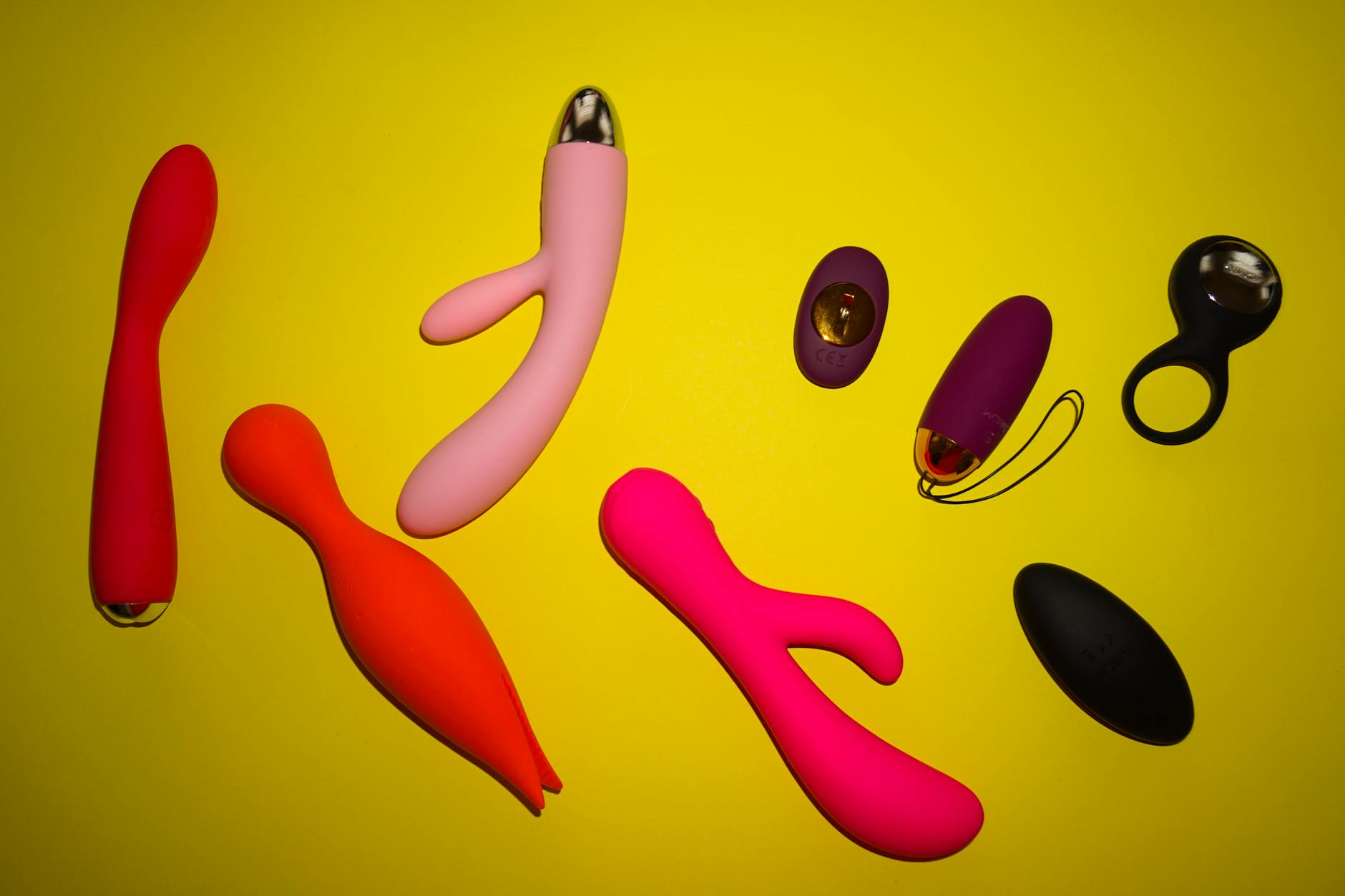
The good news? It's not permanent. And lemon clitoral vibrators work differently on a numbed nervous system than other toys.
Why lemon vibrators help when you're on antidepressants
Lemon vibrators use air-suction technology instead of traditional vibration. This means they're not trying to shake sensation back into existence. They're creating sustained pressure and release patterns that your dampened nervous system can actually register.
Traditional vibrators rely on frequency to get attention. When your nervous system is muffled by serotonin, that high-frequency buzz gets lost. Air-suction works through a different neural pathway. It creates rhythmic stimulation that's felt as a building pressure rather than a tremor. Your body recognizes it as something distinct, something happening.
I've worked with dozens of clients on SSRIs who say that the lemon feels more effective than other toys they've tried. The suction pattern creates a sequence of sensations rather than one continuous vibration. Your brain can track it, follow it, anticipate the next pulse.
It's not magic. It's just physics and neurology working together in a way that matches how your medicated body is currently processing input.
The timeline of sensation returning
First, the hard part: medication-induced sexual side effects don't follow a predictable schedule. Some people regain sensation in six weeks. Some take six months. Some need to switch medications or adjust dosage. None of this is your fault.
What usually happens is this. Week one of deliberate touch: you feel almost nothing. Weeks two through four: you start noticing the suction pattern, the rhythm, the pressure. You're not getting aroused yet, but you're aware something is happening. Weeks five through eight: arousal starts returning, slowly and inconsistently. Some days you feel it. Some days you don't. By month three or four, most people report that sensation is returning to pre-medication levels, though some intensity may stay softened.
Here's what helps: patience with yourself and understanding that this is temporary. Your body isn't broken. Your medication is working. The sensation will return.
How to use lemon vibrators when sensation is numb
Forget everything you thought you knew about the way toys "should" feel. You're starting from a different neurological baseline right now.
Start with lower intensity patterns. If you have the Lemon Clitoral Vibrator, begin at pattern one or two. Don't jump to pattern five expecting intensity. Your nervous system is already quieted. You're building a conversation with it, not forcing a response.
Spend more time than you think you need warming up. With antidepressant numbness, arousal isn't immediate. You're not broken. You're just on a longer timeline. Spend 20 to 30 minutes on touch before you bring the toy in. Let your partner touch you, or touch yourself, with no pressure to feel anything. You're remapping your nervous system's response.
Use more lubrication than you normally would. Antidepressants can also slightly reduce natural lubrication. Water-based lube gives you more sensation feedback than dry contact. It also reduces friction resistance, which means you can feel the suction pattern more clearly.
Focus on the suction pulse, not on the outcome. When you're numb, chasing orgasm creates anxiety. And anxiety actually deepens numbness. Instead, notice the pressure. Notice the release. Notice the rhythm. Orgasm may or may not happen. Either way, you're rebuilding connection with your body.
If you're using a lemon vibrator with a partner, they don't need to perform or prove anything. They're present. They can hold you, talk to you, or be quiet. The toy is doing the neurological work. Your partner is doing the emotional work.
When to talk to your doctor
If numbness has persisted past three months on the same dose, it's worth mentioning to your prescriber. Not because anything is wrong with you, but because there are options. Some doctors will gradually reduce your dose. Some will suggest adding a medication to counteract sexual side effects. Some will switch you to a different SSRI that has lower sexual impact.
Bupropion (Wellbutrin) has a lower sexual side effect profile than SSRIs. Some people switch to SNRIs like venlafaxine. Some combine SSRIs with other medications that specifically target this issue.
None of this means stopping your antidepressant. It means working with your doctor to find a version of treatment that keeps your mental health stable while letting you also feel things.
Also worth mentioning: don't try to white-knuckle through this alone. If sexual numbness is creating distance from your partner or creating shame in yourself, that's worth addressing with a therapist. I treat a lot of couples where one partner is on an SSRI and both partners are grieving the loss of physical intimacy. It's real. It's valid. And it's treatable.
What you need to know about patience
Your body will feel again. The antidepressant isn't forever suppressing your sexuality. It's temporarily turning down the volume while your brain heals. As you stabilize on your medication and your nervous system adapts, sensation returns. Some people take longer than others. Some need to adjust their meds. But almost everyone gets sensation back.
In the meantime, using tools like lemon clitoral vibrators keeps you connected to your body. It reminds your nervous system that pleasure is still possible. It prevents you from completely disconnecting from sensation during a vulnerable time.
Your pleasure matters. Your medication matters. Both are true.
People also ask
How long does sexual numbness from antidepressants last?
Most people experience some return of sensation within 8 to 12 weeks as their body adjusts to the medication. Full sensation recovery can take 3 to 6 months. For some people, slight numbness persists long-term, but it often becomes less noticeable over time. The timeline varies widely based on the specific medication, your dose, and individual neurology. If numbness hasn't improved after 3 months, talking to your doctor about dose adjustment or medication switching is reasonable.
Can you switch antidepressants to reduce sexual side effects?
Yes. If sexual numbness is significantly impacting your quality of life, your doctor can discuss alternatives. Bupropion and some SNRIs have lower sexual side effect profiles than SSRIs. Your prescriber can also sometimes add medications to counteract sexual effects while keeping you on your current antidepressant. This isn't giving up on treatment. It's finding the version of treatment that works for your whole life, including your sexuality.
Do lemon vibrators work better than other toys when you're numb?
For many people, yes. Air-suction stimulation creates a distinct pressure-release pattern that's easier for a dampened nervous system to register than continuous vibration. This doesn't work for everyone, but the suction design of lemon clitoral vibrators makes them a good choice when sensation is flattened. The key is starting at lower intensity and using extended warm-up time.
Is sexual numbness from SSRIs permanent?
No. It's a temporary side effect that improves as your body adjusts to the medication or as you and your doctor find a dose that works for you. In rare cases, slight numbness persists long-term, but complete permanent loss of sexual function is extremely uncommon. Talking to your prescriber if numbness doesn't improve within a few months is important.
Can you use a lemon vibrator while on antidepressants?
Absolutely. Using a lemon clitoral vibrator while on antidepressants is safe. In fact, staying sexually active during this adjustment period can help your nervous system maintain connection to pleasure and may support faster sensation recovery. Just adjust your expectations. You're not chasing the same intensity you experienced before. You're rebuilding sensation gradually.
What else helps with antidepressant sexual numbness besides toys?
Extended foreplay, manual stimulation, partner involvement, open communication with your doctor, therapy to work through emotional impacts, and sometimes adding a supplement like ginseng (with doctor approval) can help. But mostly it's about patience, communication, and not giving up on intimacy during the adjustment period. Some people find that mindfulness and staying present during sex helps more than any tool.
You're not broken
Antidepressants are keeping your mind stable. Your body's response right now is temporary. Sensation returns. Pleasure is waiting for you on the other side of this adjustment period. Using lemon clitoral vibrators during this time isn't settling. It's actively participating in your own healing and reconnection.
Your medication is working. Your pleasure still matters. Both things can be true at the same time. If you want to talk through how to navigate this with your partner or if you'd like personalized guidance, reach out to us. We're here.