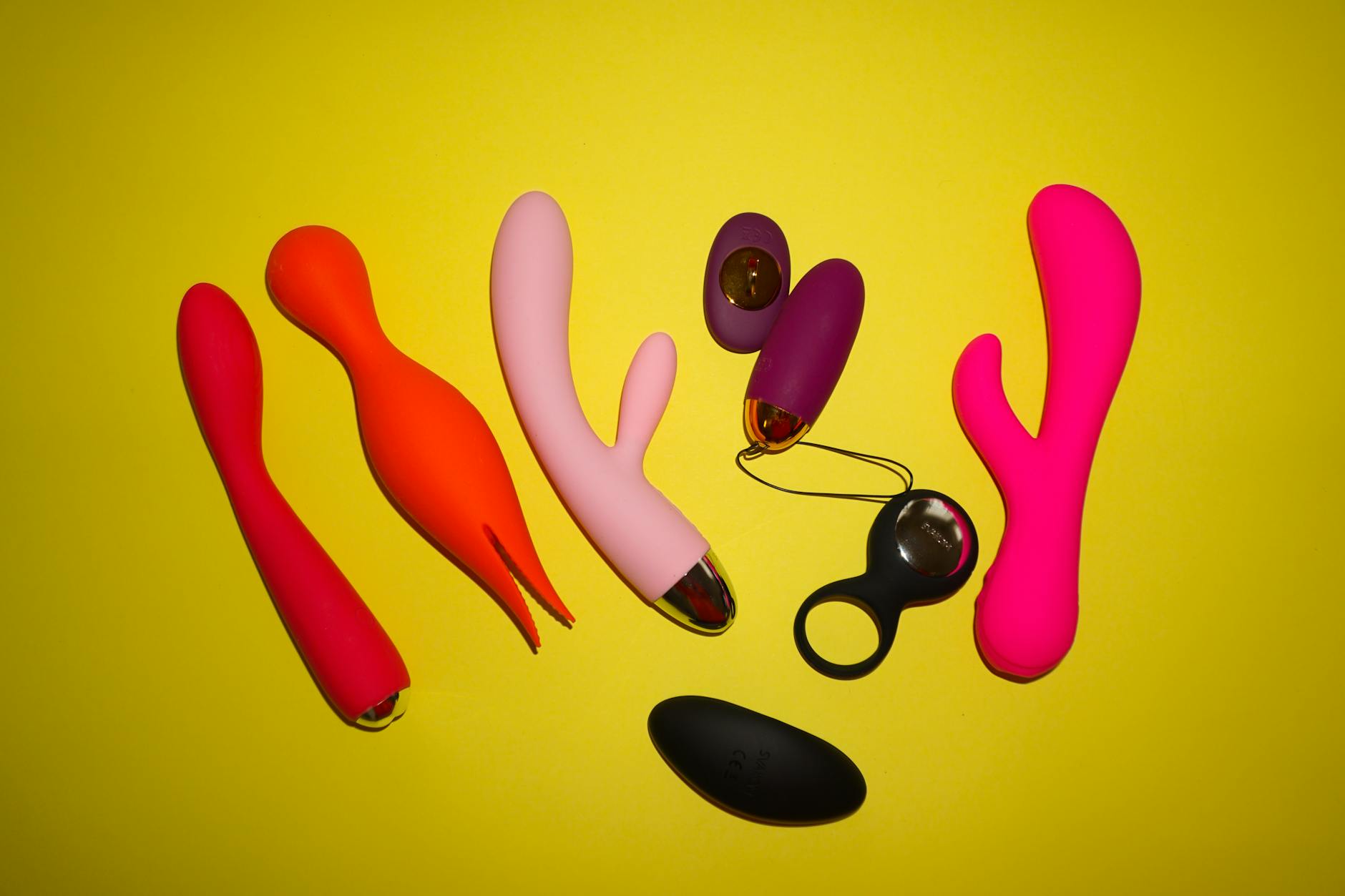
Let's name what's actually happening
Your partner thinks lemon vibrators mean one of three things: you're not satisfied with them, you're planning to cheat, or you're secretly unhappy in the relationship. None of these are true. But their fear is real, and pretending it isn't won't make it disappear.
What you're dealing with is insecurity, not logic. And insecurity can't be argued away with facts.
Here's the thing though. You still deserve pleasure. And your partner's fear doesn't get to be the reason you give that up. The path forward isn't choosing between your body and your relationship. It's learning to hold both at the same time.
Why partners resist (and it's not actually about the toy)
When someone sees a vibrator for the first time in their partner's hands, their brain does something interesting. It doesn't think, "Oh, a tool for pleasure." It thinks, "Am I not enough?"
That gap between what the vibrator actually is and what your partner believes it means is where the real conversation happens. Most resistance isn't about lemon vibrators specifically. It's about three deeper fears.
Fear one: replacement. The worry that mechanical stimulation will replace physical intimacy. That you'll prefer the toy to them. That they're becoming optional.
Fear two: inadequacy. The belief that you need a vibrator because they're not good enough. That they've failed you sexually. This one stings because people rarely say it out loud, but it's almost always running underneath.
Fear three: loss of control. Sex often feels like the last place in a relationship where intimacy and vulnerability are fully in their hands. A vibrator destabilizes that. It introduces an element they can't control, and that's terrifying for some people.
Understanding which fear your partner is actually expressing changes everything about how you respond to it.
The conversation structure that actually works
Don't lead with the vibrator. Lead with reassurance.
Find a quiet moment outside of the bedroom, outside of sexual tension, and say something like: "I want to talk about something that might feel vulnerable for both of us. I care about my pleasure, and I care about our connection. Those two things aren't in competition."
Then pause and let them respond. You're not pitching them. You're inviting them into something real.
Next, be specific about what you want. Not vague. "I've been thinking about exploring clitoral stimulation in a new way" is honest. "I need something you can't give me" is a loaded gun. Same information, different impact.
Then name their fear back to them. If they say, "I feel like I'm not enough," don't say, "That's ridiculous." Say, "That makes sense. Let me be clear about what I actually mean."
Here's what research actually shows: couples who use lemon vibrators and other sex toys together report higher sexual satisfaction and stronger emotional intimacy. Not lower. The vibrator isn't a replacement. It's an amplifier. When your partner is involved and curious, it becomes something you're exploring together, not something happening to them.
Three ways to involve your partner (if they're willing)
Scenario one: they use it on you. This changes everything psychologically. It's no longer a replacement for them. They're literally in control of your pleasure. The power dynamic is yours, not the toy's. Many partners who were resistant become genuinely enthusiastic once they experience how their partner responds to stimulation they're delivering.
Scenario two: you use it together during partnered sex. A lemon vibrator can enhance clitoral stimulation during penetration or foreplay. Your partner is still fully present. The toy is just layering sensation. You're not choosing between them and the device. You're choosing both.
Scenario three: they hold it while you guide. This keeps them engaged without requiring them to figure out angles or patterns. You're directing the experience. They're delivering it. It's a collaboration.
Start with whichever feels least threatening to them. Don't jump straight to "Now hold this on my clitoris." Frame it as exploration, not instruction.
What to do if they're still resistant after this
Some partners won't budge. They'll say no, they'll say they're uncomfortable, they might even say they'll leave if you bring it up again. And that's when you need to make a choice about what your own pleasure is worth.
Here's what I tell clients: your body belongs to you. Your orgasms belong to you. A partner who says you can't explore your own pleasure, alone or otherwise, is setting a boundary that goes beyond sex. That's a control issue, not a comfort issue.
You can use a lemon vibrator privately. You can have solo sessions. You can explore your own body without permission. This isn't about secrecy or dishonesty. It's about autonomy. If your partner finds out and feels betrayed, that's a deeper conversation about what kind of relationship you actually want. Some couples move past this. Some don't.
The middle ground that might surprise you
Many relationships land here: your partner says, "I don't want to watch," or "I don't want to participate," but they're okay with you using lemon vibrators alone. This is not the same as a yes. But it's not a no either. It's a boundary you can work with.
In this setup, you get your pleasure. They get their comfort. It's not ideal. But it's honest. And it beats the alternative, which is resentment building quietly on both sides.
When to consider couples counseling
If your partner's resistance is part of a larger pattern of controlling your body, your choices, or your sexuality, that's not a vibrator problem. That's a relationship problem. And it deserves professional support.
A good couples therapist can help you both understand what's driving the resistance and whether you actually have the foundation for moving past it. Sometimes therapy reveals that the vibrator is just the symbol. The real issue is trust, or respect, or power dynamics that have been festering for years.
The reality check
Your partner's discomfort is real. So is your right to pleasure. These can coexist. But they can't coexist if one of you is pretending the other's feelings don't matter.
Using a lemon vibrator when your partner resists means being willing to have uncomfortable conversations. It means being clear about what you want and why. It means not apologizing for your body. And it means being honest about whether this is a relationship where you can actually be fully yourself.
That's the real negotiation. Not the toy. The trust.
People also ask
How do I know if my partner's resistance is normal or controlling?
Normal resistance: "I'm uncomfortable with this idea, can we talk about it?" Controlling resistance: "If you use that, I'll leave" or "You can't touch yourself without my permission" or "I don't want you thinking about it." Control shows up as ultimatums, isolation, or demands that you give up autonomy over your own body. Discomfort is a feeling. Control is a pattern. If you see a pattern, that's worth taking seriously.
Can a vibrator actually ruin a relationship?
No. But unresolved conflict about pleasure can. The vibrator is just the flashpoint. If your relationship can't handle a conversation about sex and boundaries, you've got bigger problems than lemon vibrators. Those problems will show up somewhere else if they're not addressed here. The toy isn't the threat. The communication gap is.
What if my partner agrees to try but seems hurt or angry during sex?
Stop. Check in. Ask what they're feeling. Sometimes what looks like anger is actually hurt that hasn't been processed. Sometimes people agree to things they're not ready for, and then resentment leaks out during the experience. It's better to pause than to push through. The goal isn't to prove that vibrators are fine. The goal is connection.
Is using a vibrator secretly better than the conflict?
Temporarily, maybe. Long-term, no. Secrets erode trust way more than disagreements do. If you're hiding your pleasure, you're accepting the narrative that it's something to be ashamed of. And that shame will calcify into something harder to fix than the original resistance was.
How do I bring this up if we've never talked about sex toys before?
Don't start with the vibrator. Start with desire. "I've been thinking about what turns me on, and I want to explore it more." That opens the door without immediately triggering defensiveness. Once that door is open, you can introduce the specifics. Frame it as personal exploration, not a critique of them or your relationship.
What if my partner actually wants to use lemon vibrators but I'm the one who feels self-conscious?
That's different territory. If your partner is enthusiastic and you're the one hesitating, the work is on your end. Acknowledge what you're feeling. Is it shame? Performance pressure? Fear of being seen? Get specific. And consider whether you're comfortable with pleasure at all, or just with a specific kind of it. Sometimes our resistance to toys is really resistance to feeling good. That's worth exploring, ideally with a therapist.
The bottom line
If your partner resists lemon vibrators, the first instinct is usually to hide or abandon the idea. But your pleasure isn't negotiable. Neither is your partner's right to their feelings. The work is holding both truths at once and building a conversation honest enough to contain them.
That takes courage. But you're already doing it by asking these questions. Keep going.
Resources and further reading
For couples navigating sex toy conversations: Esther Perel's Mating in Captivity offers frameworks for maintaining desire in long-term relationships. The Gottman Institute publishes research on sexual intimacy and trust that might help you contextualize your own situation. And if you decide to work with a therapist, look for someone trained in sex-positive approaches who won't dismiss your pleasure as frivolous. Your sexuality deserves that level of care.
If you've hit an impasse with your partner and want support navigating the conversation, reach out here. Sometimes having a neutral third party help you find the words makes all the difference.