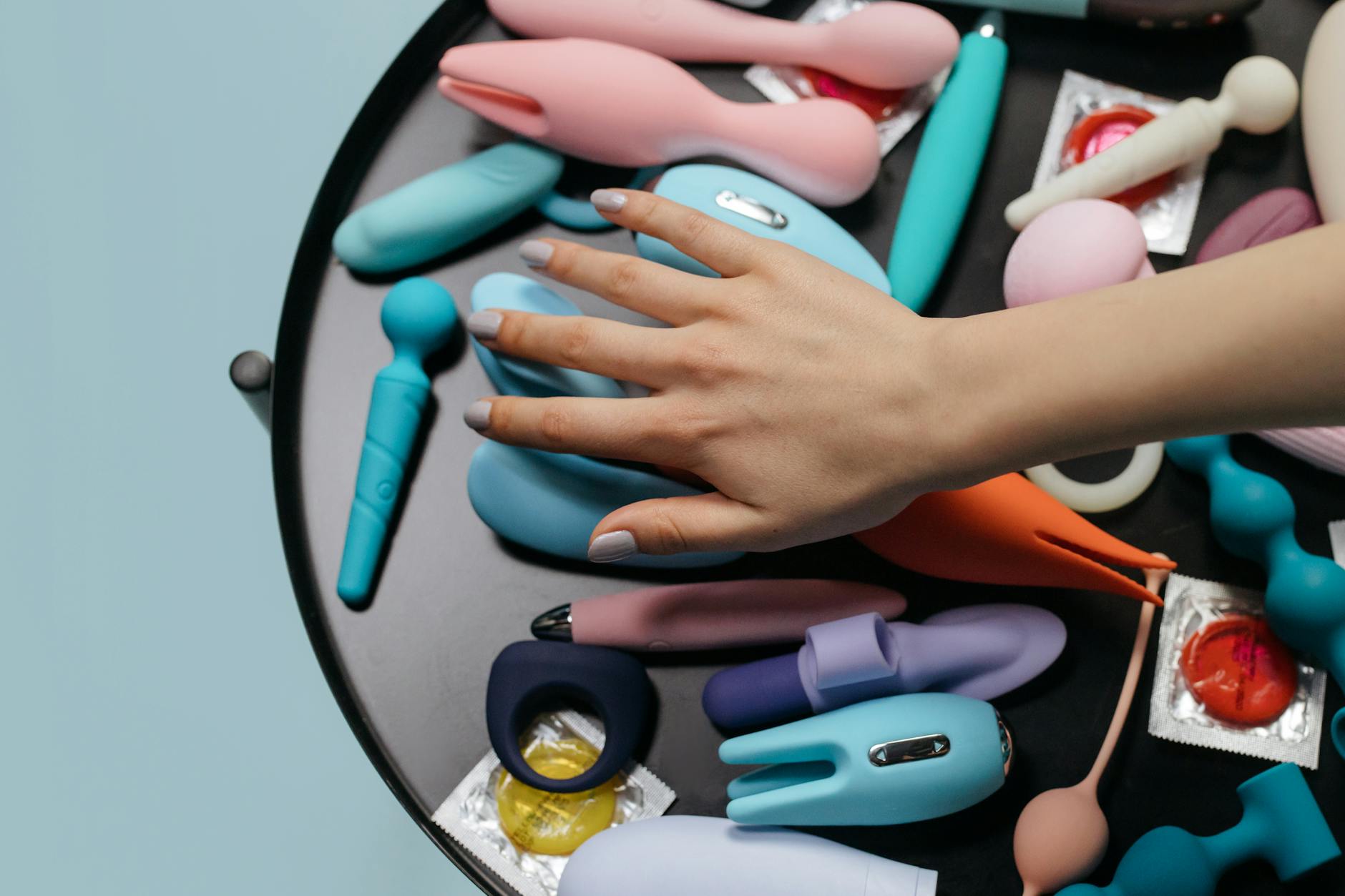
The mismatch nobody talks about
Let's be real. You bought a lemon vibrator because you wanted something for yourself. And now your partner wants to be involved every time you use it, or they're hurt that you prefer solo play, or there's this weird tension hanging over the whole thing where pleasure has become another item on the negotiation list.
This is wildly common. And it's solvable. But not by compromising on what actually works for your body.
Why solo play matters
Using a lemon clitoral vibrator alone isn't rejection. It's the opposite. It's you understanding exactly what you need, at what pace, with what intensity, without having to manage someone else's feelings in the middle of it.
When a partner is present, your nervous system is doing double duty. You're tracking their breathing, their reactions, whether they're bored or getting tired. You're moderating your sounds. You might be thinking about how you look instead of how you feel. That's not intimacy. That's performance, and it burns out fast.
Solo play with your Lemon Vibrator is the opposite of that. It's you meeting yourself exactly where you are. No apologies. No audience.
The difference between solo pleasure and partnered distance
Here's what gets confused: preferring to use your lemon vibrator alone sometimes is healthy self-knowledge. Refusing to ever include your partner or hiding it is distance.
They're not the same thing, and your partner needs to understand the difference.
One is a boundary. One is avoidance. You can have boundaries and still be intimate. You cannot avoid intimacy and still build trust.
The conversation starts by naming which one you actually need.
How to talk about it without guilt
Most people lead with apology. "I'm sorry I want this time alone." Stop. You have nothing to apologize for.
Instead: "I need time alone with my vibrator because my body responds differently when I'm solo. It's faster. I'm more present with myself. This isn't about you. It's about me knowing exactly what I need and having the freedom to explore it without managing anyone else's experience."
Then listen to what they're actually afraid of. Ninety percent of the time, it's not "I want to watch you come." It's "Are you still interested in me sexually?" or "Does this mean something's wrong between us?" or "Am I going to lose you to something you enjoy more than me?"
Those are solvable fears. The toy isn't the problem.
Setting boundaries that actually hold
A boundary that's not clear is just a suggestion. Here's what clear looks like:
You might say: "Tuesday and Thursday nights are my time. I'm using my Lemon Vibrator alone. I'll be about thirty minutes. You can read, go for a walk, be in another room. After, I'd love to spend time with you if you want that." This tells them when, where, and what comes after. No ambiguity.
Or: "I want to explore this by myself first. Once I'm really comfortable with what I like, we can talk about you being involved sometimes. But not yet." Timeline matters. People can hold a boundary if they know it's not forever.
Or: "Solo play works for my body. Partnered play also works for my body. But they're different things, and I need both." This one's especially powerful because it's not either-or.
The key: you're not asking permission. You're informing them of a need.
What it looks like when you honor both
Let's say your partner agrees. What now?
First, follow through. Use your solo time. Don't abandon it out of guilt. That teaches them their discomfort matters more than your pleasure, which poisons the whole dynamic.
Second, stay connected outside the bedroom. Sex isn't the only place intimacy lives. If you're emotionally distant or withdrawn when you're not using your lemon vibrator, they will link the two. Instead, make sure you're cuddling, talking, laughing, being present.
Third, if you want to sometimes include them, make it clear that's separate from your solo time. Bring them in on your terms, not to fix the fact that solo pleasure bothered them. If you do this, you're building resentment.
What to do if they push back hard
Some partners won't accept this. They'll argue that a real relationship means full transparency in the bedroom. That your body should be accessible to them whenever they want. That toys are a threat.
Those are control issues wearing intimacy's clothes. That's different from a partner with hurt feelings who's willing to work through them.
If your partner is refusing to respect a reasonable boundary about your own body and your own pleasure, that's a conversation for a couples therapist, not a sex toy guide. Boundaries aren't negotiable because your body isn't negotiable.
The relationship part (the part that matters)
Using your lemon clitoral vibrator solo will not damage your relationship. Lack of honesty will. Using it while pretending you don't or hiding it will. Using it and then becoming withdrawn will.
But being clear, being consistent, and staying emotionally connected outside of sex while honoring your own pleasure? That actually deepens trust because you're modeling self-respect.
Your partner doesn't need to understand your pleasure. They need to respect it. There's a difference, and it matters.
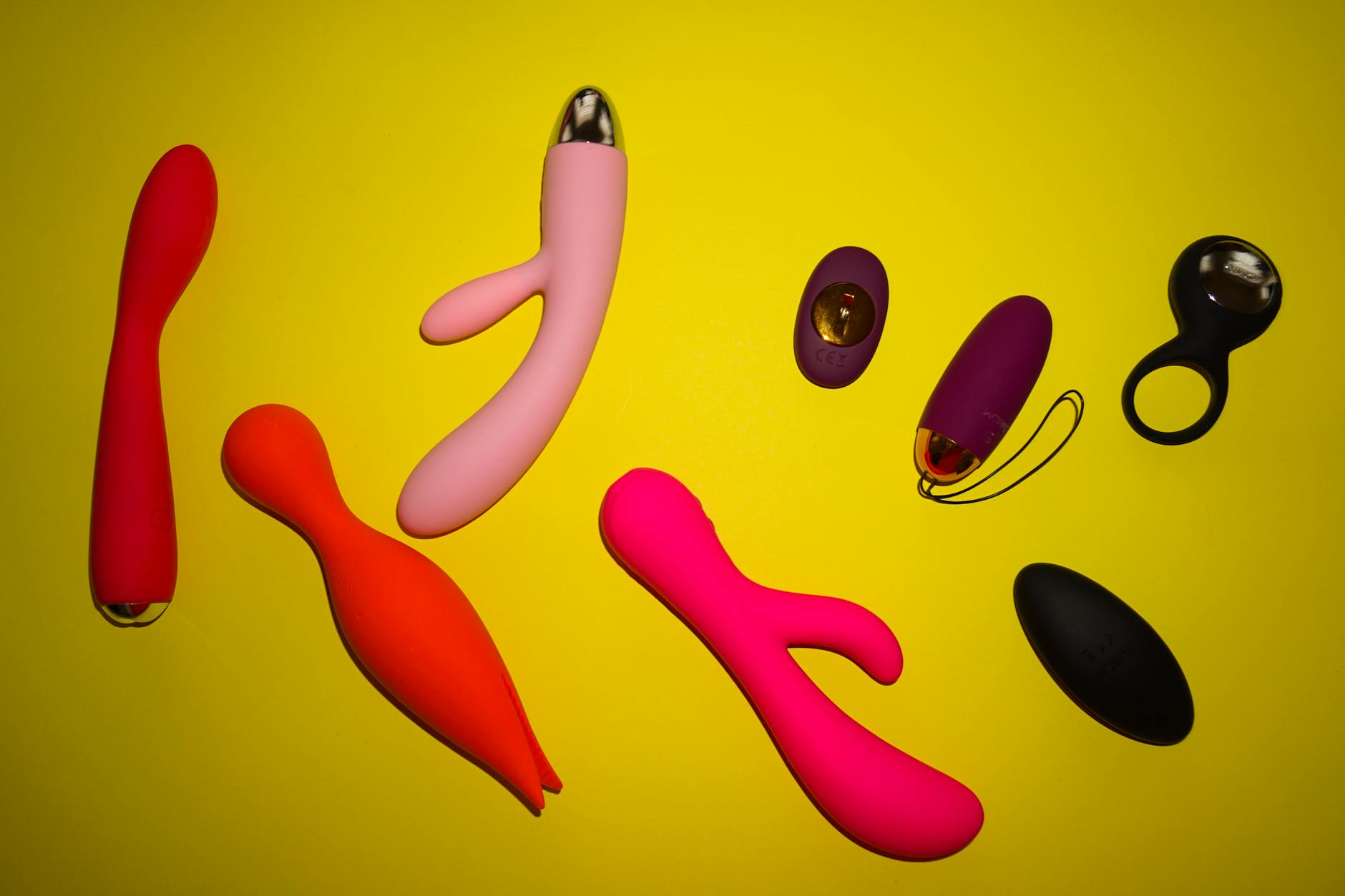
Photo by FounderTips on Pexels
Why this matters beyond toys
What you're actually building is the ability to ask for what you need, state it clearly, and not shrink yourself when someone else feels uncomfortable. That skill translates everywhere.
Partners who can handle you using a lemon vibrator solo tend to be partners who also respect your career choices, your friendships, your boundaries around time alone. It's not really about the toy. It's about whether they trust you to have an interior life that doesn't revolve around them.
Solidly built relationships have room for solo pleasure. Real ones do.
Common patterns that hurt
Watch for these: negotiating how often you can have solo time (you don't need permission, but you do need consistency). Feeling guilty during your solo time instead of present. Making solo play a punishment for not being available enough to your partner. Bringing resentment into partnered sex because you feel like you had to "earn" your solo time.
These patterns kill intimacy faster than the vibrator ever could.
What changes when you own it
Once you stop apologizing for solo play, something shifts in how you show up with your partner. You're more confident. You're not carrying guilt into the bedroom. You're not resentful because you got what you needed. You're actually more available to them because you're not depleted.
A lot of couples therapy problems disappear when one person finally says, "I need this." And the other person stops fighting it.
Your lemon vibrator isn't a threat to your relationship. How you treat yourself and your needs, how clearly you communicate, and whether your partner respects your autonomy. Those are the actual relationship. The vibrator is just the thing revealing whether those are solid.
FAQ: Solo Play and Partnership Dynamics
Why does my partner feel threatened by my solo vibrator use?
Often it's not about the toy. It's about control, insecurity about their own sexual worth, fear of being replaced, or growing up in a culture where women's pleasure wasn't discussed or validated. These are real fears. They're also their work to do, not yours. You can be compassionate and still hold your boundary.
Is using a lemon vibrator alone without telling my partner dishonest?
It depends on the relationship agreement. Some couples are explicit about solo play being part of normal sexuality. Others need to discuss it first. What matters is that you're not actively hiding something you've agreed to be open about. Private isn't the same as secretive.
Can I compromise by letting my partner watch sometimes but keep some solo time?
Yes, if you actually want them to watch. But "compromise" shouldn't mean you give up what works for your body to make them comfortable. If you prefer solo play and you're only inviting them to watch to appease them, you're resentment-building. That's different from wanting both experiences.
What if my partner says solo vibrator use is cheating?
That's not a reasonable frame, and it's worth pushing back. Cheating involves deception and violating an agreement. Using your own vibrator on your own body, especially if it's been discussed or agreed to, is self-care. If your partner defines it as cheating, you need a couples counselor to help you navigate what's actually happening beneath that fear.
How do I know if my partner's discomfort is reasonable versus controlling?
Reasonable discomfort comes with curiosity and willingness to understand. "I'm scared because I feel left out" is different from "You can't use that." Reasonable discomfort softens when you offer reassurance. Controlling discomfort hardens and finds new reasons why your boundary is wrong. Pay attention to the pattern, not just the first conversation.
Should I stop using my lemon vibrator if my partner really hates it?
No. Stop using your body on your terms, and you stop respecting yourself. That teaches your partner that their discomfort overrides your autonomy, which poisons the relationship. Instead, get help from a therapist to figure out what's actually driving their response. Solo pleasure isn't the problem.
Your pleasure isn't a negotiation. How you include your partner in your sexual life can be. But your right to solo play? That's non-negotiable. The relationship works better when both of you know the difference.