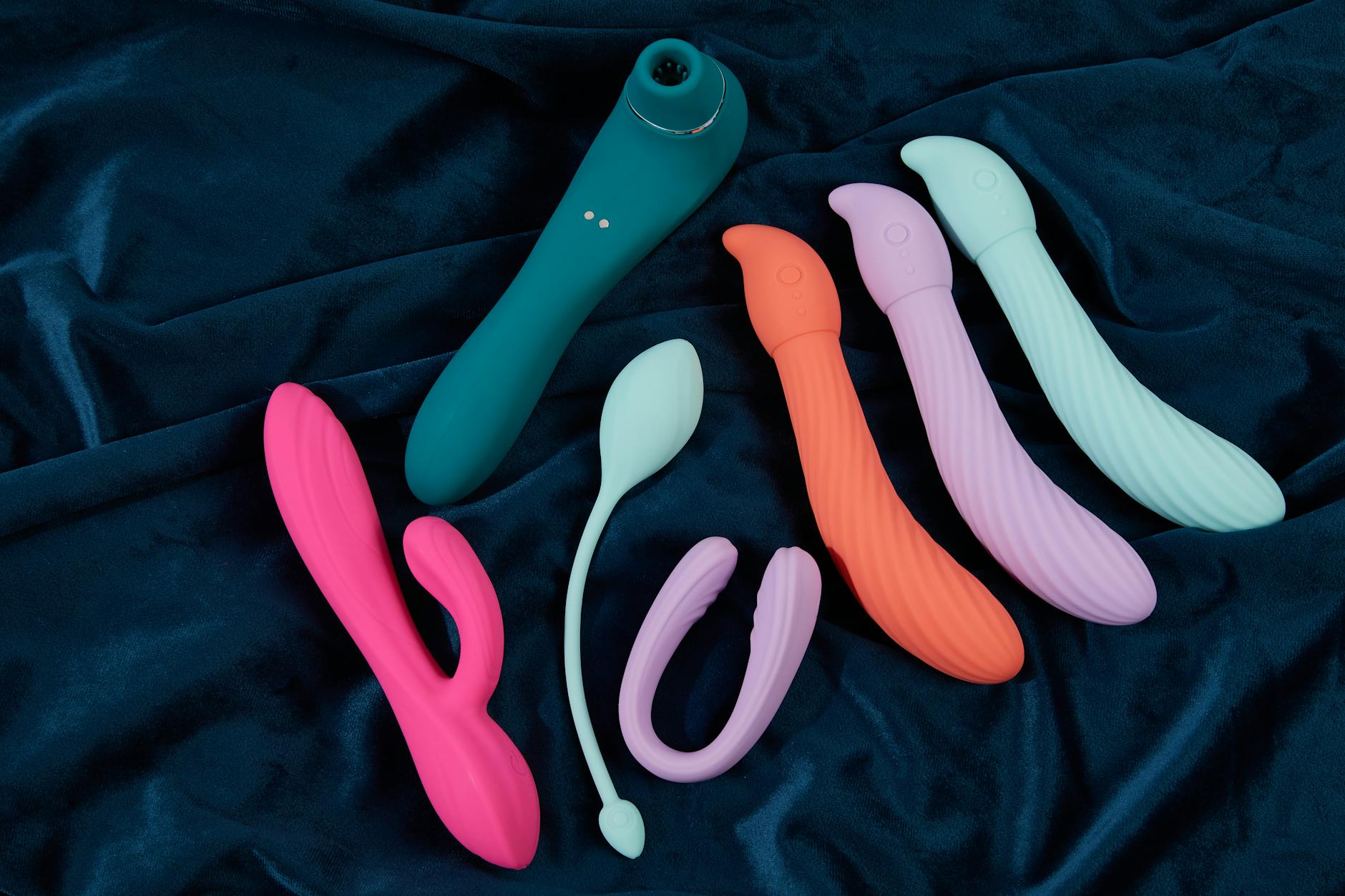
Here's the truth about sensitive skin and pleasure devices
Sensitive skin doesn't mean you can't use lemon vibrators or any clitoral vibrator. It means you need to be more intentional about materials, lubrication, and how you introduce stimulation. The good news is that most of the best lemon sexual toys on the market are designed with this in mind.
I've worked with hundreds of people who thought sensitivity ruled out vibrators entirely. Once they switched to the right tools and technique, that changed completely. Your skin barrier matters. So does your pleasure.
Why material is everything
The biggest trigger for sensitive skin isn't vibration itself. It's the material your device is made from. Here's what actually works:
Medical-grade silicone is the gold standard. This isn't marketing language. Silicone is hypoallergenic, non-porous, and doesn't harbor bacteria the way porous materials do. A quality lemon vibrator made from medical-grade silicone won't leach chemicals, won't degrade from lubrication, and won't accumulate microbes that trigger irritation.
Acrylic and glass are also safe alternatives if you prefer them. They're non-porous, easy to clean, and completely inert. Some people with extreme sensitivity actually prefer these because there's zero chance of silicone degradation over time, though quality medical-grade silicone is honestly as stable as it gets.
What to avoid: jelly rubber, PVC, and anything labeled just "plastic" or "TPE" (thermoplastic elastomer). These materials are porous, soften with heat, and can leach phthalates and other plasticizers. If the toy doesn't clearly state the material, assume it's not suitable for sensitive skin.
The suction approach changes everything for sensitive users
Most traditional vibrators create stimulation through direct vibration. If your skin is reactive, that sustained friction and pressure can trigger inflammation even if the material is safe.
Suction-based clitoral vibrators like the Lemon work differently. Instead of rubbing against tissue, they create a gentle seal and pulse, stimulating nerves without friction. This is a game-changer for sensitive skin because you get intense sensation with minimal contact irritation.
Think of it as the difference between massage and pressure. A suction toy creates pressure waves. A traditional vibrator creates friction. For reactive skin, pressure usually wins.
How to prep your skin before pleasure
Four steps make a real difference:
Check your barrier first. If your skin is currently inflamed, compromised, or dealing with an active yeast infection or bacterial issue, pause. Wait until your skin has recovered. Using any toy during an active infection will intensify irritation and delay healing.
Use only water-based lubricant. Silicone-based lubes feel luxurious but can degrade silicone toys over time, releasing microparticles that irritate sensitive tissue. Water-based is not a compromise. High-quality water-based formulas feel incredible and won't damage your device or your skin barrier.
Start at the lowest setting. If you're using a lemon clitoral vibrator for the first time with sensitive skin, begin at pattern 1 or the gentlest suction level. Your nervous system needs a moment to adjust. You can always increase intensity. You can't un-irritate your skin.
Warm up first. Blood flow makes a huge difference. Spend 10-15 minutes with yourself before introducing the toy. Touch your whole body. Let arousal build naturally. Your tissue will be more resilient and responsive when blood is already flowing.
Common irritants hiding in your routine
Sometimes the toy isn't the problem. Something you're doing before or after is.
Wash everything with fragrance-free, pH-balanced soap or toy cleaner. Residual soap, cologne, or body wash left on your toy will migrate to sensitive tissue and cause inflammation. This happens more often than people realize.
Same goes for what's on your hands. If you've just applied lotion, moisturizer, or sunscreen, rinse your hands before touching yourself or your toy. Those products might be fine for your face or arms but will irritate intimate skin.
After pleasure, rinse gently with warm water. Don't use soap down there unless you're using a toy-specific cleanser. Your body's natural pH is delicate. Plain water is usually enough.
The difference between sensitivity and an actual allergy
Most people aren't allergic to silicone. What they're experiencing is irritation from heat, friction, lube incompatibility, or residue on the toy.
True silicone allergy is rare. If you develop itching, burning, hives, or swelling that appears within minutes and doesn't resolve after you've rinsed thoroughly and removed the toy, you might have a genuine allergy. Talk to your doctor.
But first, troubleshoot: Was the toy clean? Was your skin already compromised? Did you use water-based lube? Was it your first time using any toy? Most sensitivity resolves once you address the actual irritant.
Building your sensitivity-friendly routine
Start with one lemon sexual toy. Give yourself 4-6 sessions to acclimate. Your tissue will build resilience.
Keep a simple log: What toy, what setting, what lube, how did your skin feel afterward and the next day? This data is gold. After a few sessions you'll know exactly what your body needs.
Increase intensity gradually over weeks, not days. Your nervous system adapts, but patience works better than enthusiasm here.
If you want to try multiple toys eventually, space them out. Don't introduce two new sensations in one week. Your skin needs time to adjust to each one.
When to see a dermatologist
If irritation persists after you've switched materials, changed lubes, and been patient, get it checked. Sometimes sensitivity is actually a symptom of something like lichen sclerosus, hormonal shifts, or chronic inflammation that's unrelated to the toy.
A dermatologist familiar with genital skin can tell you what's actually happening and whether you need treatment before continuing. This isn't a failure. It's information.
Most people with genuine skin conditions can still use toys once they understand what triggers inflammation and how to work with their body instead of against it.
The bottom line
Sensitive skin and pleasure aren't mutually exclusive. You just need the right tool. Medical-grade silicone lemon vibrators, suction-based stimulation, water-based lubrication, and a slow introduction make all the difference. Your sensitivity is real. So is your right to feel good.
People also ask
Is medical-grade silicone really hypoallergenic?
Yes, when it's actual medical-grade silicone and not mislabeled TPE marketed as silicone. Medical-grade silicone is non-porous, doesn't break down, and won't harbor bacteria. The key is buying from brands that are transparent about materials. If a product doesn't specify "medical-grade silicone" or provide a material safety sheet, it's a red flag.
Can I use my lemon clitoral vibrator if I have eczema or dermatitis?
Maybe. It depends on how active your condition is. If you're in a flare with broken skin or significant inflammation, wait. Once your skin has calmed and you're in a stable phase, start with a suction toy like a quality lemon vibrator, water-based lube only, and the lowest setting. Some people find that suction actually feels gentler than vibration on eczema-prone skin, but patch-test your tolerance first. If it irritates you, stop.
What's the safest lubricant for sensitive skin and toys?
Water-based, fragrance-free, paraben-free lubrication. Look for formulas with minimal ingredients. Anything with added flavors, warming agents, or essential oils is more likely to trigger irritation. Plain, high-quality water-based lube is boring on purpose. That's the point.
Do I need to use lubricant with a lemon suction vibrator?
Not always. Suction toys can work without lube because they create a seal rather than relying on friction. That said, a tiny bit of lube can make the experience more comfortable, especially if your tissue is naturally dry. Experiment at low intensity first without lube, then add a small amount if you want more comfort. Let your body tell you.
How often can I use a vibrator if I have sensitive skin?
As often as you want, as long as your skin tolerates it. There's no medical limit on vibrator use. If you can use it daily without irritation, you're fine. If you notice inflammation building up, take a day or two off and reassess your technique, lube, or toy cleanliness. More rest doesn't equal more sensitivity. Sometimes your body just needs a minute.
Can sensitivity to toys improve over time?
Absolutely. Your tissue is living and adaptive. The more you use a body-safe toy with proper lubrication and care, the more resilient your skin becomes. Many people find that after a few weeks of consistent, careful use, minor sensitivity resolves completely. Your body learns. Patience works.