The thing no one tells you about divorce and pleasure
Divorce is a full-body reckoning. You're untangling finances, logistics, identity. What rarely gets discussed is how it rewires your relationship with pleasure. Your body spent years calibrated to someone else's rhythm, expectations, timing. Then suddenly that feedback loop vanishes. You're alone with your own nervous system, and it feels foreign.
Many divorced women I work with describe a weird numbness. Not depression exactly. More like their pleasure receptors forgot how to fire independently. Some describe shame around the body itself. After years of sexual negotiation, compromise, or sometimes just endurance, the idea of touching themselves for their own sake feels almost transgressive. Others feel genuine pleasure but float through it without really inhabiting the experience. They're on autopilot, performing for an audience that no longer exists.
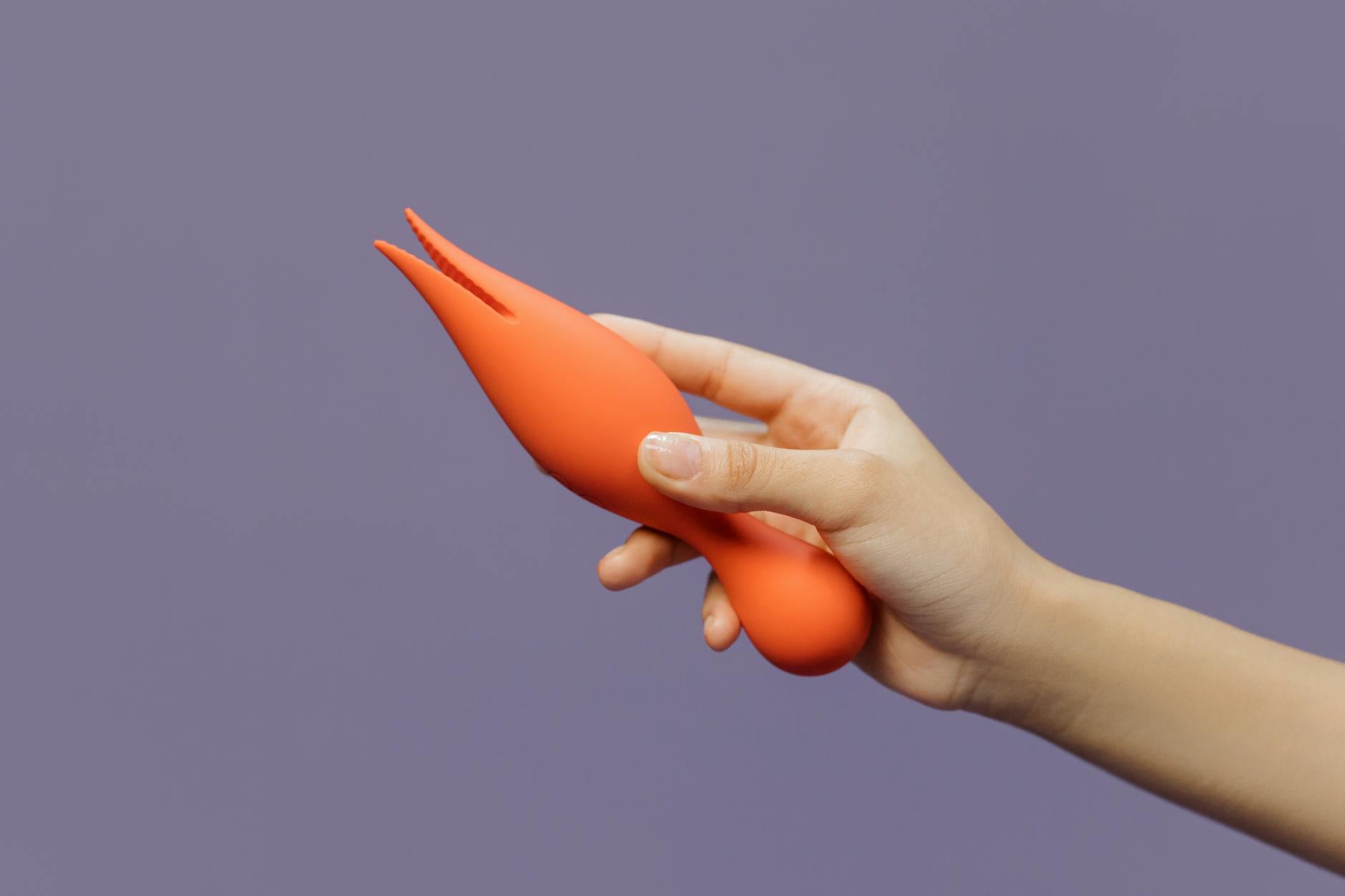
Here's what I've found: lemon clitoral vibrators like the Lem become a bridging tool. Not because toys fix emotional wounds. But because they create a straightforward feedback loop between your body and your brain. No negotiation. No history. Just sensation. And sensation is where healing starts.
Why divorce specifically disrupts pleasure response
Think of pleasure like a muscle with muscle memory. If you've spent 5, 10, 20 years having sex within a certain script, your nervous system learns that script. Your arousal pattern, your orgasm timing, the way you breathe, the thoughts that work. That's not shallow. That's your body being smart and efficient.
Divorce doesn't just remove that script. It often involves trauma around sex itself. Maybe sex became transactional. Maybe it stopped mattering. Maybe there was coercion or resentment baked in. Even in amicable splits, your body might carry the imprint of "sex as compromise" rather than "sex as pleasure."
When you're alone again, arousal doesn't automatically reset. Your nervous system is still running the old code. Your clitoris doesn't magically remember how to respond to stimulation that's purely for you. You have to relearn it. And that relearning is uncomfortable. It requires being present in your body when you've spent years learning to leave it.
Lemon vibrators sidestep some of that discomfort because they're so direct. The suction technology on the Lem doesn't ask your body to perform. It doesn't require you to have a partner's rhythm, doesn't create space for shame or self-consciousness. It's just: here's consistent, focused stimulation. Respond or don't. Nobody's keeping score.
The specific ways clitoral suction helps divorced women
Three things happen when divorced women use lemon sexual toys like the Lem that make the rebuilding process different than I'd expect.
First, they reclaim ownership of sensation. For years, pleasure might have been something you received or managed or orchestrated for someone else. With a clitoral vibrator, pleasure is something that happens to you, for you, by you. The Lem's suction creates a distinct physical experience that's hard to dissociate from. You can't zone out into your phone. Your body demands attention. And that attention feels radical when you've been trained to be a passenger.
Second, they rebuild confidence in their own nerve endings. Divorce often brings a quiet question: will my body ever work right again? Especially if sex became difficult or fraught. The first time you use a lemon vibrator and it works, something shifts. Your body isn't broken. Your clitoris still has sensation. You're not permanently damaged. That's not nothing.
Third, they create a safe space to renegotiate pleasure without pressure. When you're dating again post-divorce, there's often anxiety. Will sex be weird now? Will your body cooperate? Will you enjoy it? Using lemon adult toys on your own timeline, in your own space, gives you a chance to figure out what you actually like before you share your body with someone else again. You get to know your own preferences in a way that divorce often disrupts. And you can explore those preferences without judgment.
The practical realities of rebuilding with a clitoral vibrator
Let's be concrete. Here's what I usually recommend to divorced women starting out with lemon vibrators.
Start with low intensity and no agenda. The Lem has intensity levels for a reason. Start at level 1 or 2. Your goal is not orgasm. It's sensation. It's getting your nervous system to recognize pleasure as something that can happen without negotiation or expectation. Spend time just noticing what the vibrator feels like. That's the work.
Set time and space like it matters. Because it does. Not in a spiritual, sacred-ritual way. But practically. Your nervous system needs to know: this is time for you. This is protected space. Lock the door. Put your phone face-down. Give yourself 20 minutes where you're not managing anyone else's needs. That's the container your body needs to relax enough to feel anything at all.
Expect your mind to wander and do it anyway. Most divorced women struggle with intrusive thoughts during solo pleasure. Your ex. Your kids. Your mortgage. Your body wondering "is this weird to be doing this alone." That's normal. Let the thoughts pass. Don't grip them. Just notice, and gently return to sensation. Your brain is rewiring itself. That takes repetition.
If sensation feels numb, lean into curiosity rather than frustration. Sometimes bodies that have been through sexual stress take time to wake up. That numbness isn't permanent. But it's also not fixed by forcing intensity. Lower intensity, slower pace, more time. The Lem's air-suction technology is gentler than vibration for reawakening sensitivity. That matters when your nervous system is dysregulated.
The emotional part nobody talks about
Using lemon clitoral vibrators during and after divorce involves more than mechanics. There's often grief mixed in. You might feel pleasure and then sadness. You might feel pleasure and then guilt. You might feel pleasure and then remember why you're alone and then have to feel the pleasure again anyway.
That's normal. You're separating pleasure from partnership. That's a profound untangling. It takes time. And it's worth it. Because on the other side of that work is pleasure that's genuinely yours. Not negotiated. Not performed. Not mixed with someone else's needs.
When to get support beyond a vibrator
If using a lemon vibrator brings up significant distress around sex trauma, get a therapist. Preferably one trained in somatic trauma or EMDR. A vibrator is a tool. It's not therapy. If you can't feel pleasure even with consistent, gentle exploration, talk to your doctor. Sometimes dysregulation has a medical component. Low testosterone. Low estrogen. Medication side effects. Those are solvable.
If you're struggling with shame specifically around sexuality after divorce, that's worth unpacking with someone who specializes in sexual health. Pleasure after divorce isn't just about sensation. It's about permission. And permission is something that takes more than a vibrator to rebuild.
You deserve pleasure that's unmistakably yours
Divorce steals a lot. Your routine. Your daily life with your kids maybe. Your financial stability. Your sense of identity. But it doesn't get to steal your right to feel good in your own body. Lemon vibrators, especially ones with suction technology, are a surprisingly straightforward way to start reclaiming that. No philosophy required. Just: here's your body. Here's stimulation that's purely for you. Here's what happens next.
You don't have to earn pleasure. You don't have to perform it. You don't have to explain it. It's just available. And rebuilding it, one session at a time, is part of moving through divorce toward a version of yourself you actually like.
People also ask
Can I use a lemon vibrator right after divorce or do I need to wait?
There's no healing timeline. Use a lemon clitoral vibrator whenever you feel ready to explore pleasure solo. Some women start weeks after separation. Others need months. There's no right time. If you feel curious and have privacy, that's enough permission. If you feel too raw, wait. Your body will tell you when it's ready to feel good again.
Will using a vibrator make it harder to enjoy sex with a partner later?
No. Actually the opposite. When you know what you like, what intensity works for you, what patterns make you orgasm, you're a better partner. You have information to share. You're not relying on someone else to figure out your body. Lemon vibrators help you know yourself. That translates directly to better partnered sex if you choose it.
What if I feel guilty or ashamed using a lemon sexual toy after divorce?
Guilt is a common response when pleasure has been entangled with partnership for years. But guilt often signals that you're doing something good for yourself. You're rewiring a learned message that pleasure is for others. Notice the guilt without letting it stop you. Keep going. The shame fades faster than you'd expect once pleasure becomes normal and unmixed with shame.
Should I tell a new partner that I use a lemon vibrator?
That's your choice. You don't owe anyone transparency about your solo pleasure practices unless you want to. If you're building real intimacy with someone, eventually that conversation can feel natural. But there's no obligation. Your vibrator is for you. A partner's job is to add to your pleasure, not replace it or diminish it.
Do different lemon vibrators work better for divorced women specifically?
The Lem's suction technology is particularly good for divorced women because it's so different from partnered sex. It doesn't require penetration. It doesn't simulate partnered sex. It's its own category entirely. That distance from your divorce history can be helpful. But the best vibrator is the one you'll actually use. Start with what appeals to you. Your preference matters.
How long does it usually take to feel pleasure again after divorce?
Sensation often returns within a few weeks of regular solo exploration. Genuine pleasure and orgasm sometimes take longer. Real pleasure without grief mixed in usually takes a few months of consistent practice. There's no rush. You're rewiring something profound. That takes time. That's okay.