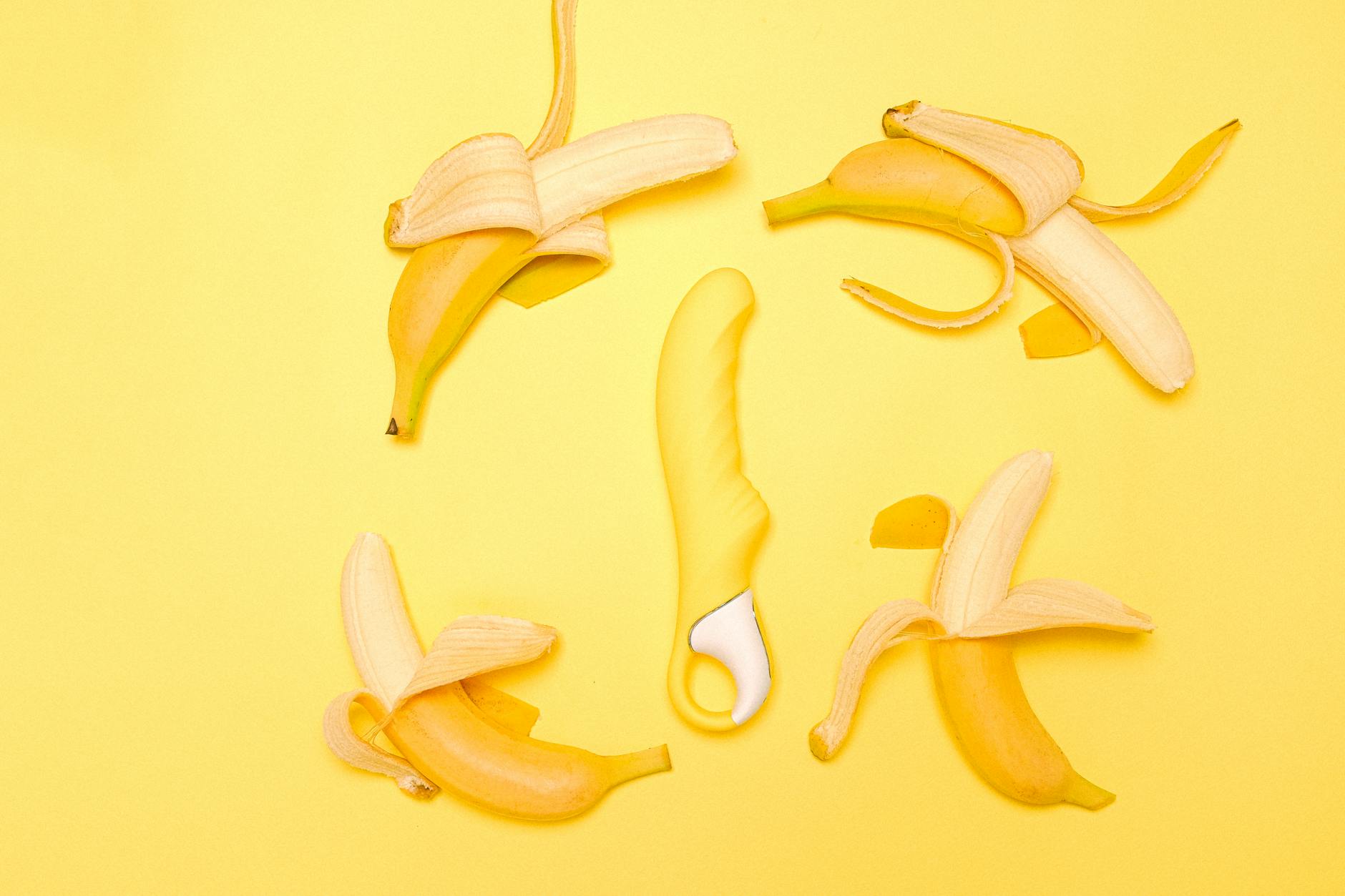
Let's be real about menopause and pleasure
Menopause changes how pleasure feels. It does not erase it. That distinction matters more than you'd think, because most of what circulates about menopause and sex falls into two equally unhelpful camps: "everything dries up and you're done" or "nothing really changes, stop worrying." Both are wrong. Both leave people confused.
Here's what actually happens when estrogen drops, and what it genuinely means for sensation, desire, and orgasm.
What hormonal shifts actually do to your body
Estrogen isn't just one thing. It affects tissue thickness, vaginal lubrication, blood flow to the pelvic area, and how quickly arousal builds. Testosterone drops too (yes, people with ovaries produce it, and it's a major driver of desire across all bodies). The pelvic floor loses some of its elasticity and support. Nerve sensitivity can shift, and orgasms might feel different in shape or intensity.
But here's the part everyone gets wrong: the nerves that register pleasure don't change. Your clitoris doesn't lose sensitivity. Your brain doesn't forget how to enjoy sensation. The neural pathways for arousal stay intact. Many of my clients report some of the most satisfying orgasms of their lives come after menopause. This is not consolation prize talk. It's a real clinical observation.
Why sensation often feels different (and sometimes better)
Three things shift:
1. Mental space clears. The constant low hum of hormonal cycling, fertility anxiety, and "am I performing well enough" finally lifts. For people who've spent decades managing their pleasure around a partner's pace or a cultural timeline, that mental clarity alone transforms everything. You're no longer dividing your attention.
2. Permission expands. After menopause, the pressure to be sexually available on someone else's schedule softens. Many people, for the first time, feel permission to explore what they actually want without negotiating it.
3. Tools matter more. This is where lemon vibrators and clitoral suckers become genuinely game-changing. Thinner tissue means direct friction can feel too intense or even uncomfortable. Clitoral suction stimulates nerve endings without the same mechanical pressure. Lemon vibrators work beautifully for post-menopausal bodies because they don't require the kind of aggressive contact that friction-based toys do.
The physical adjustments that actually help
Four things I recommend to almost every client navigating menopause:
Water-based lubricant, always. Not because your body is broken. Thinner vaginal tissue benefits from extra slip. Silicone-based lubes feel luxurious but they'll degrade silicone toys. Stick to water-based.
Longer warm-up time. Arousal takes longer to build. Budget 15 to 25 minutes instead of 5 to 10. This isn't a problem. It's an invitation to slow down.
Lower initial intensity. Start at pattern 1 or 2 on a lemon vibrator and work up gradually. Your tissues adjust better when you're not jumping to maximum intensity out of habit.
Pelvic floor work that goes both ways. Yes to kegels, but also to learning how to release. Tension in the pelvic floor gets tighter as estrogen drops. Knowing how to relax those muscles, not just contract them, changes everything.
The emotional work matters more than the physical adjustments
Menopause often arrives alongside other midlife shifts: kids leaving home, career changes, relationship renegotiations, grief. The easy trap is to assume any change in pleasure is hormonal. Sometimes it absolutely is. Often it's those other transitions wearing a hormonal disguise.
If you're partnered, the most valuable thing you can do is separate two conversations that are easy to tangle together. "My body is responding differently" and "I want us to reconnect" are different topics with different solutions. Confusing them turns both conversations into frustrated dead ends. One is about your body, one is about your relationship.
Menopause is not the end of your sexual life. It's the middle act, and often the richest one.
Why clitoral vibrators like the Lem work so well for post-menopausal bodies
Lemon vibrators and clitoral suction toys solve a specific problem. Standard vibrators rely on direct vibration against sensitive tissue. After menopause, that intensity can feel overwhelming or even slightly painful if tissue is thinner. Clitoral suction technology works differently. It creates gentle pressure waves that stimulate nerves without requiring the same level of direct contact. For many people post-menopause, a quality lemon vibrator delivers stronger sensation with less discomfort. You're not fighting your body's changes. You're working with them.
When to see a specialist, and what actually helps
If pain shows up during arousal or sex, don't wait it out. Genitourinary syndrome of menopause (GSM) is real, common, and highly treatable. Topical estrogen creams applied directly work in weeks and have minimal systemic absorption. A menopause-informed GP can transform the experience.
If desire has completely vanished and shows no signs of returning, testosterone therapy is worth discussing with a doctor. It's prescribed more conservatively in the US than in the UK or Australia, but it's available and often life-changing for the right person.
Longer warm-up time is normal. Needing more lube is normal. Preferring a different type of toy is normal. Orgasms feeling different but still strong is normal. Pain is not normal, and numbness that doesn't improve is worth investigating.
Rebuilding pleasure after hormonal shifts
Many people come to me after menopause saying something like, "I thought that chapter was over." It's not. It's a new chapter with different rules. <a href="/blog/lemon-vibrators-for-different-body-types-finding-your-perfect-fit">Finding the right tool for your body type matters</a>, and so does permission to explore at your own pace. Solo pleasure, partnered pleasure, using toys, going without. All of it is available to you. The research shows that people who maintain sexual activity post-menopause report higher sexual satisfaction than before menopause. Not because sex is more frequent. Because it's more intentional.
The role of communication with partners
If you're with a partner, the conversation matters. "My body feels different, let's figure this out together" is very different from silently enduring discomfort. Partners often want to help but don't know what's happening. You might enjoy longer foreplay, different toys, different positions, different timing in your cycle. None of that is a failure. It's information.
For <a href="/blog/how-to-introduce-a-lemon-vibrator-to-a-new-partner">introducing toys to a partner</a>, honesty is easiest. "This feels better for my body right now" works. No apology needed. Partners who care about your pleasure will appreciate the clarity.
What doesn't change, and why it matters
Your capacity for orgasm doesn't change. The nerve density in your clitoris doesn't change. Your desire for pleasure doesn't change. Your right to pleasure doesn't change. What changes is the logistics: timing, lubrication, intensity, positioning, toy choice. Those are all solvable problems. None of them mean you're broken or past your prime.
Menopause is not a deadline. It's a doorway. What's on the other side is often richer than what came before. You have more time, potentially more freedom, and finally, more permission to prioritize your own pleasure. That's not consolation. That's an actual advantage. The tools exist to help. <a href="/blog/why-lemon-vibrators-feel-different-when-you-have-endometriosis-or-pelvic-pain">When your body changes, your tools change too</a>. That's not loss. That's adaptation.
FAQ: Your menopause and pleasure questions answered
How long does it take for pleasure to feel normal again after menopause starts?
There's no single timeline. Some people adjust within weeks once they understand what's happening. Others take months to find the right combination of lubricant, foreplay time, and toys. What matters is that adjustment happens. If you're a few months in and still struggling, that's when a specialist conversation helps.
Can I still orgasm after menopause if I struggled with orgasm before?
Yes. For some people, menopause actually makes orgasm easier. The mental clarity and reduced anxiety help. The longer warm-up time isn't a burden. If you never reliably orgasmed before, menopause isn't the reason to give up. It's actually when many people finally figure it out because they have more time and less pressure.
Do I need to use lube every time, or is it just during menopause?
During menopause and after, lube becomes a tool, not an optional extra. Some people need it every time. Others only with longer sessions. Think of it like sunscreen. You're protecting tissue that's more vulnerable now. It's not a sign of dysfunction. It's smart care.
Will hormone replacement therapy fix how sex feels?
HRT can help significantly. Systemic HRT (pills, patches) helps some people. Vaginal estrogen creams help others. Some people feel dramatic improvement. Others need both HRT and other adjustments like toys and communication. There's no one answer. Your doctor can help you explore what makes sense for your body and health history.
Is it normal to want different things sexually after menopause?
Completely normal. Some people want more sex. Some want less. Some want different types of stimulation. Some want deeper emotional connection before physical pleasure. These aren't failures. They're your body and brain telling you something true about what you actually need now.
What if my partner isn't interested in adapting to these changes?
That's a relationship conversation, not a body conversation. Your body isn't the problem. A partner's willingness to adjust with you is part of sustaining intimacy. If someone cares about you, they care about your pleasure. If they don't, that's information about the relationship, not about you.
The bottom line
Menopause changes pleasure. It doesn't end it. The tools exist to make it better. The knowledge exists to make it easier. Permission to prioritize your own sensation and desire exists, even if you haven't fully claimed it yet. Your pleasure matters. It's worth the conversation with your body, with a partner if you have one, and with a doctor if something feels off. Menopause isn't a deadline. It's an invitation to figure out what you actually want.