Let's be honest about the setup
You want to introduce your partner to lemon vibrators, and you're nervous. That's fair. For many couples, the first mention of toys feels loaded with unspoken fears: "Will they think I'm not satisfied?" "Will they feel threatened?" "What if it gets weird?" Those fears are normal, and they're also usually bigger in your head than they need to be.
Here's the truth: introducing your partner to a lemon clitoral vibrator works best when it's framed as something you're exploring together, not something you need because they're falling short. The conversation is simpler than you think, and the payoff for your shared sex life is real.
Why the frame matters more than the timing
Most people delay this conversation because they're waiting for "the right moment." That moment doesn't exist. What matters is the frame: are you asking them to fix something, or inviting them into something new?
Here's the difference:
"I think we need to spice things up" = pressure, implies something's broken.
"I've been curious about lemon vibrators, and I'd love to try one together" = invitation, implies exploration.
The second one works because it positions the toy as something you both want to experience, not as a solution to your partner's inadequacy. Your partner won't feel like they've been graded and found wanting. They'll feel like you're trusting them with something vulnerable.
Timing still matters, but not in the way you think. Pick a moment when you're both relaxed and not exhausted. Avoid right before sex (it feels like pressure) and right after conflict (it feels like a deflection). A car ride, a walk, or early evening at home works well. Anywhere outside the bedroom, actually, so the conversation doesn't immediately feel like a sex negotiation.
Three ways to open the conversation
The curiosity opener: "I've been reading about lemon vibrators. Have you ever thought about trying one?" This positions you as informed and invites their input without pressure.
The experience opener: "I'd like to try something new in bed. I'm thinking about exploring clitoral vibrators together." This names your desire directly and includes them in the decision.
The question opener: "How would you feel about us experimenting with toys? I think it could be fun for both of us." This asks for their consent and openness before you commit to the idea.
Pick whichever feels most natural to you. The exact words matter less than the tone: calm, curious, collaborative.
What to expect: the likely reactions
Most partners fall into one of four camps:
The enthusiastic yes. They're excited immediately. Great. Move to "what happens next" (below).
The curious but cautious yes. They're interested but want more information. This is actually the most common reaction. Bring a phone or have articles ready. Explain that lemon vibrators work through suction, not traditional vibration, and that they're designed for pleasure, not penetration. Address their actual questions, not the ones you invented.
The nervous maybe. They're worried about how it'll feel, or they're processing the fact that you want it. Don't push. Say something like, "We don't have to decide right now. But I'd love to try it together when you feel ready." Then let it sit. Pressure kills curiosity.
The uncomfortable no. This is rare, but it happens. Respect it. Ask why, listen without defensiveness, and then decide if this is a dealbreaker for you. It might not be. You might be fine dropping it. You might realize you need to have a bigger conversation about sexual compatibility. That's okay either way.
The first experience: setting it up so it doesn't feel weird
Assuming they said yes, here's how to make the actual first time feel natural instead of clinical.
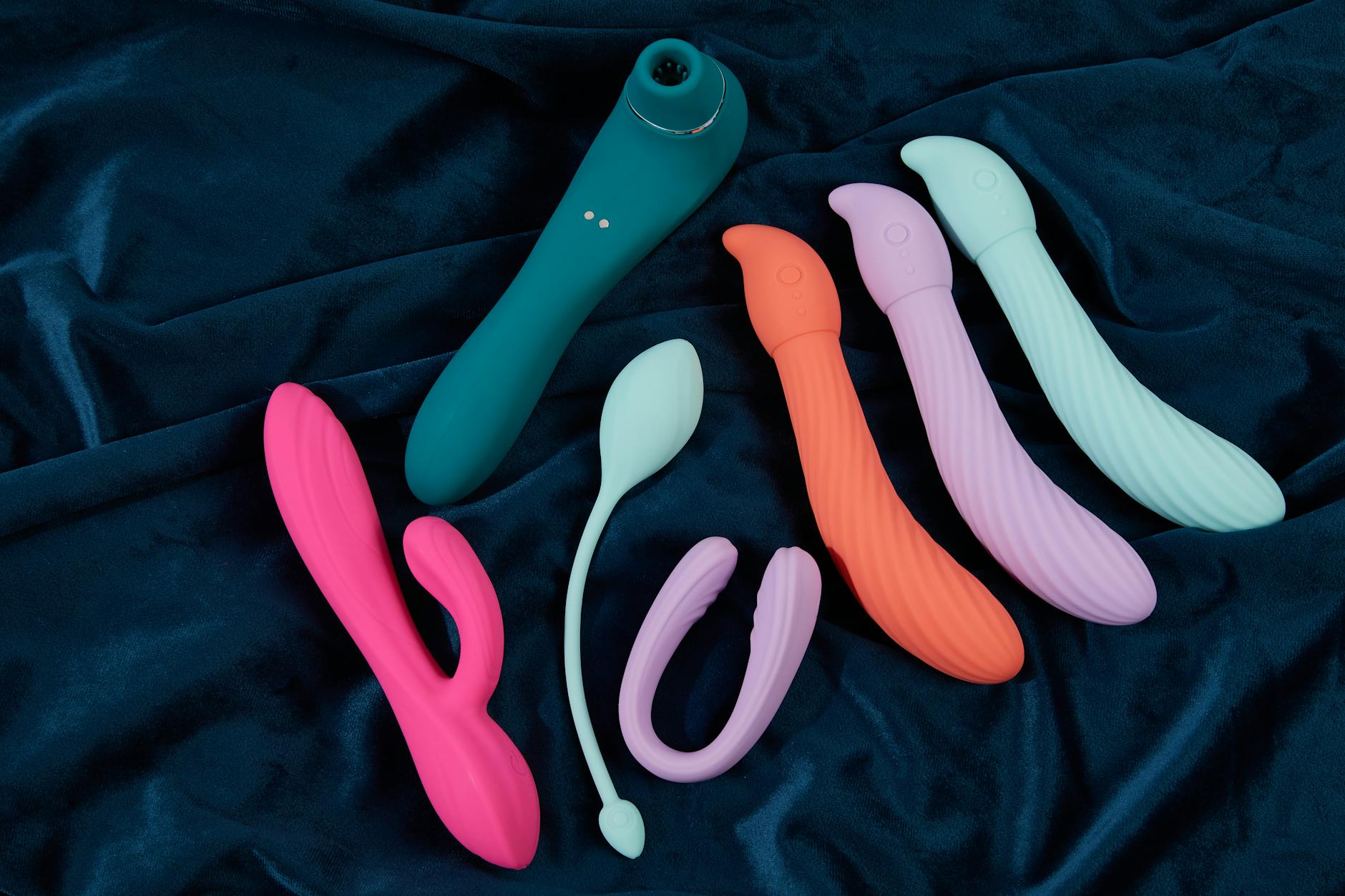
Don't just present them with the toy. Order it online so it arrives discreetly. When it gets there, open it together if they want to. Let them hold it, ask questions, get comfortable with what it actually looks like. Seeing a lemon clitoral vibrator in person is less intimidating than you'd think. It's small, it's pretty, it doesn't look threatening.
Start with clothes on. Seriously. Turn it on, let them feel it on their arm or your arm. Get over the strangeness of hearing the sound. Try it on your neck. Make it playful instead of pressured.
The first actual use should be low-pressure. You might say, "Let's just see what it feels like. No performance, no goals, just exploring." If you're the one with the vulva, consider using it solo first and reporting back. If you're the partner without the vulva, the best thing you can do is express genuine interest in how it feels for them. "Does it feel good?" "What's different?" "What do you want to try next?" This is how you show up in the experience.
Expect the first time to be awkward. Your brain is self-conscious, the positioning feels weird, someone might laugh nervously. This is completely normal. Awkwardness is not a sign it won't work. It's usually a sign you're both slightly nervous, which means you're being honest.
Common fears and the real answer
"Will they think I don't want them anymore?" No. If you frame it as exploration together, they'll understand. But communicate it: "This isn't about you. I love sex with you. I just want to try something new together."
"What if they're offended?" Some people are, initially. This usually comes from a place of insecurity, not a real problem. Give them space, answer their questions, and move forward. Most partners who felt defensive initially become enthusiasts later.
"What if we hate it?" Then you hate it together and you've learned something. The toy cost less than dinner. It's not a referendum on your relationship.
"What if it changes our dynamic?" It might. Usually for the better. Couples who use toys together report more satisfaction and better communication about pleasure. But the change isn't the toy. It's the conversation and the vulnerability.
After the first time: keeping the momentum
Don't just drop it after one use. Talk about what happened. What felt good? What was awkward? Do you want to try again? What would feel different next time?
If you're introducing lemon vibrators to a partner who struggled with vibrator anxiety initially, check in gently and often. Let them set the pace.
If you're both into it, great. Keep exploring. Try different patterns, different positions, different contexts. You might find that clitoral vibrators feel better during certain parts of your cycle.
The goal isn't for toys to become a permanent fixture of your sex life. The goal is for you and your partner to feel comfortable talking about pleasure, trying new things, and checking in with each other about what's working. Lemon vibrators are just the vehicle.
The bigger conversation underneath
Introducing toys is often the first real conversation couples have about pleasure in a grounded, non-defensive way. That's huge. You're saying: "My pleasure matters. Your pleasure matters. We get to explore this together." That foundation matters more than any toy.
If introducing lemon clitoral vibrators opens a conversation about desire, frequency, what you both want, or what's been missing, lean into that. That's the real win. The toy is just the permission structure.
FAQ: questions people actually ask
How do I know if my partner will be open to this?
You don't until you ask. But partners who are generally open, curious, and affectionate tend to be more receptive. If your relationship is strong otherwise, this conversation is usually easier than you expect. If your relationship has real disconnection, introducing toys won't fix it. Address the underlying stuff first.
What if my partner wants to introduce toys and I'm the one who's hesitant?
Give yourself permission to feel however you feel. Curiosity doesn't have to mean immediate yes. Ask questions. Watch videos. Read reviews. Try it alone first. Your partner's enthusiasm is not pressure. You get to move at your pace.
Is it weird if I want to use the lemon vibrator by myself first before my partner sees it?
Completely normal and actually a good idea. You'll be more relaxed using it together if you already know how it works. Your partner might even appreciate that you tested it first.
How do I bring this up if we've never talked about toys at all?
Start smaller. "Have you ever thought about trying new things in bed?" Let that conversation happen first. Then, once they're open to newness, introduce the specific idea of lemon vibrators. It's less jarring.
What if my partner says yes but then seems uncomfortable during the actual experience?
Stop. Check in. "This doesn't feel right?" Listen to their answer. You can put the toy away and come back to it later, or never use it again. Comfort matters more than following through.
Does using a lemon vibrator together change the dynamic of our sex life in bad ways?
Not usually. Most couples report feeling closer and more connected after using toys together. But the change is driven by the conversation and vulnerability, not the toy itself. If your relationship was struggling before, toys don't fix it.
The real outcome
Introducing your partner to lemon vibrators isn't really about the toy. It's about building the infrastructure where both of you can ask for what you want, try something vulnerable together, and not make it weird. That's the skill that changes everything else.
You're not risking your relationship by bringing this up. You're potentially strengthening it by opening a conversation about pleasure that most couples never have.
Start with curiosity instead of pressure. Frame it as exploration, not solution. Pick a calm moment. Listen to their actual concerns instead of the ones you invented. Then try it together and see what happens.
Your partner will probably surprise you. And so will you.