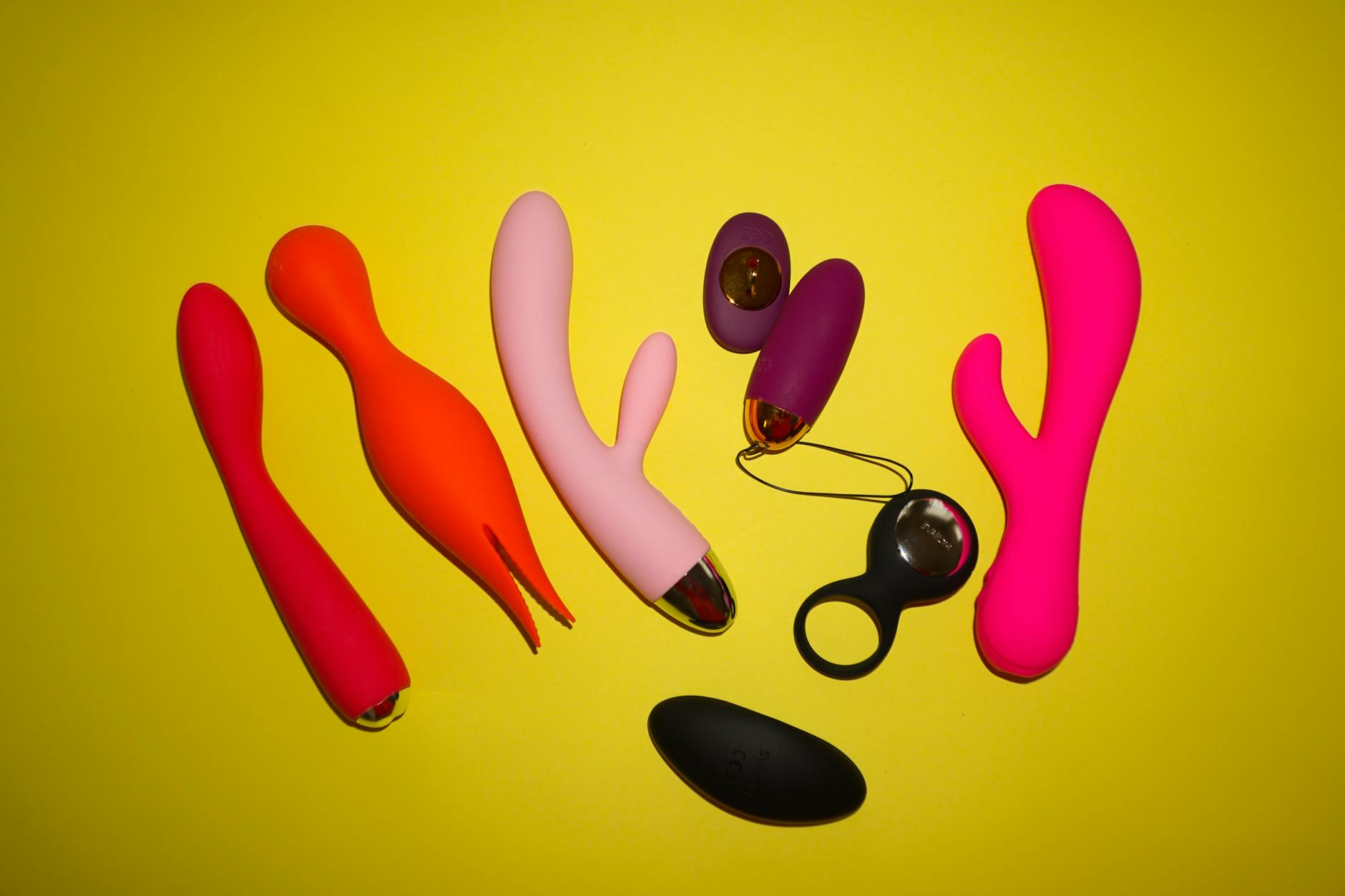
Let's talk about what perimenopause actually does to pleasure
Perimenopause is the 5-10 year window before menopause hits officially. Your hormones are basically on a dimmer switch that someone else controls. One week estrogen is normal. The next, it's tanking. Then it bounces back. This chaos doesn't just affect your mood or your sleep. It transforms how your body experiences touch, arousal, and orgasm.
Here's what makes lemon clitoral vibrators and clitoral suction devices like the Lem so effective during this phase: they work with your changing physiology instead of against it.
How perimenopause shifts your clitoral sensitivity
Your clitoris has about 8,000 nerve endings, and most of them are wildly sensitive to hormone fluctuation. As estrogen dips, the tissue around those nerves gets thinner and less vascularized. That sounds bad. What it actually means is that your clit becomes more sensitive to certain types of stimulation and less responsive to others.
Traditional vibrators rely on sustained, repetitive micro-vibrations to build arousal. That works beautifully when hormone levels are stable. During perimenopause, you might find that approach feels too intense, too numbing, or weirdly disconnected. Your nervous system is literally responding differently to the same stimulus.
Clitoral suction, which is how lemon vibrators and other suction toys work, bypasses that problem entirely. Instead of relying on rapid vibration, suction creates gentle pressure waves and pulses that stimulate the whole clitoral structure, not just the surface. This matches what your body is actually asking for during hormonal flux.
The suction advantage during hormonal transition
When estrogen is fluctuating, your clitoris is also fluctuating. Some days it feels puffy and hypersensitive. Other days it feels almost numb. A lemon clitoral vibrator or suction toy adapts to that day-by-day (sometimes hour-by-hour) reality.
Here's why: suction patterns are gentler on tissue that's thinner and more fragile. They also provide consistent stimulation without the friction that can feel raw during low-estrogen weeks. The Lem and similar lemon sucker devices typically have 3-5 intensity levels. You're not locked into the buzz frequency of a traditional vibrator. You're in control of the pressure and pattern in a way that feels intuitive when your body is changing.
Many clients in perimenopause tell me they've abandoned traditional vibrators because they either make them numb or make them feel overstimulated. A lemon vibrator is often the first device that lands again. That's not coincidence. It's physiology.
Why clitoral suction beats standard vibration right now
Let's get granular. During perimenopause, three things happen simultaneously.
First, your arousal timeline stretches. You might need 20-30 minutes to build the same response that used to take 10. Your nervous system isn't broken. The signal is just traveling a different route.
Second, your tolerance for intensity shifts unpredictably. You might crave deeper pressure one day and feel raw the next. Lemon vibrators have variable intensity for this reason. You dial it to what works today.
Third, your orgasm threshold changes. Some people find orgasms sharper and more localized during perimenopause. Others find them need more sustained build. Suction is brilliant here because it creates a sustained pressure gradient that builds in waves, rather than relying on constant high-frequency buzz.
What this means for your actual experience
If you've been using standard vibrators and they're suddenly not working, you're not broken. Your body is asking for something different.
Switch to a lemon clitoral vibrator or similar suction toy for two weeks and notice what changes. Most people report: less numbness, faster arousal once stimulation starts, more intense and satisfying orgasms, and easier control over intensity mid-session.
You're not restarting from zero. You're upgrading to a device that matches your current hardware.
Pairing suction with lubrication during perimenopause
One key thing: perimenopause often brings dryness, especially in the weeks when estrogen dips lowest. That's not a sign to bail on pleasure. It's a sign to add water-based lube.
This matters because lemon vibrators and clitoral suction toys rely on a slight seal with the tissue to work properly. A bit of lube helps that seal form gently and keeps the experience comfortable. You're not fixing a broken thing. You're optimizing for what's actually happening.
Use water-based lube, always. Apply it fresh every 5-10 minutes if needed. A lemon sucker works best when there's light moisture, not a ton.
Building the right rhythm for perimenopause pleasure
Here's what I recommend to clients navigating this transition.
Start with 15 minutes of solo exploration to understand your current baseline. Use a lemon vibrator at intensity level 2 or 3, not maximum. Let yourself get familiar with what suction feels like on your changing body. You're gathering data, not trying to achieve a specific outcome.
Then, once you understand your sweet spot, you can invite a partner or extend your solo sessions. But that first phase of neutral observation matters. Your body is shifting. Getting curious about how, rather than frustrated that it's different, changes everything.
Many people in perimenopause also find that a dedicated self-pleasure practice becomes more important, not less. When hormones are in flux, you need more time to understand your body's new baseline. That's not a bug. It's an invitation to slow down and learn yourself again.
When to get support from a clinician
If pleasure is completely gone and not returning after a few weeks of trying lemon vibrators or suction toys, talk to a menopause-informed doctor. Perimenopause sometimes brings genitourinary changes that deserve professional attention. A topical estrogen cream, prescribed carefully, can help tissue stay healthier during this transition.
Also talk to someone if you're experiencing pain, not just lack of sensation. Perimenopause can amplify pelvic floor tension, which changes how both pleasure and pain feel. A pelvic floor physical therapist can be genuinely life-changing.
But if sensation is just different rather than absent, a lemon clitoral vibrator is often exactly the tool your body is asking for right now.
The bigger picture: perimenopause is not the beginning of the end
I see clients in their 40s panic because pleasure feels unfamiliar. They think they're heading toward a sexless future. What's actually happening is a transition. Your body is changing, yes. But change is not loss.
Many of my clients report that their most satisfying sexual experiences happen during perimenopause and beyond, not before it. The pressure to perform lifts. Confidence often deepens. And the right tools, like lemon vibrators and clitoral suction devices, make the physical transition smooth.
You're not losing pleasure during perimenopause. You're learning a new dialect of it. A lemon sucker is just a very good translator.
People also ask
Can I use a lemon vibrator if I'm in early perimenopause?
Absolutely. You don't have to wait until symptoms are severe. Many people start using clitoral suction devices in early perimenopause just because they find them gentler and more responsive to hormonal shifts. There's no threshold you have to hit. If traditional vibration isn't landing, a lemon clitoral vibrator is worth trying right now.
Will a lemon sucker help if my clitoris feels numb during perimenopause?
Often, yes. Numbness from hormonal dips usually responds well to suction stimulation because suction works on the entire clitoral structure, not just surface sensation. Start at low intensity and give yourself 10-15 minutes. Many people find numbness lifts once the body warms up and suction creates that gentle pressure wave.
How often should I use a lemon vibrator during perimenopause?
As often as feels good. Self-pleasure during perimenopause is actually valuable practice for understanding your body's shifting baseline. Some people find a weekly solo session helps them stay connected to pleasure. Others use it 3-4 times weekly. There's no "right" frequency. What matters is consistency enough to stay familiar with your body's patterns.
Can a partner use a lemon clitoral vibrator on me if I'm in perimenopause?
Yes, and many partners find it easier to use than traditional vibrators because the intensity control is more intuitive. You can say "lower" or "more pressure" and they dial it immediately. For couples navigating perimenopause together, introducing a clitoral suction toy can actually deepen intimacy because it shifts focus from performance to exploration.
Does perimenopause dryness prevent clitoral suction from working?
No, but it does mean you should use lube. Water-based lube helps the seal form gently and keeps the experience comfortable. Add more as needed. Dryness is common during perimenopause and totally manageable with the right tools and preparation.
Will a lemon vibrator help if antidepressants are also affecting my sensation?
Maybe. Medication side effects and hormonal shifts sometimes stack, making sensation extra challenging. Suction can help because it works differently than vibration, but this is also a conversation worth having with your doctor and your prescriber. Sometimes a small medication adjustment or a topical estrogen cream makes a bigger difference than any toy can. Many people find that combining both approaches works best.
Perimenopause is messy and nonlinear and exhausting in a lot of ways. But pleasure doesn't have to be one of those things. The right tools, matched to your body's current state, make all the difference.