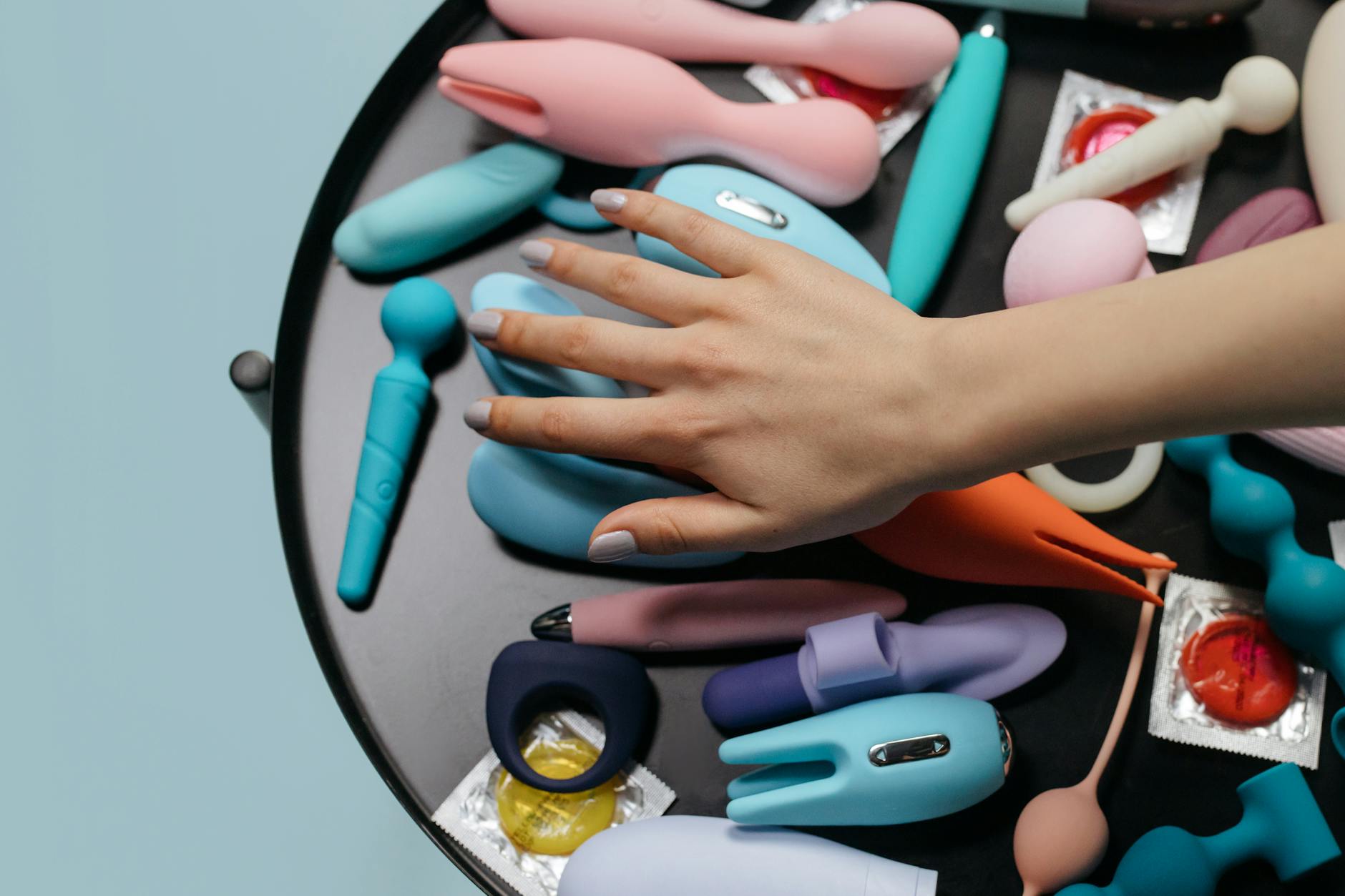
Here's the mismatch nobody talks about
Your partner is doing everything right. They're being attentive, touching you, setting the mood. But their idea of foreplay is ten minutes, and your body needs twenty. Or their hands feel nice but not enough, and you know that what you actually need is something more direct to get where you're going. Then comes the guilt: they feel rejected, you feel rushed, and the whole thing starts to feel like work instead of pleasure.
This isn't a compatibility problem. It's a stimulation timing problem. And it's fixable.
The disconnect is neurological, not emotional
People's bodies have wildly different arousal ramps. Some people can orgasm from kissing alone. Others need fifteen minutes of targeted clitoral stimulation to even feel aroused. Neither is wrong. Neither means anything about desire or love. It's just physiology.
When you bring lemon vibrators into partnered play, you're not replacing your partner or saying their touch isn't enough. You're saying your body has a specific need, and here's the tool that meets it. The best partners understand this shift immediately. Others need permission.
Why lemon clitoral vibrators work when timing doesn't align
Clitoral vibrators like the Lemon Vibrator work faster than hands alone. The consistent stimulation pattern creates a neurological response that's hard to achieve through manual touch. This isn't a criticism of your partner. It's just that vibration operates at a frequency human skin can't replicate.
The other advantage: they're non-judgmental about pacing. Your partner can take their time with the kind of touch they enjoy giving while you get the stimulation you need happening simultaneously. This is where the magic happens. Both of you get what you want, and nobody's rushing or performing.
Many couples find that introducing a Lemon Vibrator actually makes partnered sex feel less pressured, not more. Because you know you can control your own arousal trajectory.
Four ways to bring it into the conversation without tension
1. Separate the timing conversation from the tool conversation. Say "My body takes longer to warm up, and that's not your fault" before mentioning a vibrator. This prevents them from hearing "your hands aren't good enough." You're describing your body, not critiquing theirs.
2. Frame it as something for both of you. "I want to try using this while you touch me, so we're both enjoying something at the same time." This isn't about you going solo. It's about a shared experience with different contributions.
3. Try it first on your own. If you've never used a lemon clitoral vibrator, use it alone once or twice so you know what feels good to you. Then when you bring it to your partner, you can say "Here's what I discovered works for my body" instead of asking them to figure it out in the moment.
4. Pick a low-stakes time to try it. Don't introduce a vibrator when you're both already frustrated about timing. Bring it up on a lazy Sunday afternoon when there's no pressure to have sex at all. "I want to try something. No expectations. Just curious." That removes the performance element entirely.
How to actually use a lemon vibrator when your partner is also touching you
Think of it as layering stimulation, not replacing it. Your partner might use their hands on your thighs, inner arms, or neck while you use the Lemon Vibrator on your clitoris. Or they focus on whatever penetration you're building toward while you handle the clitoral side. This creates a rhythm where you're both contributing something different.
Start at a lower setting if you're new to this. The Lemon Vibrator has multiple intensity levels for a reason. Build up. Your partner can read your body language to know whether to continue what they're doing or adjust.
Some couples find it helpful to have a signal. Not a formal safe word, just something like "I'm good" or a specific squeeze means keep going. Others communicate through sound and movement. There's no script. You figure out what feels natural.
When they're worried it means something else
Many partners worry that a vibrator means their touch isn't enough. Some worry it means you don't desire them anymore. This is worth addressing directly, but not during sex.
Honestly though: your nervous system is just wired differently. Using a vibrator doesn't mean your partner's touch doesn't matter. It means your body has different requirements. You'd use a hair dryer even if someone was willing to fan your hair dry. The tool is more efficient. That's all.
If your partner continues to feel threatened or resistant, that's a different conversation than the vibrator itself. How to Use Lemon Vibrators When Your Partner Resists or Feels Threatened walks through that more deeply.
The unexpected benefit
Here's what happens when you introduce a vibrator into partnered play and it works: your partner stops feeling responsible for your orgasm. And you stop feeling guilty for taking longer. Both of you relax.
From a relationship perspective, this is genuinely valuable. You're taking ownership of your pleasure while staying physically connected. You're not asking them to be something they're not (a vibration machine). And you're solving the actual problem instead of resenting each other over it.
Many couples find that this one adjustment transforms how they feel about sex together. Less performance anxiety. More actual pleasure. More time for the kinds of touch your partner actually loves giving.
If sensation still feels off, there's more to explore
Sometimes the issue isn't timing at all. Sometimes your clitoral sensation changes depending on where you are in your cycle, or you're taking medication that affects sensation, or you've been stressed. In those cases, a vibrator helps too. But it's worth knowing what's actually happening so you can address it.
If you're consistently numb or sensation feels muted even with stimulation, How to Use Lemon Vibrators When Sensation Feels Muted or Numb has deeper troubleshooting. If it's about your cycle specifically, Why Clitoral Vibrators Feel Different at Different Times in Your Cycle is worth reading too.
The real point
Your body's needs are valid. Your partner's preferences are valid. A tool that lets both of you get what you need without resentment or pressure isn't a workaround. It's a solution. And honestly, it's one of the best uses for lemon vibrators in partnered play. Not as a replacement for connection, but as an enabler of it.
People also ask
Is it normal to need more stimulation than a partner can give manually?
Completely. Different nervous systems respond to different intensities and frequencies. Some people orgasm from kissing. Others need consistent clitoral vibration. Neither means anything about your desire for your partner. It's just how your body is wired.
Will using a vibrator during sex make me dependent on it?
No. Your body won't "forget" how to orgasm without one. But you might find you prefer how a vibrator feels and want to use it regularly. That's not dependency. That's knowing what works for you and choosing it. You can use a vibrator some times and not others without any issue.
How do I know if my partner is actually okay with this or just tolerating it?
Ask directly at a time when you're not about to have sex. "I want to check in about the vibrator. How are you actually feeling about it?" Their answer will tell you everything. If they're uncomfortable, that's real and worth addressing as a couple. If they're fine, they might just need reassurance that it's not about them.
Can I use a lemon clitoral vibrator if I'm very sensitive down there?
Yes, but start low. The Lemon Vibrator has multiple intensity settings. Begin at level one and work up. Many people with sensitivity actually find that consistent, controlled vibration feels better than variable manual stimulation because you can control exactly what's happening. If it's too much, you stop.
What if my partner wants to use the vibrator on me, but I prefer doing it myself?
That's fine. You control it. Your partner's hands can be elsewhere, doing what they enjoy. Or they can hold you while you use it. There's no rule that says they have to be the one with the vibrator in their hand. You knowing exactly what you need and communicating that is actually the sexiest part of this.
How long does it usually take to orgasm with a vibrator during partnered sex?
It varies wildly. Some people come in two minutes. Others take ten. The nice thing about a vibrator is that time stops being the focus. You're not rushing your partner, they're not waiting for you. You're both doing your own thing simultaneously. The pressure just dissolves.
What comes next
If introducing a vibrator into partnered play is new territory for you, start small. Have the conversation when you're not about to have sex. Use it solo first so you know what you like. Then invite your partner in with zero pressure or expectations. The goal isn't perfect sex. It's honest sex where both of you get what you actually need. Everything else flows from there.