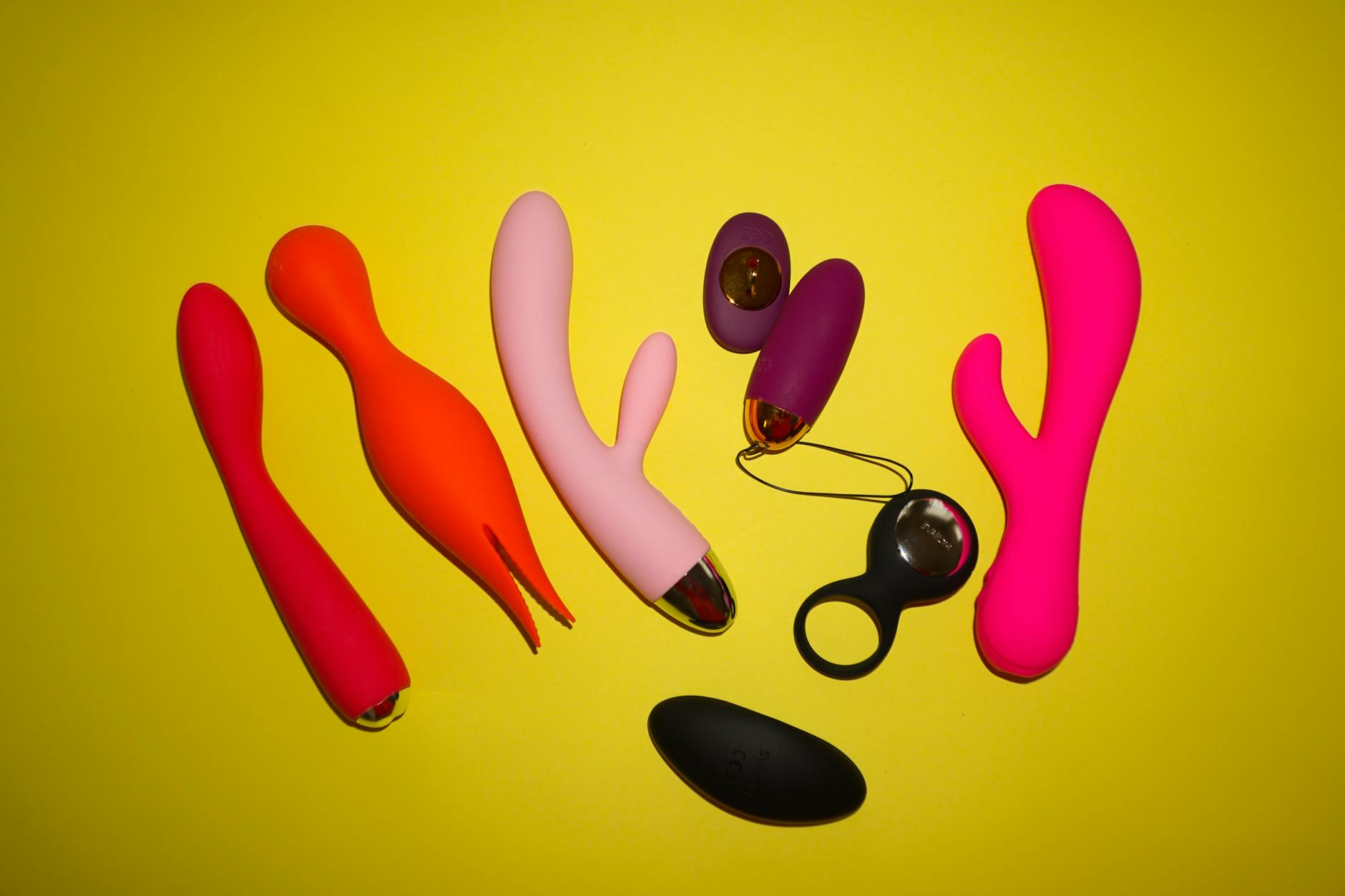
Let's talk about what nervous actually feels like
Here's the thing about buying your first lemon vibrator or any clitoral vibrator: the anxiety isn't usually about the toy itself. It's about what it means, what might go wrong, and whether you're "supposed" to want this. Those thoughts sit quietly in the background and suddenly your heart rate picks up when the package arrives.
I've worked with hundreds of people navigating this exact moment. The worry takes different shapes depending on your story, but the feeling underneath is almost always the same. You're crossing a line from passive to active. From "this happened to me" to "I'm choosing this for myself." That's bigger than it sounds.
What nervous actually is (and what it isn't)
Nervousness about trying a lemon vibrator for the first time usually shows up in three ways. First, there's the physical kind: shallow breathing, tightness in your chest or pelvic floor, difficulty getting aroused even when you want to. Second is the narrative kind: self-consciousness, feeling weird or "too much," wondering if this makes you needy or desperate. Third is the practical worry: What if I don't like it? What if I can't orgasm with it? What if I break it?
None of these thoughts mean you shouldn't try it. They mean you need a different approach than someone who's been using clitoral vibrators for years.
The good news is that nervousness almost always dissolves once you realize the toy isn't performing for anyone but you. A lemon vibrator doesn't have opinions about whether you're worth pleasure. It has one job: to amplify sensation without judgment. And you get to decide if that feels good.
Start way before you touch the toy
This is the part people skip and then wonder why they're tense. Build a little scaffolding of comfort first.
Unpack it alone, in a moment of calm. Not right before you want to use it. Just sit with the physical reality of the toy. Hold it. Look at it. You'll realize it's smaller than you thought, or the texture is smoother, or the color makes you smile. This sounds silly but it moves the toy from "scary unknown" to "actual object I own."
Read the manual. I know. But it matters because you'll understand the buttons, the battery life, and the settings before you're in the moment. You won't be fumbling and frustrated. You'll be informed. That's half the battle with first-time nervousness.
Tell yourself a true story about why you want this. Not "I'm broken if I need this" or "A real partner should be enough." Those are lies. The true story might be "I want to understand my own body better" or "I like sensation and I deserve to feel good" or "I'm curious." All of those are complete reasons. Write it down if that helps.
The first time: what actually helps
Forget performance. Forget orgasm as the goal. The first time with a lemon vibrator is a research project, not a test.
Pick a time when you're not stressed or rushed. Not immediately after a fight with a partner. Not when you're exhausted. You need at least 30 minutes and your nervous system needs to be roughly online. This means no wine if you're someone who gets more anxious when drinking. This means maybe some music or dimmed lights if that helps you feel grounded.
Start with the lowest setting. This matters more than anything else. Your first impression of the sensation should be "oh, that's interesting" not "oh my god, what is happening." If you're using a lemon clitoral vibrator on the strongest setting with zero warm-up, of course you're going to feel overwhelmed. Start at pattern 1 or 2. Spend time there.
Your pelvic floor might clench. This is a fear response and it's completely normal. When this happens, pause. Breathe into your belly. Let your thighs relax. You can't force relaxation but you can notice the tightness and invite ease. This usually takes 30 seconds.
If nothing happens and you don't feel arousal building, that's fine too. You're gathering data. Maybe you need more warm-up time. Maybe you need to be touching somewhere else first. Maybe your anxiety is high enough that your body is protecting itself. All of this is information, not failure.
What to do if it feels weird (not bad, just weird)
Weird is normal. A lemon vibrator feels different than hands. Different than a partner. Different than your own imagination. Your nervous system is processing something new.
Weirdness usually means you need more time. Try it again in a few days. Your brain will integrate the sensation and the next time won't feel so foreign. The thing that felt startling on day one often feels really good on day three.
If it's genuinely uncomfortable, stop. There's no prize for pushing through something unpleasant. But make sure you're distinguishing between "uncomfortable" and "nervous discomfort." Uncomfortable means pain or rawness. Nervous discomfort is tightness, self-consciousness, a sense of "this is weird and I'm not sure about it." Those need different responses. Nervous discomfort usually settles with practice. Physical discomfort needs you to stop and potentially see a provider.
The second and third times (when the real opening happens)
Most people find that the anxiety drops dramatically by the second or third time. The mystery is gone. The object is familiar. Your body is starting to recognize the sensation.
This is also when you can start experimenting with what actually feels good. Maybe you like the intermittent patterns more than the steady ones. Maybe you need lube even though you didn't think you would. Maybe you want to use it differently than you expected. All of this exploration is the point.
If you're using a lemon vibrator with a partner, this is when you might consider introducing them to it. Not as a threat or a replacement, but as something you've learned feels good for you. That conversation is separate from the physical exploration. Take time with it. How to Introduce a Lemon Vibrator to a New Partner has a deeper breakdown if you need one.
When nervousness is actually something else
If you're persistently unable to relax, or if you feel fear (not nerves, but actual fear) around sexual touch, that might point to past experiences worth exploring with a therapist. Nervousness about a new toy is completely normal. Panic or dissociation isn't.
If you have a history of sexual trauma, touch anxiety, or vaginismus, starting with a clitoral vibrator is actually often easier than partnered touch because there's no relational negotiation. But you might benefit from working with a trauma-informed provider as you're exploring. That's not weakness. That's wisdom.
If you're anxious because you think you "should" want this but you really don't, that's information too. You don't have to use a lemon vibrator or any vibrator. The goal is your own pleasure, not someone else's idea of what should work for you.
FAQ: First-Time Lemon Vibrator Anxiety
What if I can't orgasm with it on my first try?
Orgasm isn't the finish line for your first time. It's bonus content. Most people need a few sessions before they know what the toy can do for their body. You're learning the sensation, learning the controls, and learning what your nervous system needs to feel safe. That's enough.
Is it normal to feel embarrassed about owning a vibrator?
Completely normal. You've probably absorbed messages that pleasure is shameful or that wanting this thing makes you needy. Those messages are old and they're not true. Your body deserves attention and sensation. Using a tool to access that is not weakness or desperation. It's self-knowledge.
Should I tell my partner I bought a lemon vibrator?
That depends on your relationship and your comfort level. If you have a partner you trust and you want them to know, yes. If you want privacy around your own body and your own exploration, that's equally valid. You're not obligated to share this. It's your body.
What if my partner feels threatened by my vibrator?
That's actually a conversation that needs to happen, and it's separate from the vibrator itself. A partner's insecurity about a toy is about their own fears, not about the reality of what a vibrator does. The vibrator isn't a replacement. It's an addition to what already exists between you. If a partner consistently shames you for your own pleasure, that's a bigger relationship question worth exploring with a couples therapist.
How long should I warm up before using a lemon vibrator?
Check out How Long Should You Warm Up Before Using a Lemon Vibrator for the full breakdown, but the short answer is 15 to 25 minutes of touch and arousal building before you introduce the toy. Your nervous system needs time to shift into pleasure mode.
What if the vibration is too intense even on the lowest setting?
This happens. It often means you need more warm-up, or you need to approach the toy differently. Try warming up more before you turn it on. Try using it over clothing at first. Try using it on a lower intensity setting and building up over multiple sessions. Some bodies need time to acclimate to the sensation. If it stays uncomfortable, talk to a provider about whether there's tension or sensitivity that needs attention.
You're not starting from zero
Here's what I want you to know: nervousness about trying a lemon vibrator for the first time isn't a sign you shouldn't do it. It's a sign that your nervous system is taking this seriously. That's actually a good instinct. You're paying attention to your body. You're not rushing. You're creating the conditions for something that feels good.
The people I've worked with who moved through this nervousness thoughtfully ended up with a really different relationship to their own pleasure. They learned that they could ask for what feels good. They learned that their body has preferences and those preferences matter. They learned that pleasure isn't something that happens to you. It's something you can choose.
That's the real beginning. Not the first time you use the toy. The moment you decide that your own sensation and comfort are worth the small vulnerability of trying something new.
If you have specific questions about getting started or how to navigate this with your unique body and situation, reach out. I'm here for it.