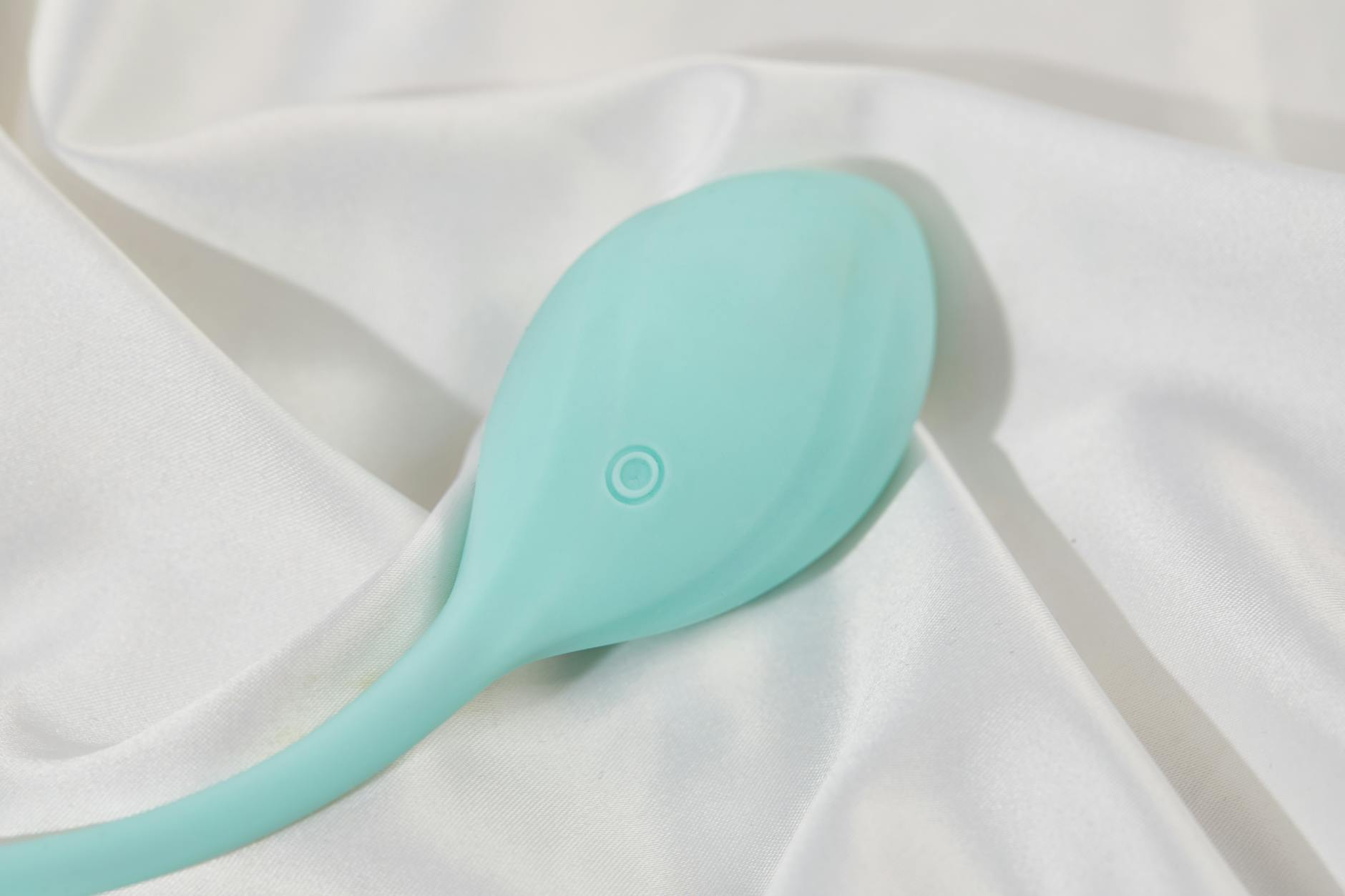
Let's name what this really is
You're not being adventurous. You're not being reckless. You're reclaiming something that was always yours. There's a difference, and it matters emotionally.
Here's what I hear most from people in their 50s and beyond who are trying a lemon vibrator or any clitoral vibrator for the first time: "I feel like I'm starting over." Sometimes that feels exciting. Sometimes it feels like admitting you've been missing out. Both are real, and both are worth acknowledging before we talk mechanics.
Why your 50s is actually the ideal time to begin
I'm not being poetic here. There are concrete reasons this moment is less complicated than you might think.
First, you've had decades of knowing your own body. You understand what touch feels good and what doesn't. You've probably navigated enough of life to recognize nonsense when you hear it. That's not nothing. Someone exploring pleasure for the first time at 25 has to unlearn cultural shame and media messaging while also figuring out basic anatomy. You skip that first part.
Second, you're likely past the years of performing. Whether that's in relationships or in your own head, there's often permission at this stage that younger people are still fighting for. That shifts everything about how you approach pleasure. It's less about looking right and more about feeling what actually works.
Third, your nerve endings haven't gone anywhere. The clitoris has about 8,000 nerve endings, regardless of your age. What changes is blood flow, lubrication, and how quickly arousal builds. A lemon vibrator designed for clitoral suction actually works brilliantly for post-50 bodies because it doesn't require the same kind of friction that can feel uncomfortable on sensitive tissue.
How a lemon vibrator is different from what you might imagine
If you're picturing something loud, intense, and obviously invasive, stop. A lemon clitoral vibrator or lemon sucker is quiet, precise, and gentler than you'd expect.
Here's how it works: instead of vibration alone, it uses gentle suction and pulsing stimulation. Imagine a soft mouth rather than buzzing. The sensation is focused on the external clitoris, not insertion. You're in complete control of intensity, speed, and pressure. The lemon vibrator typically starts on the lowest setting, which is almost meditative if you're coming to this fresh.
That matters for over-50 bodies because sensitivity changes. More sensation isn't always better. Precise, manageable sensation is usually exactly right.
Starting with zero pressure and zero expectations
Here's my strongest advice: treat your first experience like you're getting to know a new friend, not like you're supposed to have an orgasm on day one.
Set aside 20 minutes when you're not thinking about anything else. Not tired, not restless, not multitasking. Mute your phone. Make the room comfortable. This isn't about candles and romance unless that genuinely appeals to you. It's about not being interrupted.
Lubrication matters more now than it might have before. Water-based lube is your friend. Apply it generously to both your body and the toy. If you've experienced any vaginal dryness or tissue changes, lube makes a massive difference in comfort and sensation.
Start with the lemon vibrator on the lowest setting. Touch the stimulator to your inner thigh first, just to acclimate to the sensation without pressure. Then move to the clitoris slowly. You're not hunting for anything. You're noticing what feels good.
If nothing happens, that's completely fine. Your nervous system might need time to recognize this new input. That's not a failure. That's just information.
What pleasure looks like after 50 is different, and that's okay
Someone in their 50s told me once: "I used to feel like a lightbulb turning on. Now it's more like watching the sun come up slowly." That stuck with me.
Arousal takes longer. Orgasms might feel different. They might be shorter or feel less intense in some ways and more focused in others. This isn't decline. It's change. And once you stop expecting the sensation to match your memory, it gets a lot better.
Many people find that after about two weeks of regular, pressure-free exploration with a lemon vibrator, their nervous system settles into it. The body recognizes what's happening, arousal builds faster, sensation deepens. This is normal neuroplasticity, not a sign something's wrong.
The conversation with your partner if you have one
If you're partnered, here's the thing: exploring solo pleasure is not a referendum on your relationship. It's not commentary on your partner. It's research on your own body.
That said, the conversation matters. Not for permission, but for honesty. Something like "I'm curious about exploring this alone for a while" is enough. You don't owe a play-by-play. You're not obligated to invite them into this discovery. But clarity prevents your partner from stumbling into assumptions.
Some people later choose to involve their partner. Some don't. Both are completely valid. A lemon vibrator for couples can be something you explore together afterward if it interests you, but that's optional.
Managing the stories in your head
The hardest part isn't usually the vibrator. It's the voice that says, "I'm too old for this," or "This is weird," or "Real pleasure shouldn't require a toy."
All of those are lies you inherited. Not from facts. From culture.
Pleasure at any age is valid. Curiosity at 50, 60, 70, or 80 is not late. It's just now. And now is always a good time.
If you're working through shame or discomfort, that's real and worth taking seriously. Many therapists now specialize in sexual health and the midlife transition. It's not frivolous to get support. A few sessions can often shift the internal story more effectively than any amount of self-talk.
Creating a sustainable practice
The goal isn't intensity or achievement. It's curiosity and self-knowledge.
Once you've had a few comfortable experiences, you can experiment slightly: different times of day, different settings on your lemon clitoral vibrator, different kinds of touch. Some people find they prefer gentler stimulation in the morning and more intensity in the evening. Some discover that they need more warm-up time on days when they're stressed. That's all useful information about you.
Make it regular without making it rigid. A few times a week is often enough to deepen familiarity and pleasure. The goal is consistency that feels sustainable, not obligation.
The fact no one talks about
Many people report that pleasure improves significantly over months of regular exploration. Not because there's something wrong initially. But because your nervous system learns, your confidence builds, and you stop waiting for it to feel like it "should" and start noticing how it actually does.
You're not restarting your sex life. You're choosing to know yourself more intentionally. That's the opposite of shame. That's power.
People also ask
Is it normal to feel nothing the first time you use a lemon vibrator over 50?
Completely normal. Your nervous system is processing new input. It can take several tries for sensation to register clearly. If you've experienced any medication side effects or hormonal changes that affect sensitivity, it might take longer. Keep the pressure off, use lube, and give it at least five to seven experiences before you decide whether it works for you. Most people feel a significant shift after two weeks of gentle, regular exploration.
Can lemon vibrators work if you're on antidepressants or other medications that affect arousal?
Yes, though it might take longer and require some adjustments. Many medications do decrease sensation and arousal speed. A lemon clitoral vibrator often works better than traditional vibrators in this situation because it doesn't rely on high-intensity sensation. You're also not alone in this. If you're concerned, a conversation with your doctor about timing (some people find using the toy before their medication peaks helps) or dose adjustment can be worth having. You can also read more in our piece on lemon vibrators for medication side effects.
Should you use a lemon vibrator alone or with a partner first?
Start alone. You remove variables and pressure. Once you understand what you like and how your body responds, involving a partner becomes optional, not necessary. Some people prefer solo exploration indefinitely. Some later enjoy sharing the experience. If you do decide to include a partner, that's when toys designed for mutual pleasure become relevant. Solo first, always.
What if you have pain instead of pleasure when using a lemon vibrator?
Stop and talk to a doctor. Pain during sexual activity isn't normal at any age and has real solutions. It could be tissue sensitivity, an infection, or something that responds well to topical treatment. A gynecologist trained in sexual health can often resolve this in a few weeks. Don't push through pain. Address it.
How often should you use a lemon sucker to see results?
Two to four times per week is typical for people rebuilding sensation and confidence. Consistency matters more than duration. Fifteen minutes twice a week does more than one hour once a month. Your nervous system learns through repetition. If you enjoy it, use it more. If less frequently feels right, that's also fine. You're not training for a marathon.
Are you ever too old to start exploring pleasure with a lemon clitoral vibrator?
No. Nerve endings don't retire. Arousal changes, but it doesn't disappear. People in their 70s, 80s, and beyond are discovering pleasure for the first time or rediscovering it. Age is not a barrier. Mindset is. Show up with curiosity instead of shame, and your body will usually cooperate.
The bottom line
Trying a lemon vibrator for the first time over 50 is an act of self-respect, not desperation. You're not making up for lost time. You're choosing, right now, to prioritize your own pleasure. That's always been available to you. You're just finally taking it.
Start gentle. Stay curious. Give yourself permission to feel good.
If you have questions or want to talk through your experience, get in touch with us. That's what we're here for.